
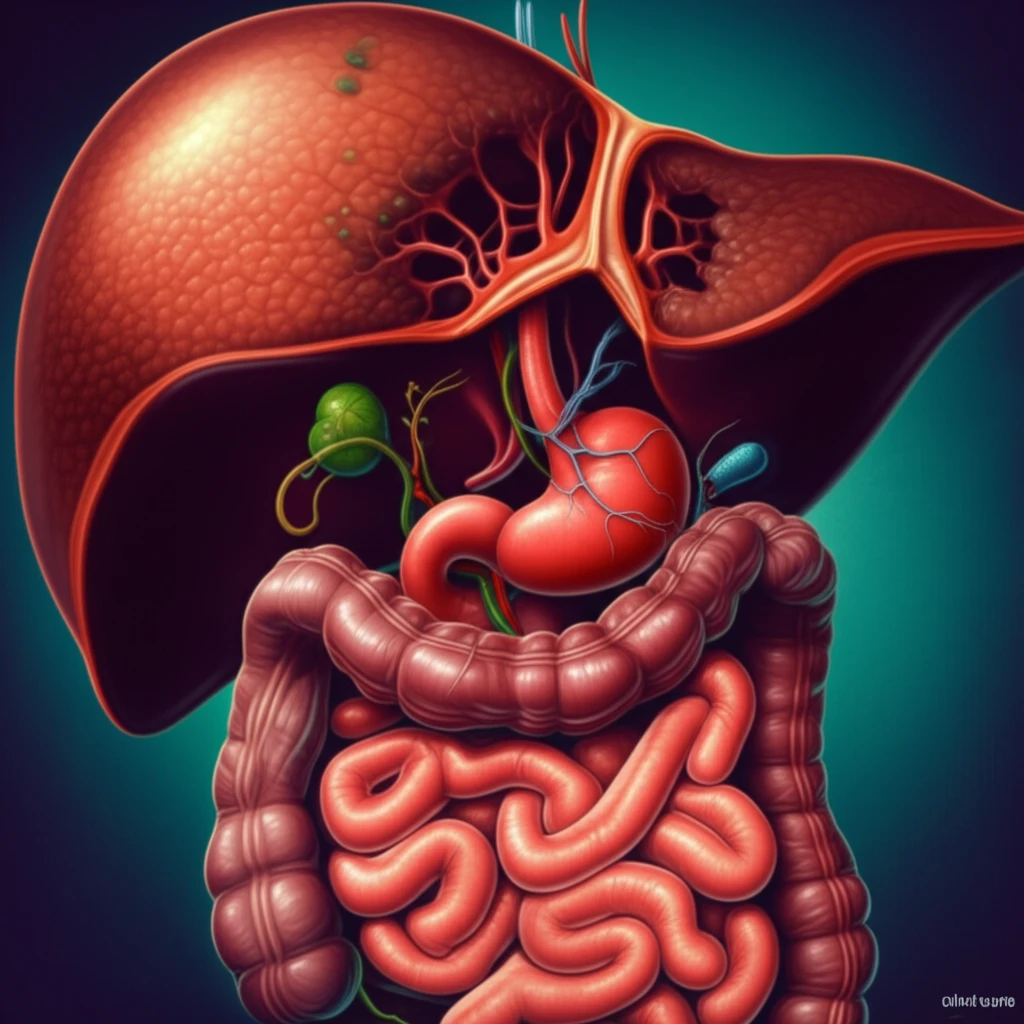
Illustration of a diaphragmatic hernia after liver cancer treatment.

Diaphragmatic Hernia After Liver Cancer Treatment: What You Need to Know

"A rare complication of radiofrequency ablation, diaphragmatic hernias can develop months after treatment for hepatocellular carcinoma. Understanding the risks and management is key."


Radiofrequency ablation (RFA) has become a popular treatment for hepatocellular carcinoma (HCC) due to its safety and effectiveness in eradicating tumor cells. RFA involves using heat to destroy cancerous tissue. While generally considered safe and minimally invasive, RFA can sometimes lead to serious complications.

One such rare complication is diaphragmatic hernia, where abdominal organs protrude through an opening in the diaphragm. This condition can occur months after the RFA procedure, making it crucial for patients and healthcare providers to be aware of the potential risks and symptoms.

This article explores a case of diaphragmatic hernia that developed after RFA treatment for HCC. It provides insights into the possible causes, symptoms, diagnosis, and management of this unusual complication.

Understanding Diaphragmatic Hernia After RFA

Illustration of a diaphragmatic hernia after liver cancer treatment.

A diaphragmatic hernia occurs when there's a defect in the diaphragm, the muscle separating the chest and abdominal cavities. This allows abdominal organs, such as the intestines or stomach, to push through into the chest cavity. While some diaphragmatic hernias are congenital (present at birth), others can be acquired due to trauma or medical procedures.

In the context of RFA for HCC, the development of a diaphragmatic hernia is a rare but recognized complication. The exact mechanism isn't fully understood, but it's believed that thermal injury to the diaphragm during the RFA procedure may weaken the muscle, predisposing it to herniation over time.

  • Thermal Damage: The heat from RFA can directly injure the diaphragm, weakening its structure.
  • Inflammatory Response: The body's inflammatory response to the thermal injury may further contribute to tissue damage and weakening.
  • Compromised Healing: Conditions like diabetes mellitus or poor liver function might impair the healing process in the injured diaphragm, increasing the risk of hernia formation.
The case study highlighted in the original research involved a 61-year-old man with alcoholic liver cirrhosis who developed a diaphragmatic hernia nine months after undergoing RFA for HCC. The patient initially had no symptoms, but follow-up imaging revealed the diaphragmatic defect and herniation of abdominal contents into the chest.

Key Takeaways & Considerations

While diaphragmatic hernia after RFA for HCC is rare, it's essential for patients and healthcare providers to be aware of this potential complication. Early detection and appropriate management can help prevent serious consequences.

If you've undergone RFA for HCC, be vigilant for any new or worsening symptoms such as chest pain, shortness of breath, or abdominal discomfort. Regular follow-up imaging can also help detect diaphragmatic defects early on.

If you're a candidate for RFA for HCC, discuss the potential risks and benefits with your healthcare provider. Techniques like artificial pleural effusion or ascites, and carbon dioxide insufflation may help to minimize thermal injury to the diaphragm during the procedure. In summary, while RFA is a valuable tool in treating liver cancer, being informed about potential complications empowers patients and providers to make the best decisions for their care.

About this Article -

This article was crafted using a human-AI hybrid and collaborative approach. AI assisted our team with initial drafting, research insights, identifying key questions, and image generation. Our human editors guided topic selection, defined the angle, structured the content, ensured factual accuracy and relevance, refined the tone, and conducted thorough editing to deliver helpful, high-quality information.See our About page for more information.

This article is based on research published under:

DOI-LINK: 10.4166/kjg.2013.62.3.174, Alternate LINK

Title: A Case Of Diaphragmatic Hernia Induced By Radiofrequency Ablation For Hepatocellular Carcinoma

Subject: General Medicine

Journal: The Korean Journal of Gastroenterology

Publisher: The Korean Society of Gastroenterology

Authors: Jong Sun Kim, Hyoung Sang Kim, Dae Sung Myung, Gi Hoon Lee, Kang Jin Park, Sung Bum Cho, Young Eun Joo, Sung Kyu Choi

Published: 2013-01-01

Everything You Need To Know

1

What is a diaphragmatic hernia?

A diaphragmatic hernia is a condition where abdominal organs, like the intestines or stomach, protrude through an opening in the diaphragm. In the context of Radiofrequency Ablation (RFA) for Hepatocellular Carcinoma (HCC), it's a rare complication. The diaphragm, which separates the chest and abdominal cavities, can be weakened, allowing organs to push through.

2

What is the role of Radiofrequency Ablation (RFA) in this context?

Radiofrequency Ablation (RFA) is a treatment that uses heat to destroy cancerous tissue. It's frequently used for Hepatocellular Carcinoma (HCC) because it's generally safe and minimally invasive. However, the heat used in RFA can sometimes damage the diaphragm, potentially leading to a diaphragmatic hernia.

3

What are the possible causes of a diaphragmatic hernia after RFA?

While the exact cause isn't fully understood, several factors are believed to contribute. Thermal injury to the diaphragm from Radiofrequency Ablation (RFA) may weaken the muscle. The body's inflammatory response to the injury can cause more tissue damage. Conditions like diabetes mellitus or poor liver function might impair the healing process in the injured diaphragm, increasing the risk of hernia formation.

4

What are the symptoms of a diaphragmatic hernia?

Symptoms can vary, and in some cases, there may be no symptoms initially. Imaging, such as follow-up scans, may reveal a diaphragmatic defect and the herniation of abdominal contents. If symptoms are present, they could include difficulty breathing or other issues related to the compression of organs in the chest cavity.

5

Why is it important to know about diaphragmatic hernia after RFA for Hepatocellular Carcinoma (HCC)?

Awareness of the possibility of a diaphragmatic hernia after Radiofrequency Ablation (RFA) for Hepatocellular Carcinoma (HCC) is essential. Early detection and suitable management, which might involve surgical repair, are crucial to prevent further complications. Regular follow-up and communication between patients and healthcare providers are vital for prompt intervention if a hernia is suspected.

Newsletter Subscribe

Subscribe to get the latest articles and insights directly in your inbox.