
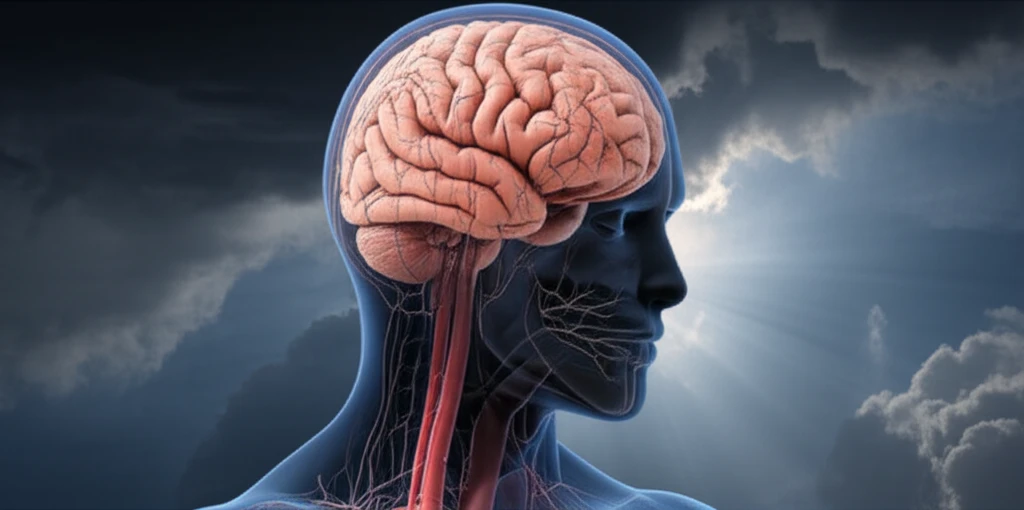
Brain and heart intertwined, with clouds representing depression, and a ray of light.

Dementia Risk: Is Depression the Missing Piece in the Cardiovascular Puzzle?

"New research highlights the critical role of mental health in understanding and preventing cognitive decline."


For years, cardiovascular health has been strongly linked to cognitive function, with positive heart health measures correlating to a lower risk of dementia and cognitive decline. Recent studies emphasize this connection, but a critical question remains: are we overlooking the significant role of mental health, specifically depression, in this equation?

A recent population-based cohort study highlighted the importance of cardiovascular health in reducing dementia risk. However, the study's limitation lies in its failure to fully account for the influence of depression and antidepressant treatment on cognitive outcomes. This oversight may significantly skew our understanding of dementia risk factors.

Depression is a well-established independent risk factor for not only all-cause and cardiac-related morbidity and mortality in patients with acute coronary syndromes but also stroke. Furthermore, it is increasingly recognized as a significant risk factor for dementia itself. Studies suggest that approximately 10% of Alzheimer's cases can be attributed to depression, a figure comparable to smoking and exceeding that of diabetes, midlife hypertension, or obesity.

The Neurobiological Link: How Depression Impacts Dementia Risk

Brain and heart intertwined, with clouds representing depression, and a ray of light.

Why is depression so critical? The answer lies in its impact on the brain. Antidepressant drugs have been shown to activate and regulate intracellular neurotrophic and neuroprotective processes, promoting neurogenesis and safeguarding against neurodegenerative diseases, including dementia and ischemia.

One key mechanism involves glycogen synthase kinase 3 (GSK3). Increased GSK3 activity is associated with tau hyperphosphorylation and alterations in amyloid-β processing, both hallmarks of dementia. Antidepressants, by inhibiting GSK3 activity and boosting brain-derived neurotrophic factor (BDNF), may offer protection against dementia development. BDNF is crucial for learning and memory.

  • Cardiovascular Factors: Depression, midlife hypertension, midlife obesity, diabetes, smoking, physical inactivity, and low educational attainment—are all recognized risk factors for dementia. It’s important to note these factors often coexist and influence each other.
  • Study Insights: Approximately 20% of participants in the Three-City Study had a history of treated depression, but data on depression occurrence and antidepressant treatment during follow-up were missing. This gap limits our understanding of how these factors evolve and impact dementia risk over time.
Considering the strong potential of depression and antidepressant treatment to modify the neurobiological risk of dementia, a comprehensive approach is needed. Mental health should be carefully considered alongside cardiovascular risk factors when assessing and addressing dementia prevention strategies.

A Holistic Approach: Integrating Mental and Cardiovascular Health

The authors of the original study acknowledge the importance of depression as a comorbidity in both cardiovascular diseases and dementia. They highlight that depressive symptoms are prevalent in older adults and may act as both a risk factor and a prodrome of dementia.

Their analyses confirmed the strong relationships between depressive symptoms and decreased levels of cardiovascular health, as well as increased dementia risk. However, they found no evidence that depressive symptomatology or antidepressant use confounded or modified the relationship between cardiovascular health and dementia risk in their study. This suggests that while depression is undoubtedly a factor, it may operate independently or through mechanisms not fully captured in their analysis.

While the study may have been underpowered to detect subtle interactions, the strength of the associations between depression and both poorer cardiovascular health and dementia underscores the need for a more holistic approach. Strategies to detect and treat psychosocial risk factors, in addition to addressing cardiovascular health, are essential for effective dementia prevention. Future research should focus on unraveling the complex interplay between mental health, cardiovascular health, and cognitive decline to develop more targeted and effective interventions.

About this Article -

This article was crafted using a human-AI hybrid and collaborative approach. AI assisted our team with initial drafting, research insights, identifying key questions, and image generation. Our human editors guided topic selection, defined the angle, structured the content, ensured factual accuracy and relevance, refined the tone, and conducted thorough editing to deliver helpful, high-quality information.See our About page for more information.

Everything You Need To Know

1

How does depression impact the risk of developing dementia?

Depression is a recognized independent risk factor for both all-cause and cardiac-related morbidity and mortality, even in patients with acute coronary syndromes. Furthermore, it is increasingly recognized as a significant risk factor for dementia. Studies suggest that approximately 10% of Alzheimer's cases can be attributed to depression. This means that depression has a notable impact on the likelihood of developing dementia.

2

How do antidepressants potentially offer protection against dementia?

The link between depression and dementia lies in its impact on the brain. Antidepressant drugs have been shown to activate and regulate intracellular neurotrophic and neuroprotective processes, which promote neurogenesis and safeguard against neurodegenerative diseases. One key mechanism involves glycogen synthase kinase 3 (GSK3). Increased GSK3 activity is associated with tau hyperphosphorylation and alterations in amyloid-β processing, both hallmarks of dementia. Antidepressants, by inhibiting GSK3 activity and boosting brain-derived neurotrophic factor (BDNF), may offer protection against dementia development. BDNF is crucial for learning and memory.

3

What is the relationship between cardiovascular health and the risk of dementia?

Cardiovascular health has long been linked to cognitive function, with positive heart health measures correlating to a lower risk of dementia and cognitive decline. A recent study emphasizes this connection. However, the study's limitation is that it fails to fully account for the influence of depression and antidepressant treatment on cognitive outcomes. This oversight may significantly skew our understanding of dementia risk factors. A holistic approach should carefully consider mental health alongside cardiovascular risk factors when assessing and addressing dementia prevention strategies.

4

Why is it important to consider mental health in dementia prevention?

A comprehensive approach is needed to address and assess dementia prevention strategies. Mental health should be carefully considered alongside cardiovascular risk factors. Depressive symptoms are prevalent in older adults and may act as both a risk factor and a prodrome of dementia. The authors of the original study acknowledge the importance of depression as a comorbidity in both cardiovascular diseases and dementia.

5

What are the other recognized risk factors for dementia, and how do they interact?

Factors such as depression, midlife hypertension, midlife obesity, diabetes, smoking, physical inactivity, and low educational attainment are all recognized risk factors for dementia. It’s important to note these factors often coexist and influence each other. The study highlighted approximately 20% of participants in the Three-City Study had a history of treated depression. However, data on depression occurrence and antidepressant treatment during follow-up were missing, limiting our understanding of how these factors evolve and impact dementia risk over time.

Newsletter Subscribe

Subscribe to get the latest articles and insights directly in your inbox.