
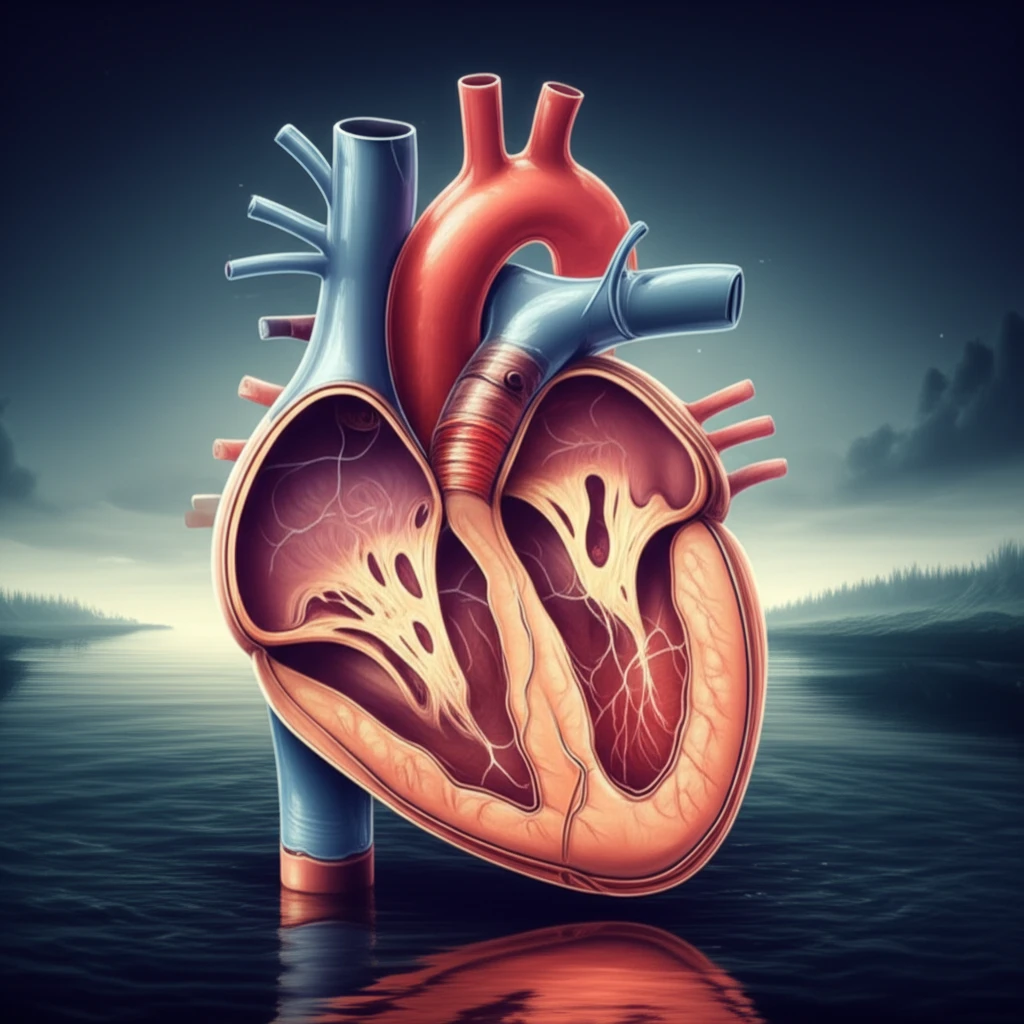
Decoding Your Heart's Rhythm: Understanding Dyssynchrony and Its Impact on Heart Health

"New research sheds light on how subtle variations in heart rhythm, known as dyssynchrony, can predict and influence the course of heart disease, offering hope for early intervention and improved outcomes."
In the complex symphony of the human body, the heart plays the most vital role, beating tirelessly to sustain life. But what happens when this intricate rhythm goes slightly off-key? Recent advancements in medical research have begun to unravel the significance of subtle variations in heart rhythm, a phenomenon known as cardiac dyssynchrony, and its profound implications for heart health. This is particularly relevant for those with conditions like dilated cardiomyopathy (DCM), where the heart's ability to pump efficiently is compromised.
For many, heart health can feel like a vast, uncharted territory. With so much information available, it can be difficult to discern what truly matters. This article aims to simplify the often-complex world of cardiac science, providing a clear, accessible understanding of dyssynchrony. We'll unpack the latest research, offering a roadmap to understanding how these rhythms impact heart health and what steps you can take to support a healthy heart.
This research provides an opportunity to transform how we approach heart health. By understanding the nuances of cardiac rhythm, we can gain a deeper appreciation for the heart and empower ourselves to make informed decisions about our health. This article will not only explore the science behind dyssynchrony but also offer practical insights, equipping you with the knowledge to navigate the journey toward optimal heart health.
Unpacking Dyssynchrony: What It Is and Why It Matters
Cardiac dyssynchrony refers to a lack of coordination in the heart's contractions. Think of it as an orchestra where the instruments aren't playing in time. In a healthy heart, the chambers contract in a synchronized manner, efficiently pumping blood throughout the body. However, when dyssynchrony is present, these contractions become uncoordinated, reducing the heart's efficiency and potentially leading to heart failure. Systolic dyssynchrony affects the heart's ability to contract, while diastolic dyssynchrony impacts its ability to relax and fill with blood.
- Systolic Dyssynchrony: Affects the heart's ability to contract effectively, impacting its pumping action.
- Diastolic Dyssynchrony: Hinders the heart's ability to relax and fill with blood, reducing its efficiency.
- Dilated Cardiomyopathy (DCM): A condition where the heart becomes enlarged and struggles to pump blood effectively, often exacerbated by dyssynchrony.
Taking Control of Your Heart Health
The exploration of cardiac dyssynchrony offers valuable insights into heart health and the potential for early intervention. By understanding the significance of cardiac rhythm and recognizing the potential impacts of dyssynchrony, individuals can proactively manage their heart health. Continued research and awareness efforts are crucial in improving heart health outcomes and enhancing overall well-being. It's a journey toward a healthier, more informed approach to heart health, empowering individuals to take charge of their cardiovascular well-being.