
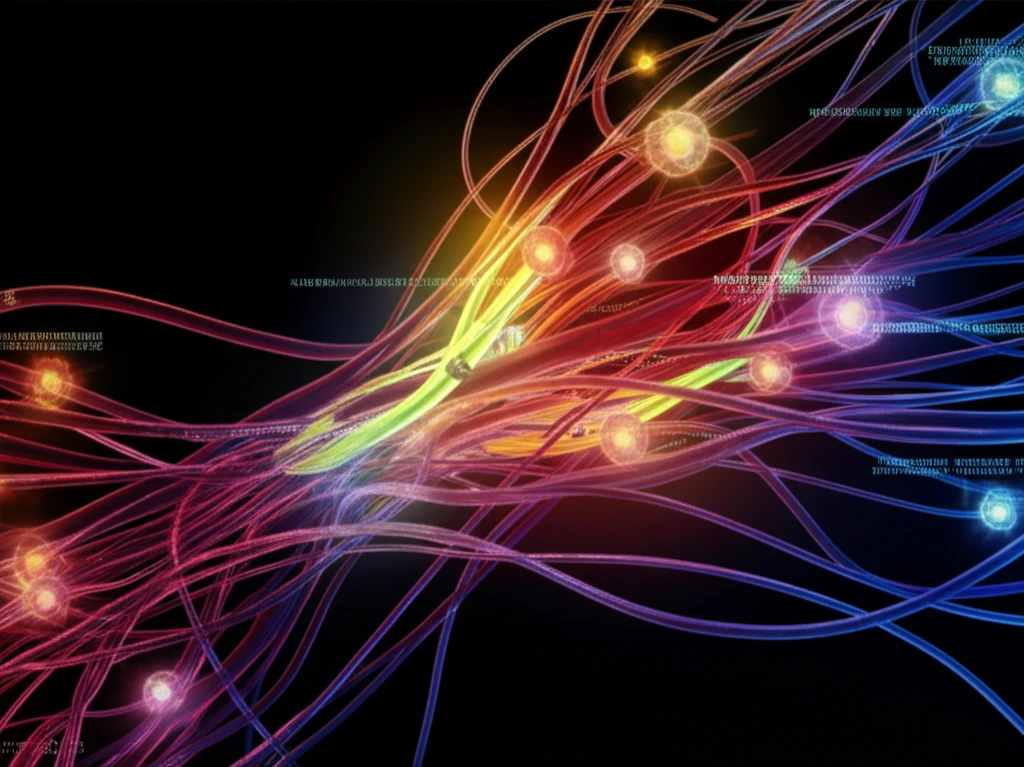
Illustration of blood vessels with glowing endothelial cells, symbolizing the complex processing and communication within the vascular system.

Decoding Your Body's Signals: How Tiny Cells in Your Blood Vessels Are Smarter Than You Think

"Groundbreaking research reveals how blood vessels process multiple signals simultaneously, offering insights into cardiovascular health."


Our bodies are marvels of complex biological systems, constantly adapting to internal and external cues. At the heart of this intricate dance are our blood vessels, the highways of our circulatory system. But what if we told you that the cells lining these vessels, called endothelial cells, are far more intelligent than previously imagined? Recent scientific breakthroughs have unveiled the remarkable ability of these cells to process multiple signals simultaneously, much like a sophisticated computer network.

This groundbreaking research, published in the journal Science Signaling, sheds light on how endothelial cells decode the complex chemical environment within our blood vessels. By studying the responses of these cells to various stimuli, scientists have discovered a fascinating mechanism of parallel processing, where different cell clusters handle different signals, enabling the body to make rapid, informed decisions. This intricate system plays a crucial role in regulating blood flow, blood clotting, and overall cardiovascular health.

In this article, we'll delve into the intricacies of this remarkable discovery, exploring the key findings, the innovative techniques used, and the potential implications for understanding and treating cardiovascular diseases. Prepare to be amazed by the intelligence hidden within your own blood vessels!

The Endothelial Cell: A Sensory Network

Illustration of blood vessels with glowing endothelial cells, symbolizing the complex processing and communication within the vascular system.

The vascular endothelium, a single-cell layer that coats the inner surface of blood vessels, acts as the primary sensory interface for the cardiovascular system. This network, comprising an estimated 10 trillion cells, constantly monitors the chemical environment, responding to a wide array of signals including hormones, neurotransmitters, and even infectious agents. It's a complex and noisy environment, yet the endothelium must accurately interpret these signals to maintain proper physiological function.

Traditionally, scientists viewed endothelial cells as a homogenous population, reacting uniformly to external stimuli. However, this new research paints a different picture. The study found that endothelial cells are organized into spatially distinct clusters, each specialized in processing specific types of signals. This heterogeneity allows for parallel processing, where different cell groups handle different aspects of the chemical environment concurrently.

  • Heterogeneity: Endothelial cells are not uniform. They exhibit specialized sensitivities to different stimuli.
  • Clustering: Cells with similar sensitivities tend to cluster together, forming functional units.
  • Parallel Processing: Different cell clusters process different types of signals concurrently.
  • Signal Integration: The cells communicate and combine inputs to generate new signals.
This intricate network allows the endothelium to perform sophisticated computations, like a miniature brain within your blood vessels. This is particularly important in managing the constant barrage of information that our blood vessels encounter and how they react to it.

A New Era in Cardiovascular Research

This groundbreaking research opens up exciting new avenues for understanding and treating cardiovascular diseases. By recognizing the sophisticated sensory capabilities of the endothelium, scientists can now explore how to target specific cell clusters to improve vascular function. This research underscores the complexity and elegance of the human body, revealing that even at the cellular level, there's a level of intelligence at work. As we delve deeper into the intricacies of endothelial cell signaling, we move closer to developing innovative strategies for maintaining a healthy heart and a thriving circulatory system. The future is bright for cardiovascular research and for a deeper understanding of our bodies. The study provides a new framework for future research in vascular biology, potentially leading to new diagnostics and treatments for a variety of cardiovascular diseases.

About this Article -

This article was crafted using a human-AI hybrid and collaborative approach. AI assisted our team with initial drafting, research insights, identifying key questions, and image generation. Our human editors guided topic selection, defined the angle, structured the content, ensured factual accuracy and relevance, refined the tone, and conducted thorough editing to deliver helpful, high-quality information.See our About page for more information.

This article is based on research published under:

DOI-LINK: 10.1126/scisignal.aar4411, Alternate LINK

Title: Spatially Structured Cell Populations Process Multiple Sensory Signals In Parallel In Intact Vascular Endothelium

Subject: Cell Biology

Journal: Science Signaling

Publisher: American Association for the Advancement of Science (AAAS)

Authors: Matthew D. Lee, Calum Wilson, Christopher D. Saunter, Charles Kennedy, John M. Girkin, John G. Mccarron

Published: 2018-12-18

Everything You Need To Know

1

What are endothelial cells and why are they important for cardiovascular health?

Endothelial cells are the cells that line the inner surface of blood vessels, forming the vascular endothelium. They act as a sensory network, constantly monitoring the chemical environment within our blood vessels. They're crucial for cardiovascular health because they regulate blood flow, blood clotting, and overall vascular function, responding to hormones, neurotransmitters, and even infectious agents to maintain proper physiological function. Dysfunction of endothelial cells is implicated in the development of various cardiovascular diseases.

2

How has the understanding of endothelial cell function changed with recent research?

Traditionally, endothelial cells were viewed as a homogenous population reacting uniformly to stimuli. However, recent research has revealed that endothelial cells are organized into spatially distinct clusters, each specialized in processing specific types of signals. This heterogeneity allows for parallel processing, where different cell groups handle different aspects of the chemical environment concurrently, enabling the body to make rapid, informed decisions. This understanding has opened new avenues for targeting specific cell clusters to improve vascular function.

3

What is meant by 'parallel processing' in the context of endothelial cells, and why is it significant?

Parallel processing, in the context of endothelial cells, refers to the ability of different clusters of these cells to process different types of signals simultaneously. This is significant because it allows the vascular endothelium to efficiently manage the constant barrage of information it encounters and react to it more effectively. Instead of processing signals one at a time, different cell groups handle different aspects of the chemical environment concurrently, enabling rapid and coordinated responses to maintain cardiovascular health.

4

How does the discovery of endothelial cell heterogeneity and parallel processing impact the future of cardiovascular disease treatment?

The discovery of endothelial cell heterogeneity and parallel processing opens up new avenues for targeted therapies in cardiovascular disease treatment. By understanding that endothelial cells are not uniform but instead form specialized clusters, scientists can now explore how to target specific cell clusters to improve vascular function. This could lead to the development of innovative diagnostics and treatments that address specific aspects of vascular dysfunction, moving away from a one-size-fits-all approach. For example, future treatments may focus on enhancing the function of specific endothelial cell clusters involved in regulating blood clotting or reducing inflammation in specific areas of the vasculature. However, the research does not cover specific treatment options, and further research is needed.

5

What are the key components of the endothelial cell's sensory network, and how do they contribute to its function?

The key components of the endothelial cell's sensory network include heterogeneity, clustering, parallel processing, and signal integration. Heterogeneity refers to the fact that endothelial cells are not uniform; they exhibit specialized sensitivities to different stimuli. Cells with similar sensitivities tend to cluster together, forming functional units. This clustering enables parallel processing, where different cell clusters process different types of signals concurrently. Finally, signal integration allows the cells to communicate and combine inputs to generate new signals, allowing the endothelium to perform sophisticated computations, like a miniature brain within blood vessels.

Newsletter Subscribe

Subscribe to get the latest articles and insights directly in your inbox.