
Decoding Your Body's Secret Language: A Deep Dive into Glycans and Health

"Unlocking the Power of Sugars: How Analyzing Glycans Could Revolutionize Healthcare and Personalized Medicine"
Ever wonder what your body is really saying? Beyond the familiar signals of pain, fatigue, or even a glowing complexion, there's a hidden conversation happening at a molecular level. This secret language is spoken by glycans – complex sugar molecules that coat the surface of your cells, acting like tiny flags and messengers. They play a critical role in everything from immune function to disease development, and scientists are just beginning to understand their immense potential.
Imagine a world where doctors could diagnose diseases with unprecedented accuracy, personalize treatments to your unique biology, and even predict your risk of future health problems. This isn't science fiction; it's the promise of glycobiology, the study of glycans. By analyzing these sugar structures, researchers are unlocking a wealth of information about our health, paving the way for groundbreaking advancements in healthcare.
This article will take you on a journey into the world of glycans, exploring their structure, function, and the exciting ways they're being used to revolutionize medicine. We'll delve into the latest research, demystify complex scientific concepts, and reveal how understanding your body's sugar code could be the key to a healthier, longer life.
What are Glycans, and Why Should You Care?
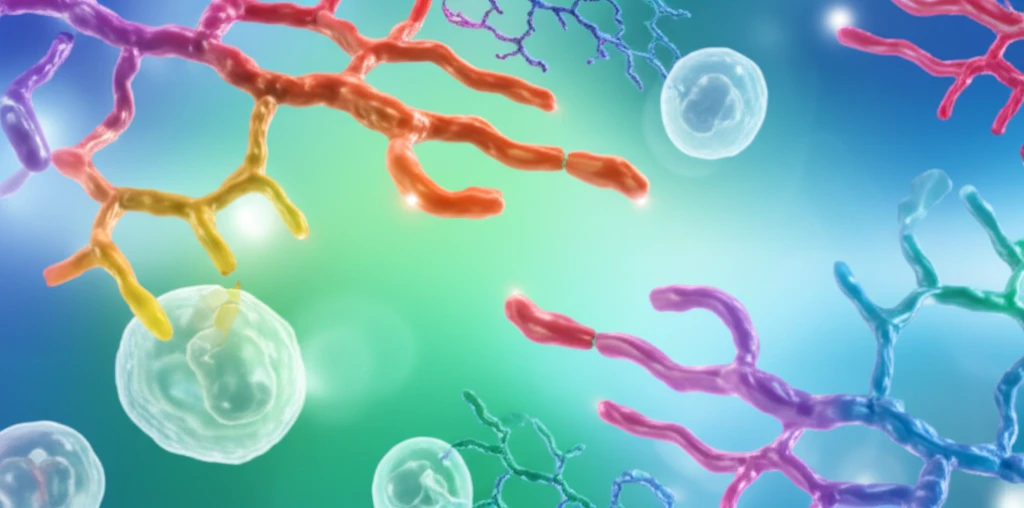
Think of glycans as intricate, branching structures made up of sugar molecules. They're found on the surface of every cell in your body and are vital for cell-to-cell communication. These sugar chains are unique to each person, and are constantly changing in response to both internal and external factors. These factors include your genetics, age, diet, lifestyle, and even the environment around you.
- Cellular recognition: Glycans act like ID tags, helping cells identify and interact with each other.
- Immune response: Glycans are crucial for the immune system to recognize and respond to pathogens.
- Inflammation: Glycans play a role in regulating inflammation, a key factor in many chronic diseases.
- Protein function: Glycans can modify proteins, influencing their activity and stability.
- Disease development: Changes in glycan structures are often associated with diseases like cancer, autoimmune disorders, and infectious diseases.
The Future is Sweet: Embracing Glycan Analysis for a Healthier Tomorrow
The field of glycobiology is still in its early stages, but the potential for breakthroughs is enormous. As scientists continue to unravel the complexities of glycans, we can expect to see even more innovative applications in healthcare. From earlier and more accurate diagnoses to personalized treatments and preventative strategies, the sweet language of glycans is poised to revolutionize how we understand and care for our health. So, the next time you think about your health, remember the incredible power hidden within your body's secret sugar code.