
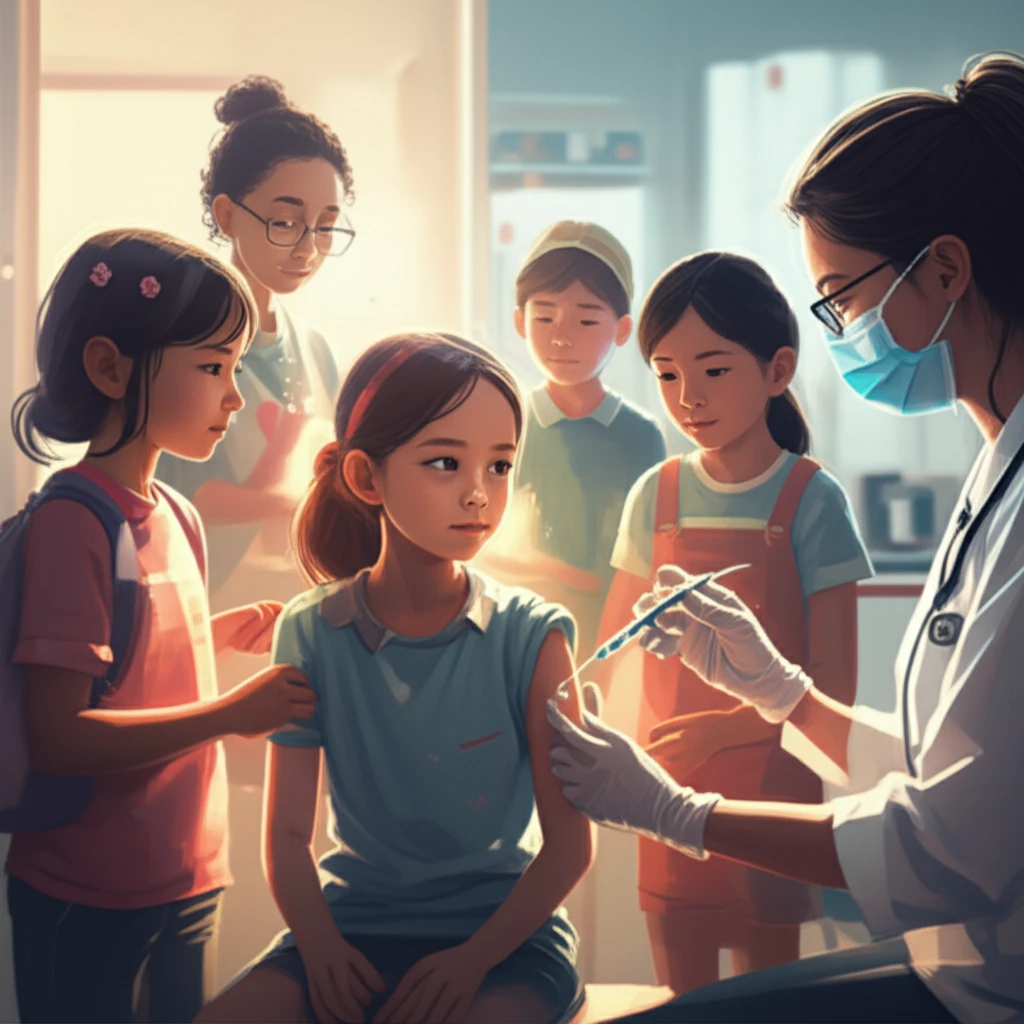
Decoding Vaccine Immunity: How HIV Exposure Impacts Your Child's Protection

"Exploring the Impact of HIV on Vaccine Effectiveness in Children: A Guide for Parents and Caregivers"
Vaccines are a cornerstone of modern healthcare, shielding us from a multitude of infectious diseases. However, the effectiveness of these life-saving interventions can be influenced by various factors, including an individual's immune status. For children, especially those exposed to or infected with HIV, understanding how their immune systems respond to vaccines is crucial for safeguarding their health.
HIV, or Human Immunodeficiency Virus, compromises the immune system, making individuals more susceptible to infections. This vulnerability necessitates a closer look at how HIV impacts the development of immunity following vaccination. This article will explore the intricacies of vaccine responses in children, highlighting the importance of tailored approaches to immunization for those affected by HIV.
This comprehensive guide offers a detailed analysis of the latest research, providing parents and caregivers with the knowledge they need to make informed decisions about their children's health. We will discuss the specific vaccines affected, the science behind immune responses, and the strategies that healthcare providers employ to ensure maximum protection. Our goal is to empower you with the information to advocate for your child's well-being.
Understanding the Immune Response to Vaccines: A Foundation for Protection
Before we delve into the specific impacts of HIV, let's establish a fundamental understanding of how vaccines work. Vaccines introduce a weakened or inactive form of a pathogen (like a virus or bacterium) into the body. This triggers the immune system to recognize the threat and produce antibodies, specialized proteins that target and neutralize the invader. These antibodies, along with memory cells, create a 'memory' of the pathogen, enabling the body to swiftly respond and eliminate it upon future encounters.
- Antibodies: Proteins that bind to and neutralize pathogens.
- Memory Cells: Specialized immune cells that "remember" a specific pathogen.
- CD4+ T cells: Key immune cells that orchestrate the immune response.
- Immunological Memory: The ability of the immune system to respond rapidly to a previously encountered pathogen.
Empowering Parents: The Path to Protecting Your Child's Health
Understanding the impact of HIV on vaccine responses is essential for ensuring that all children, regardless of their exposure status, receive the best possible protection. By working closely with healthcare providers and staying informed about the latest research, parents and caregivers can make informed decisions and advocate for the health of their children. This article provides you with the knowledge you need to navigate the complexities of vaccine immunity, ensuring a healthier future for your child.