
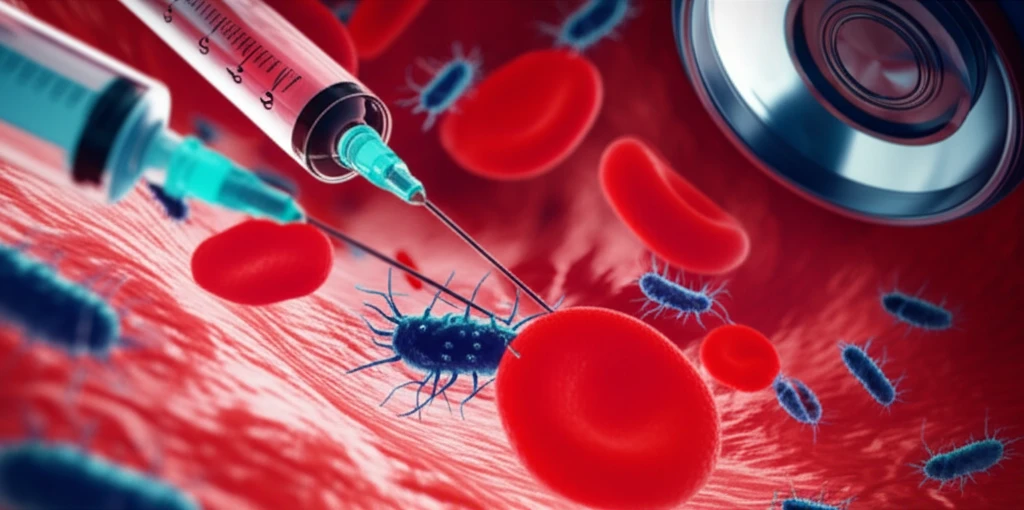
Microscopic illustration depicting blood cells and bacteria, symbolizing rickettsial disease diagnosis.

Decoding the Silent Threats: Understanding and Tackling Rickettsial Diseases

"From Fever to Diagnosis: A Guide to Recognizing, Diagnosing, and Treating Rickettsial Infections"


In the realm of infectious diseases, some threats often lurk in the shadows, causing significant harm while remaining largely unnoticed. Rickettsial diseases, a group of bacterial infections transmitted through vectors like ticks and mites, are prime examples. These illnesses, including scrub typhus, murine typhus, and spotted fever group rickettsioses, pose a substantial global health challenge, particularly in tropical and subtropical regions.

These diseases are often misdiagnosed as more familiar conditions like malaria, dengue, or typhoid, leading to delayed treatment and potentially severe outcomes. Early and accurate diagnosis is critical for effective treatment and preventing complications. This article aims to shed light on these often-overlooked infections, providing a comprehensive overview of their causes, symptoms, diagnostic approaches, and the latest advancements in treatment.

We'll delve into the complexities of diagnosing these diseases, focusing on the use of blood specimens, and explore how recent innovations are transforming the landscape of rickettsial disease management. This will empower readers with knowledge to understand the importance of early detection and effective treatment strategies for these significant health threats.

Unmasking Rickettsial Diseases: What You Need to Know

Microscopic illustration depicting blood cells and bacteria, symbolizing rickettsial disease diagnosis.

Rickettsial diseases are caused by bacteria belonging to the genus Rickettsia and are transmitted to humans through the bites of infected arthropods. These vectors vary depending on the specific disease; ticks transmit spotted fever group rickettsioses, mites transmit scrub typhus, and fleas transmit murine typhus. These infections affect the small blood vessels (vasculature), causing a range of symptoms that can vary in severity.

The symptoms of rickettsial diseases often overlap with those of other common infections, making them challenging to diagnose based on clinical presentation alone. Common symptoms include fever, headache, muscle aches, and rash. In some cases, the rash may not be present or may appear late in the course of the illness. Other symptoms can include gastrointestinal issues, neurological symptoms, and, in severe cases, organ failure. The incubation period (the time between being bitten and the onset of symptoms) typically ranges from 1 to 2 weeks.

  • Scrub Typhus: Caused by the bacteria Orientia tsutsugamushi, transmitted by mites, and common in Asia, Australia, and the Pacific.
  • Spotted Fever Group Rickettsioses: Caused by various Rickettsia species, transmitted by ticks, and found worldwide. Includes Rocky Mountain spotted fever.
  • Murine Typhus: Caused by Rickettsia typhi, transmitted by fleas, and found globally, particularly in areas with rodents.
Accurate diagnosis is essential because, if left untreated, rickettsial diseases can lead to serious complications, including pneumonia, encephalitis, kidney failure, and even death. The treatment of these diseases typically involves antibiotics, such as doxycycline. Early treatment is crucial for a successful outcome.

Taking Action: Protecting Yourself and Others

Rickettsial diseases represent a significant public health concern, particularly in regions where they are endemic. By raising awareness, promoting early diagnosis, and ensuring access to effective treatments, we can mitigate the impact of these often-overlooked infections. Regular check-ups and consulting with a healthcare provider if you experience relevant symptoms are vital steps in safeguarding your health. Working together, we can work towards a healthier and safer future.

About this Article -

This article was crafted using a human-AI hybrid and collaborative approach. AI assisted our team with initial drafting, research insights, identifying key questions, and image generation. Our human editors guided topic selection, defined the angle, structured the content, ensured factual accuracy and relevance, refined the tone, and conducted thorough editing to deliver helpful, high-quality information.See our About page for more information.

This article is based on research published under:

DOI-LINK: 10.1097/qco.0000000000000298, Alternate LINK

Title: State Of The Art Of Diagnosis Of Rickettsial Diseases

Subject: Infectious Diseases

Journal: Current Opinion in Infectious Diseases

Publisher: Ovid Technologies (Wolters Kluwer Health)

Authors: Daniel H. Paris, J. Stephen Dumler

Published: 2016-10-01

Everything You Need To Know

1

What are rickettsial diseases, and why are they often overlooked?

Rickettsial diseases are a group of bacterial infections caused by bacteria in the genus *Rickettsia*. They are transmitted to humans through vectors like ticks, mites, and fleas. They are often overlooked because their symptoms overlap with those of more common infections like malaria, dengue, and typhoid, leading to misdiagnosis and delayed treatment. Diseases include scrub typhus, murine typhus, and spotted fever group rickettsioses, posing a global health challenge, especially in tropical and subtropical regions. The impact of these diseases is significant due to potential severe outcomes if not promptly and accurately diagnosed.

2

What are the typical symptoms of rickettsial infections, and why is diagnosis challenging?

The common symptoms of rickettsial diseases include fever, headache, muscle aches, and rash. However, the presence and appearance of a rash can vary, and in some cases, it may be absent or appear late in the illness. Other symptoms can include gastrointestinal issues, neurological symptoms, and in severe cases, organ failure. The overlap of these symptoms with other common infections like malaria and typhoid makes clinical diagnosis challenging. Therefore, relying solely on symptoms can lead to misdiagnosis. The incubation period is also relevant, typically ranging from 1 to 2 weeks.

3

How are rickettsial diseases diagnosed, and what is the role of blood specimens?

While clinical symptoms can suggest a rickettsial infection, accurate diagnosis often requires laboratory testing, frequently involving blood specimens. These tests aim to identify the presence of *Rickettsia* bacteria or detect antibodies produced by the body in response to the infection. The specific diagnostic methods may vary depending on the suspected rickettsial disease and the available resources. Early and accurate diagnosis is vital because it informs timely and appropriate treatment, preventing potential severe complications.

4

What are the primary treatments for rickettsial diseases, and how crucial is early intervention?

The primary treatment for rickettsial diseases involves the use of antibiotics, with doxycycline being a common choice. Early treatment is absolutely crucial for a successful outcome. If left untreated, rickettsial diseases can lead to serious complications such as pneumonia, encephalitis, kidney failure, and even death. Prompt administration of appropriate antibiotics significantly improves the prognosis and reduces the risk of severe outcomes. This highlights the importance of early diagnosis and seeking medical attention as soon as rickettsial disease is suspected.

5

What are the implications of *Orientia tsutsugamushi*, *Rickettsia typhi*, and spotted fever group *Rickettsia* species infections, and where are they most commonly found?

*Orientia tsutsugamushi* causes scrub typhus, transmitted by mites, and is prevalent in Asia, Australia, and the Pacific. *Rickettsia typhi* causes murine typhus, transmitted by fleas, and is found globally, especially in rodent-infested areas. Spotted fever group *Rickettsia* species are transmitted by ticks and are found worldwide, including Rocky Mountain spotted fever. Understanding the geographical distribution and transmission vectors is crucial for implementing targeted prevention and control measures in endemic regions. Each disease can result in significant health risks if not promptly diagnosed and treated. They all have the potential for severe complications, which is why early diagnosis is key.

Newsletter Subscribe

Subscribe to get the latest articles and insights directly in your inbox.