
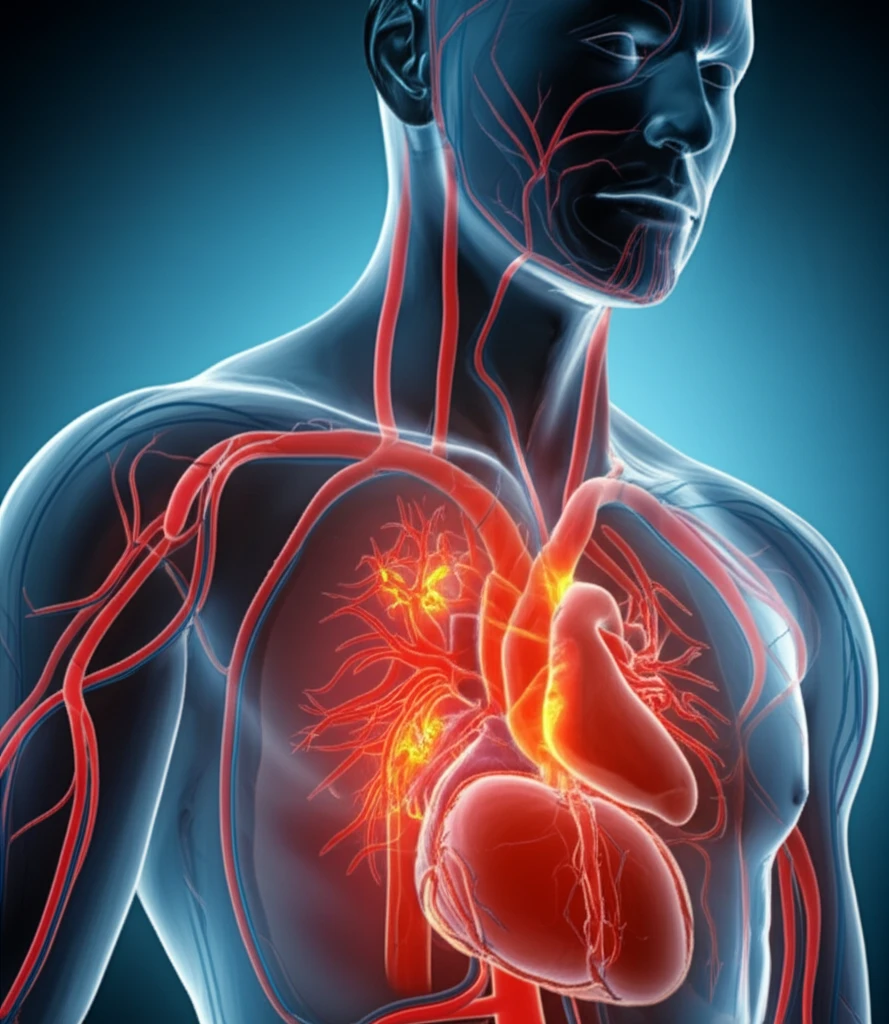
A surreal digital illustration representing the connection between vascular damage and inflammation in the human body.

Decoding the Silent Threat: How Vascular Damage and Inflammation Impact Your Health

"Unveiling the Connection Between Inflammation, Vascular Health, and Metabolic Syndrome: A Comprehensive Guide"


In the realm of health and wellness, understanding the interplay between various bodily systems is paramount. This article delves into the critical connection between vascular damage, inflammation, and metabolic syndrome. These intertwined elements play a significant role in overall health, often acting as silent threats to well-being.

Metabolic syndrome, characterized by a cluster of conditions such as high blood pressure, high blood sugar, unhealthy cholesterol levels, and excess abdominal fat, significantly elevates the risk of heart disease, stroke, and type 2 diabetes. The inflammation associated with this syndrome further exacerbates these risks by damaging blood vessels and accelerating the progression of atherosclerosis.

Our exploration will investigate how factors like serum uric acid (SUA) levels, interleukin-17 (IL-17), and other inflammatory markers influence vascular health. This knowledge empowers individuals to take proactive steps to manage their health and make informed choices about their lifestyle and wellness strategies.

Unraveling the Complexities: Vascular Damage, Inflammation, and Metabolic Syndrome

A surreal digital illustration representing the connection between vascular damage and inflammation in the human body.

Vascular damage often begins silently, with the gradual deterioration of blood vessels due to various factors such as high blood pressure, elevated cholesterol, and inflammation. This damage can manifest as a thickening of the arterial walls, leading to reduced blood flow and increased risk of cardiovascular events.

Inflammation, a natural immune response, becomes problematic when it becomes chronic. In the context of metabolic syndrome, chronic inflammation perpetuates vascular damage, contributing to the formation of plaques in the arteries and increasing the likelihood of a heart attack or stroke. The interplay between these factors creates a dangerous cycle.

  • High Serum Uric Acid (SUA) Levels: Elevated SUA levels have been linked to increased intima-media thickness (IMT), a marker of early vascular damage.
  • Interleukin-17 (IL-17): This inflammatory cytokine is associated with increased vascular damage in metabolic syndrome.
  • Oxidative Stress: Oxidative stress, often induced by inflammation, further damages blood vessels and promotes plaque formation.
Understanding the role of these elements provides the foundation for developing effective strategies to mitigate the risks associated with vascular damage and inflammation, ultimately improving health outcomes. This understanding empowers us to take control of our health and adopt a proactive approach to wellness.

Empowering Your Health: Taking Action

The insights provided in this article emphasize the importance of maintaining vascular health and managing inflammation. By incorporating healthy lifestyle choices such as regular exercise, a balanced diet rich in antioxidants, and stress management techniques, individuals can significantly reduce their risk of vascular damage and the complications associated with metabolic syndrome. Regular check-ups and open communication with healthcare providers are also crucial in monitoring and addressing any potential health concerns.

About this Article -

This article was crafted using a human-AI hybrid and collaborative approach. AI assisted our team with initial drafting, research insights, identifying key questions, and image generation. Our human editors guided topic selection, defined the angle, structured the content, ensured factual accuracy and relevance, refined the tone, and conducted thorough editing to deliver helpful, high-quality information.See our About page for more information.

Everything You Need To Know

1

How does metabolic syndrome affect my vascular health?

Metabolic syndrome, a cluster of conditions including high blood pressure, high blood sugar, unhealthy cholesterol levels, and excess abdominal fat, significantly elevates the risk of heart disease, stroke, and type 2 diabetes. The inflammation associated with metabolic syndrome exacerbates these risks by damaging blood vessels and accelerating the progression of atherosclerosis. This can lead to a dangerous cycle of vascular damage and increased cardiovascular risk. Factors like serum uric acid (SUA) levels and interleukin-17 (IL-17) play a role in this damage.

2

What role does inflammation play in vascular damage?

Inflammation, a natural immune response, becomes problematic when it becomes chronic. In the context of metabolic syndrome, chronic inflammation perpetuates vascular damage, contributing to the formation of plaques in the arteries and increasing the likelihood of a heart attack or stroke. Inflammatory markers like interleukin-17 (IL-17) are associated with increased vascular damage. Oxidative stress, often induced by inflammation, further damages blood vessels and promotes plaque formation, making the situation worse.

3

What are serum uric acid (SUA) levels, and how do they impact vascular health?

Serum uric acid (SUA) levels refer to the concentration of uric acid in the blood. Elevated SUA levels have been linked to increased intima-media thickness (IMT), a marker of early vascular damage. High SUA levels contribute to vascular damage, potentially increasing the risk of cardiovascular events. Monitoring and managing SUA levels can be an important step in maintaining vascular health and reducing overall risk.

4

What are some actionable steps I can take to improve my vascular health and reduce inflammation?

To improve vascular health and reduce inflammation, individuals can adopt healthy lifestyle choices such as regular exercise, a balanced diet rich in antioxidants, and stress management techniques. Regular check-ups and open communication with healthcare providers are also crucial in monitoring and addressing any potential health concerns. By taking these proactive steps, individuals can significantly reduce their risk of vascular damage and the complications associated with metabolic syndrome. However, the specifics of a balanced diet or stress management techniques need further investigation.

5

How is Interleukin-17 (IL-17) connected to vascular damage in metabolic syndrome, and what are the broader implications for my health?

Interleukin-17 (IL-17) is an inflammatory cytokine associated with increased vascular damage in metabolic syndrome. This means that elevated levels of IL-17 contribute to the deterioration of blood vessels, potentially accelerating the development of atherosclerosis and increasing the risk of cardiovascular events. The broader implications for your health are that managing inflammation, including the activity of cytokines like IL-17, is crucial for protecting your vascular system and preventing long-term complications related to metabolic syndrome. Understanding the role of IL-17 allows for more targeted approaches to managing inflammation and promoting vascular well-being, although further research and guidance from healthcare professionals are necessary to implement specific strategies.

Newsletter Subscribe

Subscribe to get the latest articles and insights directly in your inbox.