
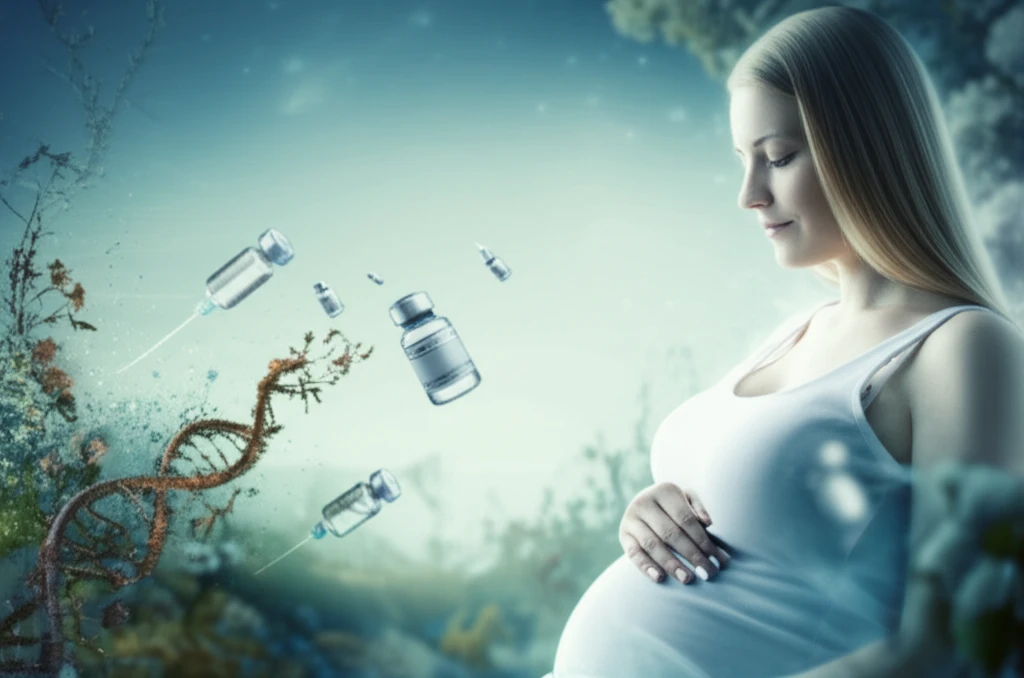
Illustration of a pregnant woman with a glowing aura, surrounded by images symbolizing maternal health research and the benefits of immunization.

Decoding the Mystery: How Maternal Health Research is Revolutionizing Pregnancy Outcomes

"Unveiling the Latest Advances in Immunization and Beyond for a Healthier Pregnancy Journey"


Pregnancy is a time of profound change, filled with joy, anticipation, and, for many, a mix of concerns. Ensuring the health and well-being of both the mother and the developing baby is of paramount importance. Recent advancements in maternal health research are providing unprecedented insights into how we can safeguard this delicate period. From innovative immunization strategies to a deeper understanding of the body's intricate processes during pregnancy, science is offering new hope and solutions.

This article delves into the core of these advancements, focusing on two key areas: maternal immunization and the development of outcome definitions for conditions like chorioamnionitis and postpartum endometritis. These research areas are crucial for improving maternal and infant health outcomes. We will explore how these advances are helping to redefine the standards of care, create more effective interventions, and provide a brighter future for families around the world.

The journey through pregnancy is a shared human experience, and the advances in research offer a reassuring message: We are continually learning and improving the ways we care for mothers and their babies. These advancements are not just scientific discoveries; they are stepping stones towards healthier pregnancies, safer deliveries, and a better start to life for every child.

The Power of Maternal Immunization: Shielding Mothers and Babies

Illustration of a pregnant woman with a glowing aura, surrounded by images symbolizing maternal health research and the benefits of immunization.

Maternal immunization is a cornerstone of preventive care during pregnancy. By vaccinating mothers, we can protect them from serious infections and, crucially, pass on protective antibodies to their babies. This early protection is essential for newborns who are particularly vulnerable to infections in their first months of life. The benefits extend beyond individual health; they contribute to broader public health goals, reducing the burden of disease and improving overall community well-being.

The Global Alignment of Immunization safety assessment in pregnancy (GAIA) project has played a key role in this field, creating clear definitions and methodologies to assess the safety and efficacy of vaccines in pregnancy. This work is vital for building trust in vaccines and ensuring that healthcare providers have the best information to guide their recommendations.

  • Influenza: Protecting against the flu is crucial. Pregnant women are at higher risk for severe complications from influenza. The vaccine can significantly reduce this risk and protect the baby for the first few months of life.
  • Whooping Cough (Pertussis): Vaccination during pregnancy helps protect both the mother and newborn from whooping cough, a highly contagious disease.
  • COVID-19: Vaccination against COVID-19 is recommended during pregnancy to protect both the mother and the baby from the serious risks associated with the virus.
The work of GAIA and other researchers is not just about vaccines; it is about creating a system where the health of mothers and babies is prioritized. This commitment involves continuous monitoring, data collection, and sharing of information to ensure that the benefits of immunization are realized for every family.

A Brighter Future for Maternal Health

The research highlighted in this article represents just a portion of the ongoing efforts to improve maternal health. Through diligent research, collaboration, and a commitment to providing the best possible care, we are moving closer to a future where every pregnancy is a healthy one. The information provided here is intended for informational purposes only and does not constitute medical advice. Always consult with a healthcare provider for any health concerns and before making any decisions related to your health or treatment.

About this Article -

This article was crafted using a human-AI hybrid and collaborative approach. AI assisted our team with initial drafting, research insights, identifying key questions, and image generation. Our human editors guided topic selection, defined the angle, structured the content, ensured factual accuracy and relevance, refined the tone, and conducted thorough editing to deliver helpful, high-quality information.See our About page for more information.

This article is based on research published under:

DOI-LINK: 10.1016/j.ajog.2018.10.064, Alternate LINK

Title: Chorioamnionitis: Development Of A Maternal Outcome Definition For International Immunization Research Through The Gaia Project

Subject: Obstetrics and Gynecology

Journal: American Journal of Obstetrics and Gynecology

Publisher: Elsevier BV

Authors: A. Kachikis, L.O. Eckert, A. Bardají, C. Walker, F. Varricchio, F.M. Munoz, C. Rouse, S. Kochhar, J. Bonhoeffer, N. Chescheir

Published: 2018-12-01

Everything You Need To Know

1

Why is maternal immunization considered a cornerstone of preventive care during pregnancy?

Maternal immunization is vital because it protects pregnant mothers from serious infections and allows them to pass on protective antibodies to their babies. This early protection is essential for newborns, who are highly vulnerable to infections during their first months. The benefits of maternal immunization extend beyond individual health by reducing the burden of disease and improving overall community well-being.

2

What is the significance of the Global Alignment of Immunization safety assessment in pregnancy (GAIA) project?

The Global Alignment of Immunization safety assessment in pregnancy (GAIA) project is crucial because it establishes clear definitions and methodologies for assessing the safety and efficacy of vaccines during pregnancy. This is vital for building trust in vaccines and ensuring healthcare providers have the best information to guide their recommendations. Though GAIA focuses on immunization safety assessment, it's important to note that broader maternal health research also encompasses areas like nutrition, mental health, and management of pregnancy complications.

3

What specific vaccinations are recommended during pregnancy, and what conditions do they protect against?

During pregnancy, several key vaccinations are recommended. The influenza vaccine protects against the flu, reducing the risk of severe complications for pregnant women and protecting the baby for the first few months of life. The whooping cough (Pertussis) vaccine helps protect both the mother and newborn from this highly contagious disease. Vaccination against COVID-19 is also recommended to protect both the mother and the baby from the serious risks associated with the virus. These recommendations underscore the importance of preventive measures; however, other vaccines may be necessary based on individual health profiles and risk assessments.

4

Beyond immunization, what other areas of maternal health research are critical for improving pregnancy outcomes?

While maternal immunization is a significant aspect, other areas of research like defining outcome definitions for conditions like chorioamnionitis and postpartum endometritis are also crucial. Understanding and defining these conditions precisely helps in creating more effective interventions and improving maternal and infant health outcomes. It is important to note that there are several other areas such as gestational diabetes and pre-eclampsia that also need to be examined for improved outcomes.

5

How do advancements in maternal health research contribute to a healthier future for families globally?

Advancements in maternal health research lead to healthier pregnancies, safer deliveries, and a better start to life for every child. These advancements, including maternal immunization strategies and the development of clear outcome definitions for maternal conditions, allow for more effective interventions and improved standards of care. This is not just about scientific discoveries; it's about a continuous commitment to learning and improving the ways we care for mothers and their babies. However, more global collaboration is necessary to ensure equitable access to these advancements.

Newsletter Subscribe

Subscribe to get the latest articles and insights directly in your inbox.