
Decoding the Mystery: How a Rare Genetic Mutation Can Disrupt Blood Clotting and Cause Bleeding

"Unraveling the Science Behind Hypofibrinogenemia: Exploring the Causes, Symptoms, and Implications of a Novel Genetic Mutation"
Imagine a world where your body's natural ability to heal itself, to stop bleeding, is compromised. This is the reality for individuals with rare genetic conditions like hypofibrinogenemia, a disorder characterized by abnormally low levels of fibrinogen, a critical protein for blood clot formation. Recent research has shed light on a novel mutation, p.Cys165Arg, that can disrupt the delicate process of blood clotting, opening a new window into understanding this complex disorder.
This article delves into the intricate world of hypofibrinogenemia, exploring the root causes, the symptoms that manifest, and the far-reaching implications of this condition. We'll examine the role of fibrinogen, the protein at the heart of the issue, and how a single genetic change can set off a cascade of events, affecting the body's ability to heal and potentially leading to serious health complications. Prepare to unravel the science behind this fascinating medical phenomenon.
The findings presented in this article stem from a recent study that meticulously investigated the phenotypes, genotypes, and underlying mechanisms of hypofibrinogenemia. The research offers a detailed exploration of how the p.Cys165Arg mutation disrupts the structure and function of fibrinogen, leading to the clinical manifestation of this rare genetic condition. This study not only enhances our understanding of hypofibrinogenemia but also opens avenues for potential future therapeutic interventions.
What is Hypofibrinogenemia? Unpacking the Basics of a Rare Blood Disorder
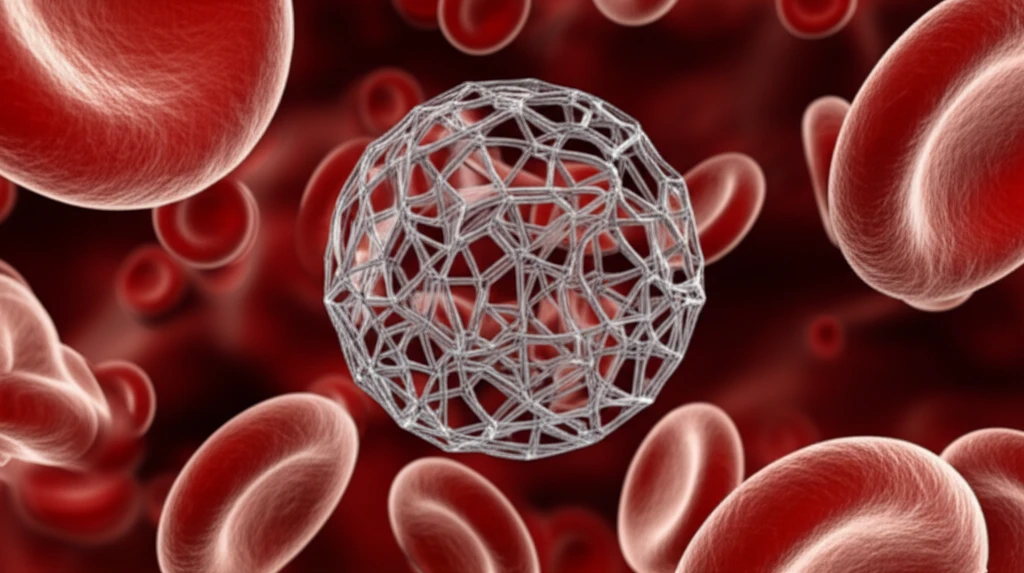
Hypofibrinogenemia is a rare genetic disorder that affects the body's ability to form blood clots. This condition is characterized by a deficiency of fibrinogen, a protein produced by the liver and an essential component of the coagulation cascade. Fibrinogen plays a vital role in stopping bleeding by forming a mesh-like structure that traps blood cells and forms a clot.
- Easy Bruising: Individuals may experience increased bruising from minor injuries.
- Prolonged Bleeding: Cuts and wounds may bleed for an extended period.
- Nosebleeds: Frequent or severe nosebleeds can occur.
- Heavy Menstrual Periods: Women may experience unusually heavy menstrual bleeding.
- Bleeding in the Joints or Muscles: In severe cases, bleeding can occur internally, leading to pain and swelling.
- Postpartum Hemorrhage: Women with hypofibrinogenemia may experience excessive bleeding after childbirth.
- Increased risk of spontaneous abortion
A Glimpse into the Future: Advancing Knowledge and Improving Patient Care
The discovery of the p.Cys165Arg mutation and its impact on fibrinogen structure and function marks a significant step forward in our understanding of hypofibrinogenemia. This research opens new avenues for investigating the underlying mechanisms of this disorder and for developing more effective diagnostic and therapeutic strategies. As scientists continue to unravel the complexities of this rare genetic condition, hope remains for better outcomes and improved quality of life for those affected by hypofibrinogenemia.