
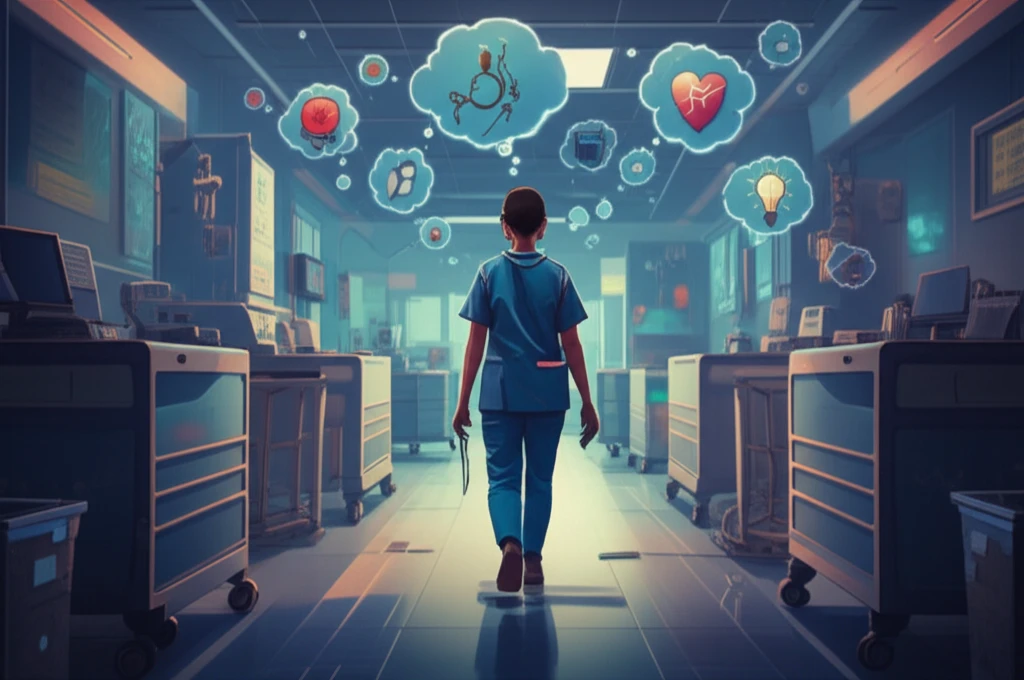
Decoding the Hospital Learning Curve: How Nursing Students Can Thrive

"Navigate hospital training with confidence: Understanding student experiences and transforming challenges into opportunities for growth."
Nurses are central to healthcare, performing roles in care, education, research, and management. Developing the necessary skills begins during undergraduate training and continues throughout their careers, preparing them to be active, critical members of the healthcare team. Integrating theoretical knowledge with practical experience is vital for their successful entry into healthcare environments.
During their training, nursing students face the realities of healthcare in both primary care settings and hospitals. They apply their theoretical knowledge, perform technical skills, and develop interpersonal relationships with colleagues, professors, patients, and other healthcare professionals. This immersive experience, while valuable, can also be a source of stress.
Factors such as unfamiliar professional vocabulary, a lack of maturity, and insufficient training in foundational subjects can contribute to this stress. It's crucial for educators to employ strategies that help students navigate these challenges, providing opportunities for dialogue, reflection, and adaptation. Digital Educational Technologies (DETs), like online discussion forums, can play a key role in fostering these supportive learning environments, promoting interaction, autonomy, and flexibility.
Unveiling Student Perceptions: Challenges and Breakthroughs in Hospital Training
A recent study explored how nursing students perceive and experience their learning process during hospital placements. This qualitative, retrospective, documentary study, conducted within an undergraduate nursing course, analyzed 162 posts from 34 students participating in online discussions using the Moodle platform during the first half of 2011.
- Navigating the New Environment: Many students initially focused on describing the physical environment of the hospital unit, while others shared their feelings of insecurity and anxiety related to this new, complex setting.
- Confronting Conflicts: Students reported conflicts in relationships with peers, patients, and even healthcare professionals, emphasizing the emotional challenges of navigating diverse perspectives and expectations.
- Redefining the Nurse's Role: While students often viewed nurses primarily as caregivers, their experiences in the hospital broadened this perspective, highlighting the importance of knowledge, intervention skills, and communication.
- Facing Mortality: Witnessing patient deaths evoked feelings of sadness, empathy, and helplessness, revealing a gap in training regarding how to cope with human finitude and the emotional demands of end-of-life care.
- Mastering Procedures, Managing Anxiety: Students expressed anxiety when performing procedures, noting how these feelings sometimes hindered their ability to learn. The study underscores the need to balance technical training with emotional support and opportunities for reflection.
Transforming Insights into Action: Fostering Supportive Learning Environments
This research underscores the importance of creating supportive learning environments where nursing students can openly share their experiences, challenges, and perceptions. By recognizing the emotional and practical difficulties students face during hospital placements, educators can implement strategies to improve their clinical education.
Encouraging dialogue, reflection, and peer support through online forums and in-person discussions can help students navigate the complexities of the hospital environment, build confidence in their skills, and develop coping mechanisms for managing stress and emotional challenges.
Ultimately, these efforts will contribute to the development of more resilient, empathetic, and competent nursing professionals who are well-prepared to meet the demands of modern healthcare.