
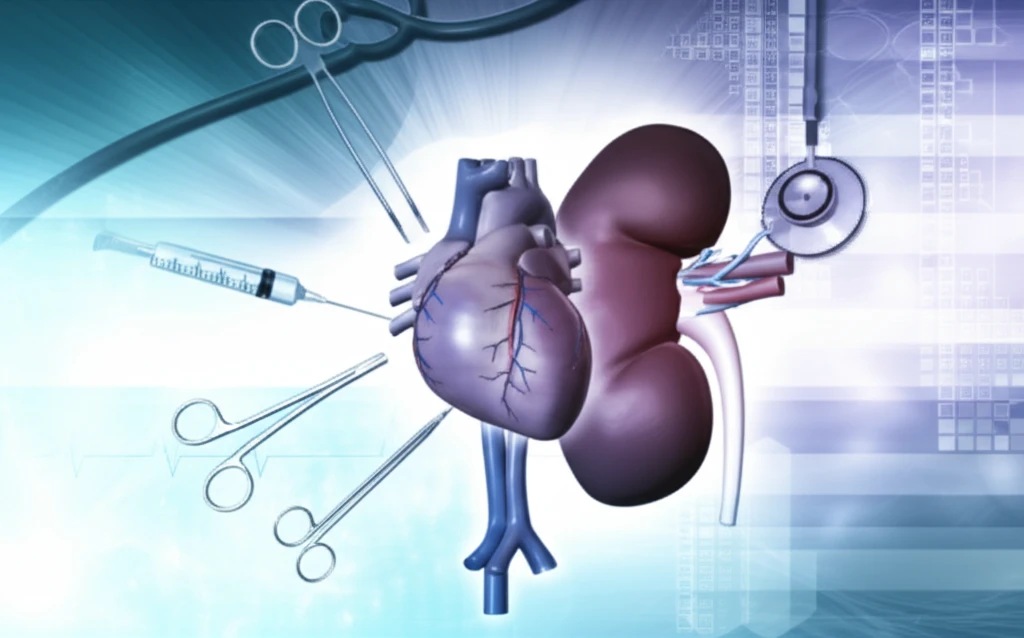
Illustration of heart surrounded by medical tools and a kidney, symbolizing cardiac screening.

Decoding the Heart of Transplantation: How Cardiac Screening Saves Lives

"Unveiling the Power of Cardiac Screening: A Lifeline for Kidney Transplant Candidates"


Imagine standing on the precipice of a new beginning, ready to embrace a life-changing opportunity. For individuals with end-stage kidney disease, that opportunity is a kidney transplant. But before this life-saving procedure can take place, there's a crucial, often overlooked step: cardiac screening. The heart, after all, is the engine of life, and its health is paramount, especially when the body is about to undergo a major medical intervention.

In this article, we'll explore the landscape of cardiac screening for kidney transplant candidates. We'll uncover the significance of various diagnostic tools, and the impact they have on patient outcomes. This is not just an exploration of medical procedures; it's about understanding how we can safeguard and improve the quality of life for those waiting for a second chance.

This piece draws on research findings, providing a comprehensive look at the current best practices in cardiac screening. We aim to provide you with the knowledge to understand the process, why it's crucial, and how it contributes to the overall success of kidney transplantation. Whether you're a patient, a caregiver, or simply curious, this is your guide to the heart of transplantation.

Why Cardiac Screening is a Game-Changer for Transplant Candidates

Illustration of heart surrounded by medical tools and a kidney, symbolizing cardiac screening.

The journey to a kidney transplant is often long and challenging, and the procedure itself is a significant undertaking for the body. It's important that the heart is in the best possible shape. Cardiac screening is more than just a routine check-up; it's a comprehensive evaluation of the heart's health, designed to identify any underlying issues that could complicate the transplant procedure or impact long-term health.

When evaluating candidates for kidney transplantation, cardiologists and nephrologists must assess various cardiac risk factors. These factors include age, diabetes, smoking, high blood pressure (hypertension), high cholesterol (dyslipidemia), and a history of heart disease. These factors can increase the risk of heart problems during and after the transplant. Cardiac screening helps identify these issues, allowing for proactive intervention.

  • Age: As we get older, the risk of heart problems increases, so screening becomes increasingly important.
  • Diabetes: This can damage the heart and blood vessels.
  • Smoking: This damages the heart and blood vessels.
  • High Blood Pressure: Elevated blood pressure puts extra strain on the heart.
  • High Cholesterol: This can lead to plaque buildup in the arteries, increasing the risk of heart disease.
  • Existing Heart Disease: A history of heart problems is a key factor in assessing risk.
By carefully evaluating these factors and employing specific diagnostic tools, doctors can create a comprehensive plan to address any potential risks. This proactive approach is crucial for ensuring the best possible outcomes for transplant candidates, increasing their chances of a successful transplant and a longer, healthier life.

Empowering the Future of Transplantation through Proactive Heart Health

Cardiac screening is a critical step in the journey to a kidney transplant. It helps ensure that transplant candidates are in the best possible health to undergo this life-changing procedure. By understanding the importance of cardiac screening, and the various diagnostic tools used, patients, caregivers, and healthcare professionals can work together to make informed decisions and improve patient outcomes. The future of transplantation is bright, and it starts with a healthy heart.

About this Article -

This article was crafted using a human-AI hybrid and collaborative approach. AI assisted our team with initial drafting, research insights, identifying key questions, and image generation. Our human editors guided topic selection, defined the angle, structured the content, ensured factual accuracy and relevance, refined the tone, and conducted thorough editing to deliver helpful, high-quality information.See our About page for more information.

This article is based on research published under:

DOI-LINK: 10.1016/j.jcmg.2017.07.012, Alternate LINK

Title: Prognostic Value Of Risk Factors, Calcium Score, Coronary Cta, Myocardial Perfusion Imaging, And Invasive Coronary Angiography In Kidney Transplantation Candidates

Subject: Cardiology and Cardiovascular Medicine

Journal: JACC: Cardiovascular Imaging

Publisher: Elsevier BV

Authors: Simon Winther, My Svensson, Hanne Skou Jørgensen, Laust Dupont Rasmussen, Niels Ramsing Holm, Lars Christian Gormsen, Kirsten Bouchelouche, Hans Erik Bøtker, Per Ivarsen, Morten Bøttcher

Published: 2018-06-01

Everything You Need To Know

1

Why is cardiac screening considered a vital step for individuals being evaluated for a kidney transplant?

Cardiac screening is crucial because it assesses the heart's health before the significant undertaking of a kidney transplant. The heart's condition can significantly impact the success of the transplant and the patient's long-term health. By identifying any underlying cardiac issues beforehand, medical professionals can take proactive steps to minimize risks and improve outcomes. The screening process considers factors like age, diabetes, smoking, high blood pressure (hypertension), high cholesterol (dyslipidemia) and existing heart disease.

2

What specific cardiac risk factors are evaluated in kidney transplant candidates, and how do these factors influence the decision-making process?

When assessing kidney transplant candidates, cardiologists and nephrologists evaluate several key cardiac risk factors. These include age, as the risk of heart problems increases with age; diabetes, which can damage the heart and blood vessels; smoking, which harms the heart and blood vessels; high blood pressure (hypertension), which puts extra strain on the heart; high cholesterol (dyslipidemia), which can lead to plaque buildup in the arteries; and a history of existing heart disease. The presence and severity of these factors help determine the overall cardiac risk and guide decisions regarding the suitability for transplantation and the need for interventions to optimize heart health before the procedure. Addressing these risk factors proactively is essential for improving transplant success and long-term patient outcomes. More advanced testing like ECGs and echocardiograms are also performed to assess function.

3

In what ways does proactively addressing heart health through cardiac screening empower the future of kidney transplantation?

Proactive cardiac screening is a cornerstone for improving the future of kidney transplantation. By identifying and addressing potential heart issues before transplantation, doctors can significantly improve patient outcomes. Cardiac screening ensures transplant candidates are in the best possible health to undergo the procedure, enhancing their chances of a successful transplant and a longer, healthier life post-transplant. This proactive approach empowers patients, caregivers, and healthcare professionals to make informed decisions, optimize patient care, and pave the way for continued advancements in the field of transplantation, potentially reducing mortality and morbidity rates related to cardiac complications.

4

Can you elaborate on how conditions like diabetes and high cholesterol (dyslipidemia) specifically impact the cardiovascular system in the context of kidney transplant candidacy?

Diabetes and high cholesterol (dyslipidemia) have distinct yet interconnected impacts on the cardiovascular system of kidney transplant candidates. Diabetes can cause damage to both the heart and blood vessels, leading to conditions such as coronary artery disease, heart failure, and peripheral artery disease. High cholesterol (dyslipidemia) contributes to the buildup of plaque within the arteries, a process known as atherosclerosis. This plaque accumulation narrows the arteries, restricting blood flow and increasing the risk of heart attack and stroke. In kidney transplant candidates, who often have pre-existing cardiovascular issues, these conditions can significantly elevate the risk of cardiac complications during and after transplantation. Managing diabetes and high cholesterol (dyslipidemia) through lifestyle modifications and medications is therefore crucial in optimizing heart health and improving transplant outcomes.

5

Beyond identifying risks, how does cardiac screening contribute to creating a comprehensive plan for kidney transplant candidates?

Cardiac screening does more than simply identify risks; it's a critical component in developing a comprehensive, personalized care plan for kidney transplant candidates. By thoroughly evaluating the heart's health, doctors can determine the best course of action to mitigate potential cardiac issues. This might involve lifestyle changes, medications to manage conditions like high blood pressure (hypertension) or high cholesterol (dyslipidemia), or even procedures to address existing heart problems before the transplant. The information gathered from cardiac screening helps tailor the transplant process to the individual's specific needs, optimizing their chances of a successful outcome and improving their overall long-term health. This holistic approach ensures that the patient's heart is as healthy as possible before undergoing the significant stress of a kidney transplant.

Newsletter Subscribe

Subscribe to get the latest articles and insights directly in your inbox.