
Decoding Staph: How Bacteria Snatch Iron from Your Blood

"Scientists uncover the intricate dance of Staphylococcus aureus proteins, revealing how these bacteria steal heme from your hemoglobin to fuel infection."
Imagine a microscopic battleground within your body, where bacteria are constantly vying for essential resources to survive and thrive. Among these vital nutrients, iron stands out as a critical element. It's a key component of hemoglobin, the protein in red blood cells responsible for carrying oxygen. But what happens when a bacterial invader targets this precious iron source?
Staphylococcus aureus, a notorious bacterium responsible for a wide range of infections, from skin irritations to life-threatening conditions, has evolved a sophisticated strategy to acquire iron. This process involves a complex interplay of proteins that work together to extract heme, the iron-containing molecule, from methemoglobin, a form of hemoglobin. Understanding this intricate mechanism is crucial for developing effective strategies to combat Staph infections.
New research sheds light on the specific roles of various protein domains and segments within the IsdB protein of Staphylococcus aureus, a key player in heme acquisition. By dissecting the functions of these components, scientists are uncovering the secrets of how this bacterium steals iron from our blood, paving the way for innovative therapeutic interventions.
The Iron Heist: Unmasking the Key Players in Staph's Heme Acquisition
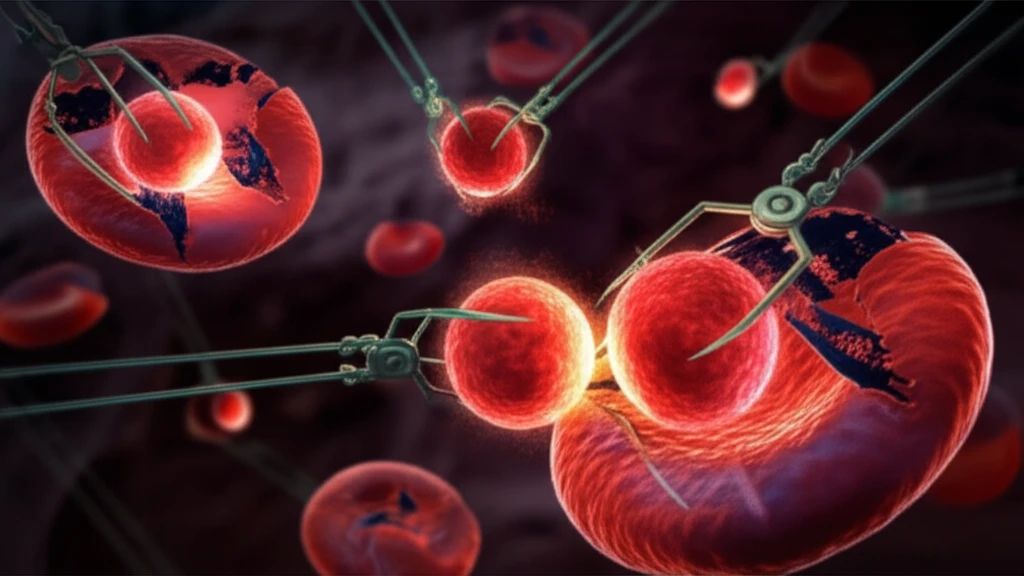
The bacterium Staphylococcus aureus is a master of iron acquisition. It employs a sophisticated machinery to pilfer iron, a nutrient vital for its survival and virulence, directly from the host's hemoglobin. The IsdB protein, anchored on the bacterial surface, plays a pivotal role in this process. Imagine IsdB as a grappling hook, reaching out to capture heme from methemoglobin (metHb), a form of hemoglobin found in the bloodstream.
- NS (N-terminal segment): This segment is crucial for the speed of the heme transfer reaction. Think of it as the accelerator pedal in a car.
- N1 (NEAT1 domain): This domain is thought to initially grab the methemoglobin.
- MD (Middle domain): This region acts as a bridge, enhancing the affinity of the N2 domain for heme. In other words, makes it easier for N2 to snatch heme.
- N2 (NEAT2 domain): This is the heme-binding domain itself, the pocket that captures the precious iron.
- CS (C-terminal segment): Surprisingly, this segment doesn't directly affect the speed or efficiency of heme transfer, but its important to locate other segments in place.
A New Target for Infection Control
Understanding the intricate mechanisms by which Staphylococcus aureus acquires heme from methemoglobin opens new avenues for developing targeted therapies. By disrupting the function of key protein domains, such as the NS or MD segments of IsdB, it may be possible to starve the bacteria of iron, effectively weakening their ability to cause infection. Future research focusing on these critical interactions holds promise for innovative strategies to combat Staphylococcus aureus and other bacterial pathogens that rely on heme acquisition for survival.