
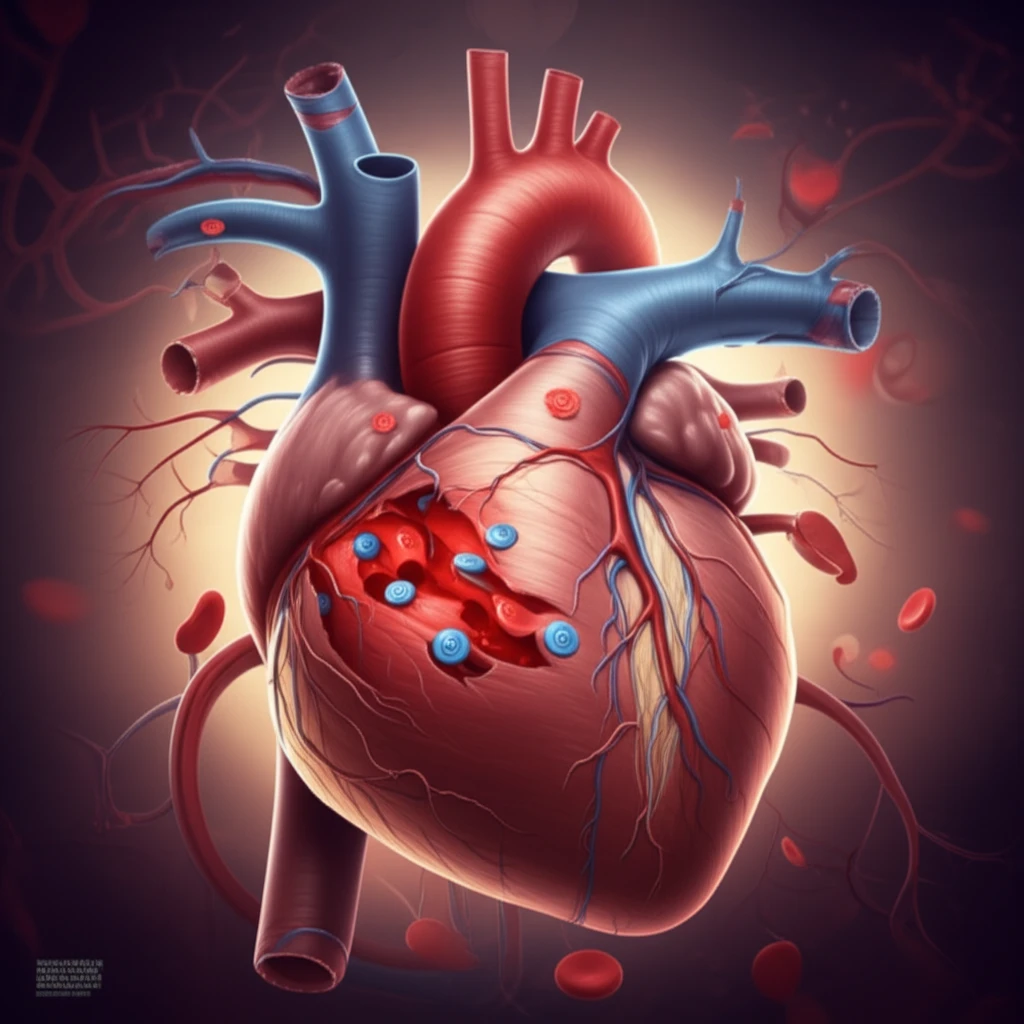
Surreal illustration of a heart with a mended coronary artery symbolizing SCAD recovery.

Decoding SCAD: New Insights into Spontaneous Coronary Artery Dissection

"A large-scale study reveals critical risk factors and potential preventative measures for this underdiagnosed heart condition."


Spontaneous Coronary Artery Dissection (SCAD) is a heart condition that occurs when a tear forms in a coronary artery. This tear can slow or block blood flow to the heart, leading to a heart attack, arrhythmia, or sudden death. Unlike heart attacks caused by plaque buildup (atherosclerosis), SCAD often affects younger, otherwise healthy individuals, and it's more prevalent in women.

For years, SCAD was underdiagnosed. However, increased awareness and improved diagnostic techniques have led to a surge in reported cases. This has allowed researchers to delve deeper into understanding the condition, its causes, and how to manage it effectively. A groundbreaking study published in the Journal of the American College of Cardiology sheds new light on SCAD, offering valuable insights into long-term outcomes and risk factors for recurrence.

This article breaks down the key findings of this important study, translating complex medical information into practical knowledge for those at risk, those diagnosed with SCAD, and anyone interested in protecting their heart health. We'll explore the identified risk factors, potential preventative measures, and the importance of ongoing research in this evolving field.

What the Latest Research Reveals About SCAD

Surreal illustration of a heart with a mended coronary artery symbolizing SCAD recovery.

Researchers prospectively followed 327 SCAD patients at Vancouver General Hospital, gathering comprehensive data on their medical history, risk factors, triggers, angiographic features, treatments, and cardiovascular events. The study aimed to identify predictors of recurrent SCAD and evaluate the effectiveness of different treatment strategies.

Here's what the study revealed:

  • Who is Affected: The average age of SCAD patients was 52.5 years, with a significant majority (90.5%) being women. Over half of the women were postmenopausal.
  • How SCAD Presents: All patients experienced a myocardial infarction (MI), with varying types of ECG changes.
  • Potential Triggers: Emotional stressors were reported by 48.3% of patients, while physical stressors were reported by 28.1%.
  • Underlying Conditions: Fibromuscular dysplasia (FMD), a condition affecting the arteries, was present in 62.7% of patients. Other conditions like connective tissue disorders and systemic inflammatory diseases were also noted.
  • Treatment Approaches: Most patients (83.1%) were initially treated with medication. A smaller percentage required percutaneous coronary intervention (PCI) or coronary artery bypass graft surgery (CABG).
  • Long-Term Outcomes: Over a median follow-up of 3.1 years, 19.9% of patients experienced a major adverse cardiac event (MACE), including death, recurrent MI, stroke/TIA, or revascularization. Recurrent SCAD occurred in 10.4% of patients.
The study identified hypertension as a significant risk factor for recurrent SCAD, while beta-blocker therapy appeared to have a protective effect.

Protecting Your Heart: What You Can Do

This research underscores the importance of understanding SCAD, particularly for women. While more research is needed, here are some potential takeaways for protecting your heart health: <ul><li><b>Manage Blood Pressure:</b> If you have hypertension, work closely with your doctor to manage it effectively.</li><li><b>Discuss Beta-Blockers:</b> Talk to your doctor about whether beta-blocker therapy is appropriate for you, especially if you have SCAD or risk factors.</li><li><b>Minimize Stress:</b> Identify and manage emotional and physical stressors in your life. Explore stress-reduction techniques like mindfulness, yoga, or spending time in nature.</li><li><b>Know Your Risks:</b> Be aware of the potential risk factors for SCAD, such as FMD and family history.</li></ul>SCAD is a complex condition, and ongoing research is crucial for developing better diagnostic and treatment strategies. Stay informed, advocate for your health, and work with your healthcare team to create a personalized plan for a healthy heart.

About this Article -

This article was crafted using a human-AI hybrid and collaborative approach. AI assisted our team with initial drafting, research insights, identifying key questions, and image generation. Our human editors guided topic selection, defined the angle, structured the content, ensured factual accuracy and relevance, refined the tone, and conducted thorough editing to deliver helpful, high-quality information.See our About page for more information.

Everything You Need To Know

1

What exactly is Spontaneous Coronary Artery Dissection (SCAD), and why is it significant?

Spontaneous Coronary Artery Dissection (SCAD) is a heart condition where a tear forms in a coronary artery, which can impede blood flow to the heart. This can lead to severe outcomes such as a heart attack, arrhythmia, or sudden death. Unlike atherosclerosis, which involves plaque buildup, SCAD frequently affects younger, otherwise healthy individuals, and is more common in women. The implications of SCAD include the potential for major adverse cardiac events (MACE), including death. Recognizing SCAD is vital for timely intervention and management.

2

Who is most commonly affected by Spontaneous Coronary Artery Dissection (SCAD), and what are some of the key findings?

The recent study revealed that the average age of patients was 52.5 years old, with 90.5% being women, over half of whom were postmenopausal. All patients in the study had a myocardial infarction (MI). Emotional stressors were reported by 48.3% of patients, and physical stressors were reported by 28.1%. Fibromuscular dysplasia (FMD) was present in 62.7% of patients. These findings highlight the demographics and some of the potential triggers associated with SCAD, as well as underlying conditions.

3

What role does Fibromuscular dysplasia (FMD) play in Spontaneous Coronary Artery Dissection (SCAD)?

Fibromuscular dysplasia (FMD) is a condition affecting the arteries, and it was found to be present in 62.7% of patients in the study. FMD can weaken the artery walls, making them more susceptible to tears, which can then lead to SCAD. The prevalence of FMD emphasizes the importance of screening and monitoring for this condition, especially in individuals at risk for SCAD. Other conditions such as connective tissue disorders and systemic inflammatory diseases were also noted and are believed to have similar implications on artery integrity.

4

What risk factors were identified and what are some of the treatment implications?

The study indicates that hypertension is a significant risk factor for recurrent SCAD. Conversely, beta-blocker therapy appeared to have a protective effect. Managing blood pressure effectively is crucial for preventing SCAD recurrence. The protective effect of beta-blockers suggests they may help reduce the risk of future cardiac events. This underscores the importance of proper medication management and the potential for preventative interventions.

5

What steps can someone take to protect their heart health related to the information provided?

Potential preventative measures include managing blood pressure, discussing beta-blocker therapy with your doctor, and minimizing emotional and physical stressors. Recognizing and managing risk factors like Fibromuscular Dysplasia (FMD) and understanding your family history are also important. These measures aim to mitigate the factors that can contribute to SCAD, reducing the likelihood of a cardiac event and promoting overall heart health. Ongoing research is crucial for further refining these preventative strategies.

Newsletter Subscribe

Subscribe to get the latest articles and insights directly in your inbox.