
Decoding Parkinson's: How Brain Connectivity Reveals Insights Into Movement and Medication

"Unraveling the intricate connections in the brain to understand Parkinson's disease, its treatments, and the future of neurological care."
Parkinson's disease, a progressive neurodegenerative disorder, affects millions worldwide, causing tremors, rigidity, and difficulties with movement. While treatments like medication and deep brain stimulation offer relief, the underlying mechanisms of the disease remain complex. However, recent advancements in brain imaging and connectivity studies are unveiling new insights into the condition.
This article delves into the groundbreaking research that utilizes functional magnetic resonance imaging (fMRI) to map the brain's intricate networks. By analyzing these connections, scientists are gaining a deeper understanding of how Parkinson's affects the brain and how medications like levodopa influence these circuits. This knowledge is paving the way for more personalized and effective treatments.
We'll explore the latest findings that highlight the connections between specific brain regions and motor symptoms, as well as how these connections change in response to medication. This understanding is crucial for developing targeted therapies that can address the unique challenges faced by individuals with Parkinson's disease and enhance their well-being.
The Brain's Blueprint: Unveiling the Role of Connectivity in Parkinson's Disease
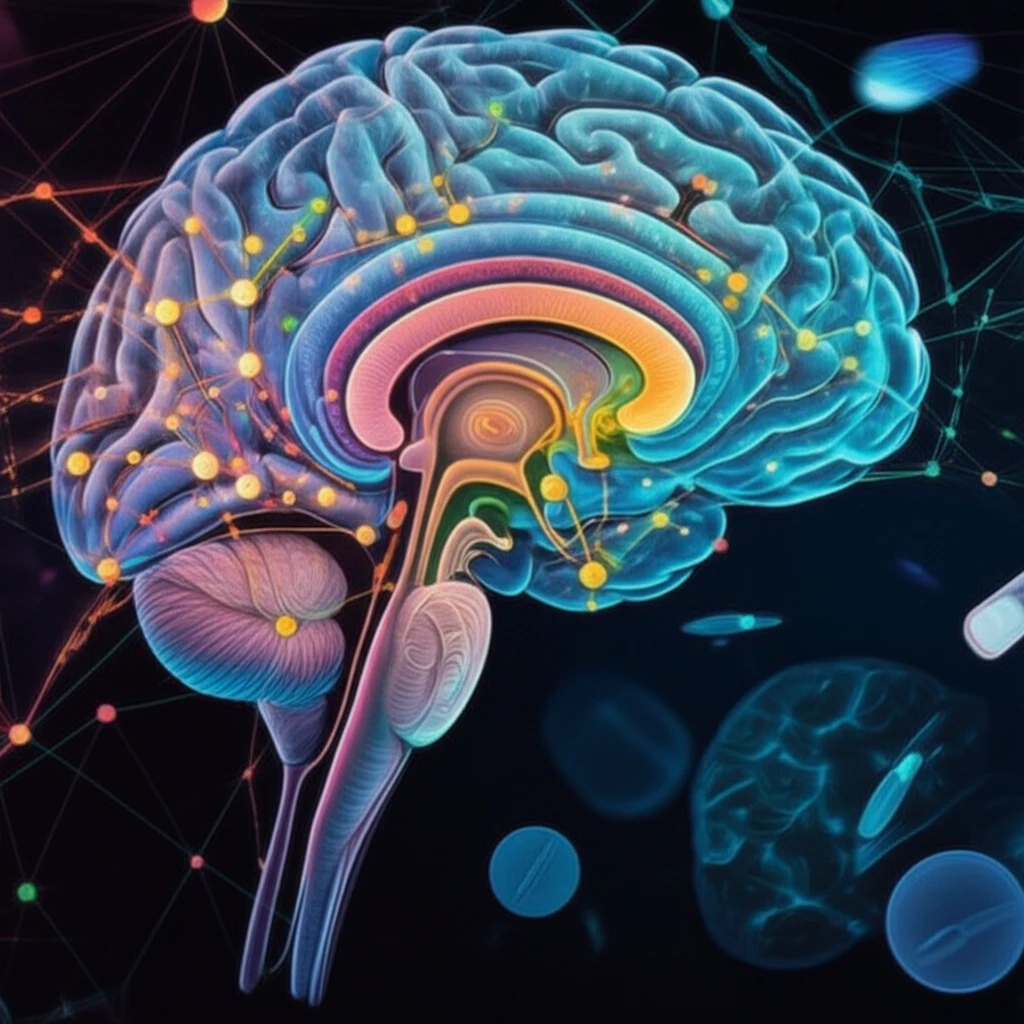
The brain operates as a complex network, where different regions communicate through intricate pathways. These pathways can be visualized using fMRI, a non-invasive imaging technique that measures brain activity by detecting changes in blood flow. By analyzing these fMRI data, researchers can map functional connectivity, which reveals how different brain regions interact with each other.
- Basal Ganglia: A cluster of structures that play a crucial role in movement initiation and control, are often affected by Parkinson's disease.
- Motor Cortex: The area of the brain that controls voluntary movements.
- fMRI: A neuroimaging technique that measures brain activity by detecting changes in blood flow, allowing researchers to map functional connectivity.
Looking Ahead: The Future of Parkinson's Disease Research and Treatment
The exploration of brain connectivity in Parkinson's disease is a rapidly evolving field. As researchers continue to uncover the intricate relationships between brain networks, motor symptoms, and medication responses, we can expect to see even more targeted and effective treatments. This knowledge will improve the quality of life for those affected by this challenging disorder and offer new avenues for early detection and prevention.