
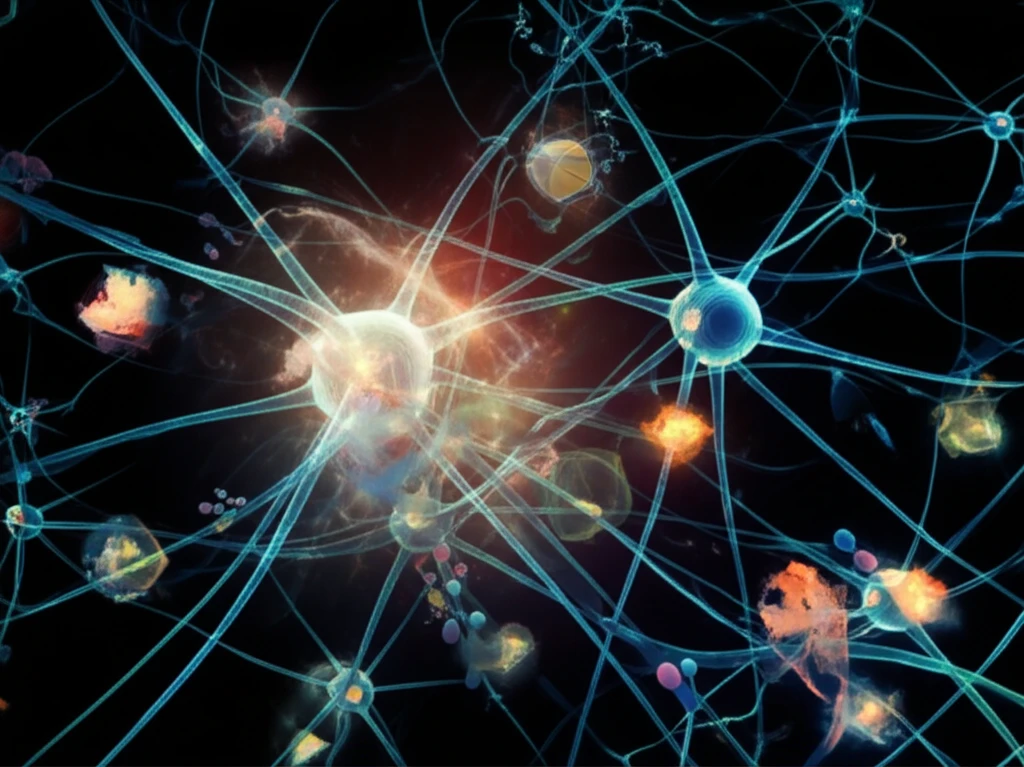
Decoding Pain: The Latest Breakthroughs in Pain Relief

"Explore how cutting-edge research is paving the way for innovative pharmacological targets to alleviate chronic pain and improve patient outcomes."
Chronic pain affects millions worldwide, significantly impacting quality of life and posing a major challenge for healthcare systems. Traditional pain management approaches often fall short, highlighting the urgent need for innovative therapies. Recent advances in neuropharmacology are shedding light on the complex mechanisms underlying pain, paving the way for more effective and targeted treatments.
This article delves into the exciting developments in pharmacological research focused on pain relief. Drawing from a comprehensive review of current neuropharmacology, we will explore how scientists are identifying novel therapeutic targets and developing innovative strategies to combat pain at its source. The intent is to provide a clear and accessible overview of these breakthroughs, offering hope for individuals seeking lasting relief from chronic pain.
We'll examine how researchers are unraveling the roles of various molecules and pathways involved in pain signaling, from the peripheral nervous system to the brain. By understanding these intricate processes, scientists are designing more precise and effective pain medications with fewer side effects. This exploration promises to empower readers with knowledge about the future of pain management and the potential for personalized treatments.
Unlocking the Molecular Mechanisms of Pain: Key Research Areas
Current research in pain pharmacology is focusing on several key areas, each offering unique opportunities for therapeutic intervention. These areas include:
- Pro-nociceptive Mediators: Investigating the molecules released under injury conditions that heighten pain sensitivity. Researchers are working to identify the specific mediators and their associated mechanisms to develop drugs that can block their actions and reduce hypersensitivity.
- Protease-Activated Receptors: Exploring the role of these receptors in visceral pain, particularly in the gut, pancreas, and bladder. By understanding how these receptors contribute to pain signaling in these organs, scientists aim to develop therapies for functional bowel disorders and other chronic visceral pain conditions.
- Voltage-Gated Calcium Channels: Examining the involvement of these channels in pain transmission and plasticity. Researchers are developing inhibitors that can modulate channel activity, potentially reducing pain signals and preventing the development of chronic pain.
- Potassium Channels: Recognizing the importance of potassium channels in controlling neuronal excitability and pain signaling. Scientists are validating potassium channels as therapeutic targets and developing drugs that can enhance their function to reduce pain.
- Calcium-Activated Anion Channels: Understanding the role of channels like Anoctamin 1 in thermal pain and inflammatory pain. Researchers are exploring how to modulate the activity of these channels to alleviate pain associated with inflammation and temperature changes.
- TRP Channels: Focusing on the sensory TRP channels, which are crucial in detecting a variety of pain-inducing stimuli. Scientists are developing synthetic ligands that can selectively target TRP channels to block pain signals.
- Resolvins and Omega-3 Fatty Acids: Harnessing the potential of these substances to promote pain resolution and reduce inflammation. Researchers are investigating how resolvins and omega-3 fatty acids can be used to develop new analgesic therapies with anti-inflammatory properties.
The Future of Pain Relief: A Collaborative Approach
The advancements discussed in this article represent a significant step forward in our understanding and treatment of pain. As research continues to unravel the complexities of pain mechanisms, the potential for developing more effective and targeted therapies grows.
However, it is important to recognize that pain management is a multifaceted challenge that requires a collaborative approach. Effective pain relief often involves a combination of pharmacological interventions, physical therapy, psychological support, and lifestyle modifications.
Ultimately, the goal is to empower individuals with chronic pain to live fuller, more active lives. By continuing to invest in research and embracing a holistic approach to care, we can create a future where pain is no longer a barrier to well-being.