
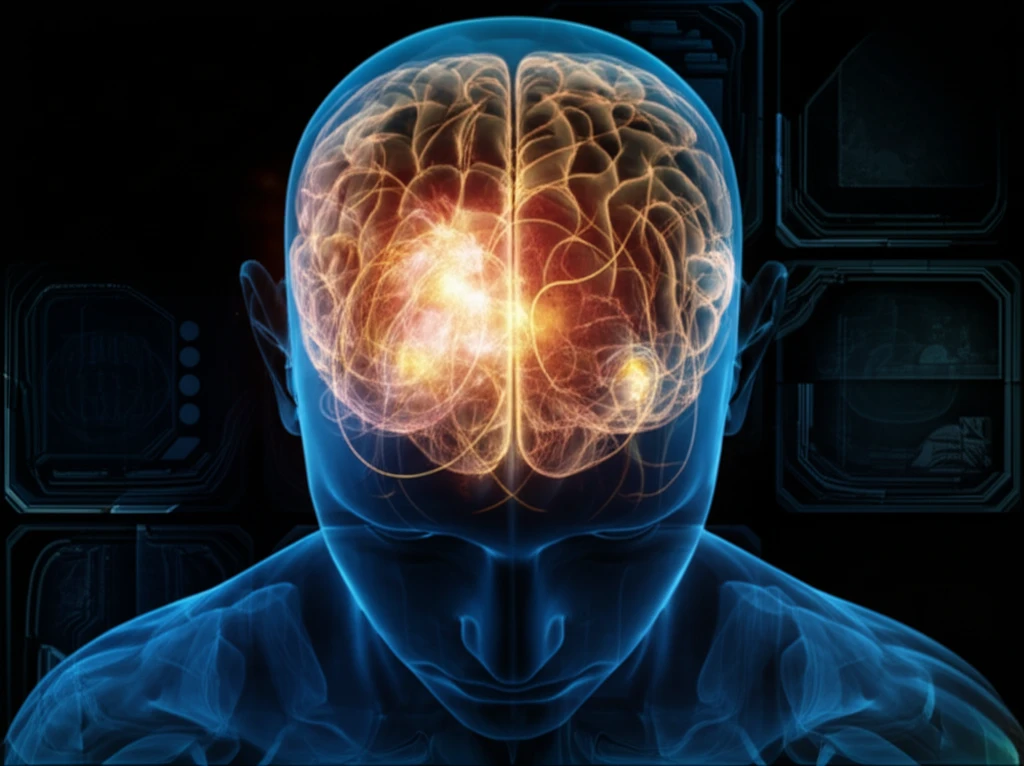
Brain activity glowing with interconnected neural pathways, symbolizing pain signals being decoded.

Decoding Pain: How Brain Imaging is Revolutionizing Treatment

"Explore the groundbreaking ways functional brain imaging is advancing our understanding and treatment of neuropathic pain."


Chronic pain, especially neuropathic pain, affects millions worldwide, significantly impacting their quality of life. Neuropathic pain arises from nerve damage or dysfunction, leading to persistent, often debilitating pain signals. For decades, understanding and treating this type of pain has been a significant challenge.

However, the advent of functional brain imaging techniques has opened new avenues for exploring the complexities of pain perception and processing in the brain. These tools allow researchers and clinicians to visualize brain activity in real-time, providing unprecedented insights into the neural mechanisms underlying pain.

This article explores how functional brain imaging is revolutionizing our understanding and treatment of neuropathic pain, offering hope for more effective and personalized pain management strategies.

Brain Imaging Techniques: A Window into Pain

Brain activity glowing with interconnected neural pathways, symbolizing pain signals being decoded.

Functional brain imaging encompasses various techniques that measure brain activity, including:

These methods allow scientists to identify which brain regions are activated or altered in response to painful stimuli. By comparing brain activity patterns in healthy individuals and those with chronic pain, researchers can pinpoint the neural signatures of pain and identify potential targets for therapeutic intervention.

  • Functional Magnetic Resonance Imaging (fMRI): Detects changes in blood flow, providing an indirect measure of neural activity.
  • Positron Emission Tomography (PET): Uses radioactive tracers to measure metabolic activity and neurotransmitter levels in the brain.
  • Electroencephalography (EEG) and Magnetoencephalography (MEG): Measure electrical activity in the brain with high temporal resolution, allowing for the study of rapid changes in brain function.
One of the most significant findings from brain imaging studies is that pain is not simply a sensory experience but a complex interplay of multiple brain regions. Areas involved in sensory processing, emotion, cognition, and motor control all contribute to the overall pain experience. This understanding has challenged the traditional view of pain as a linear pathway from the body to the brain, highlighting the importance of considering the whole brain when developing treatments.

Looking Ahead: The Future of Pain Management

Functional brain imaging holds immense promise for advancing our understanding and treatment of neuropathic pain. By identifying the specific brain circuits involved in individual patients' pain experiences, clinicians can tailor treatments to target those circuits, maximizing effectiveness and minimizing side effects. As technology advances and our knowledge of the brain expands, we can expect even more innovative applications of brain imaging to emerge, offering new hope for those living with chronic pain.

About this Article -

This article was crafted using a human-AI hybrid and collaborative approach. AI assisted our team with initial drafting, research insights, identifying key questions, and image generation. Our human editors guided topic selection, defined the angle, structured the content, ensured factual accuracy and relevance, refined the tone, and conducted thorough editing to deliver helpful, high-quality information.See our About page for more information.

Everything You Need To Know

1

What is functional brain imaging, and what are some of the techniques it involves?

Functional brain imaging encompasses techniques like fMRI (Functional Magnetic Resonance Imaging), PET (Positron Emission Tomography), EEG (Electroencephalography), and MEG (Magnetoencephalography). fMRI detects changes in blood flow related to neural activity. PET uses radioactive tracers to measure metabolic activity. EEG and MEG measure electrical activity with high temporal resolution. These methods help scientists see which brain regions are activated by pain.

2

Why is functional brain imaging considered to be such an important advancement in understanding and treating pain?

Functional brain imaging is significant because it allows researchers and clinicians to visualize brain activity in real-time, offering insights into the neural mechanisms of pain. This helps identify the specific brain circuits involved in individual patients' pain experiences, allowing for tailored and more effective treatments. It moves beyond the traditional view of pain as a simple sensory pathway.

3

What exactly is neuropathic pain, and why has it been so challenging to treat effectively?

Neuropathic pain is a type of chronic pain that arises from nerve damage or dysfunction. It leads to persistent and often debilitating pain signals. Understanding neuropathic pain has been a significant challenge, but functional brain imaging is opening new avenues for exploring how pain is perceived and processed in the brain, offering hope for more effective treatments.

4

What have brain imaging studies revealed about the nature of pain and how the brain processes it?

Brain imaging studies have revealed that pain is not just a sensory experience but involves a complex interaction of multiple brain regions. Areas related to sensory processing, emotion, cognition, and motor control all contribute to the overall pain experience. This understanding challenges the traditional view of pain as a linear pathway from the body to the brain.

5

What potential does functional brain imaging hold for the future of pain management?

Functional brain imaging holds promise for advancing pain management by allowing clinicians to identify the specific brain circuits involved in a patient's pain experience. This enables tailored treatments that target those circuits, potentially maximizing effectiveness and minimizing side effects. This personalized approach represents a significant advancement in the field.

Newsletter Subscribe

Subscribe to get the latest articles and insights directly in your inbox.