
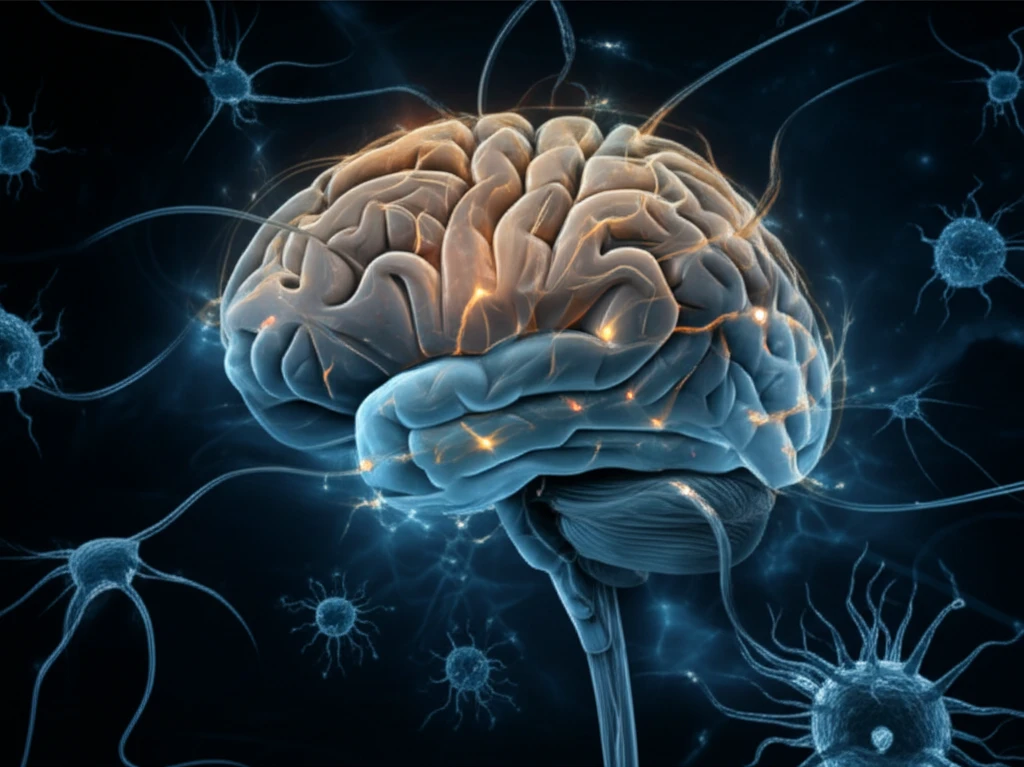
Decoding Neuroimmunomodulation: How Your Brain and Immune System Talk to Each Other

"Unraveling the complex interplay between the nervous and immune systems for better health outcomes."
Have you ever wondered how stress impacts your immune system, or why chronic inflammation can affect your mood? The answer lies in a fascinating field called neuroimmunomodulation – the intricate communication network between your brain (nervous system) and your immune system. This two-way street influences everything from your susceptibility to illness to your mental well-being.
Neuroimmunomodulation explores how these systems 'talk' to each other using chemical messengers like cytokines, hormones, and neurotransmitters. When this communication goes awry, it can contribute to a wide range of disorders, including autoimmune diseases, neurological conditions, and even mental health issues.
This article will delve into the key concepts of neuroimmunomodulation, exploring the latest research and potential therapeutic avenues. We'll break down the complex science into easy-to-understand language, revealing how this field could revolutionize our approach to health and disease.
What is Neuroimmunomodulation and Why Should You Care?
Neuroimmunomodulation, at its core, is the study of how the nervous system interacts with the immune system. Traditionally, these systems were viewed as independent entities. However, scientists now recognize that they are constantly influencing each other. This cross-talk is essential for maintaining homeostasis – the body's ability to regulate its internal environment and stay healthy.
- Cytokines: These are signaling molecules produced by immune cells that can affect brain function. For example, during an infection, cytokines can cause fatigue, fever, and changes in mood.
- Hormones: Hormones like cortisol (released during stress) can suppress immune function. Chronic stress can lead to prolonged cortisol elevation, weakening the immune system's ability to fight off infections.
- Neurotransmitters: Neurotransmitters, such as serotonin and dopamine, not only regulate mood and behavior but can also influence immune cell activity.
- The Vagus Nerve: This major nerve connects the brain to many organs, including the gut, which houses a significant portion of the immune system. The vagus nerve plays a crucial role in regulating inflammation.
The Future of Neuroimmunomodulation: Hope for New Treatments
The field of neuroimmunomodulation is rapidly evolving, with new discoveries constantly emerging. Researchers are actively exploring various therapeutic strategies to target the brain-immune connection.
Some promising avenues of research include:
<ul> <li><b>Targeting Cytokine Production:</b> Developing drugs that can selectively block the production or action of specific cytokines involved in disease processes.</li> <li><b>Vagus Nerve Stimulation:</b> Using electrical stimulation of the vagus nerve to reduce inflammation and improve immune function. This approach has shown promise in treating conditions like rheumatoid arthritis and inflammatory bowel disease.</li> <li><b>Lifestyle Interventions:</b> Exploring the impact of lifestyle factors like diet, exercise, and stress management on neuroimmunomodulation. Studies have shown that regular exercise and a healthy diet can reduce inflammation and improve mental well-being.</li> <li><b>Psychoneuroimmunology:</b> This related field investigates how psychological factors, such as stress and social support, influence the immune system. Therapies like mindfulness and cognitive behavioral therapy (CBT) can help manage stress and improve immune function.</li> </ul>