
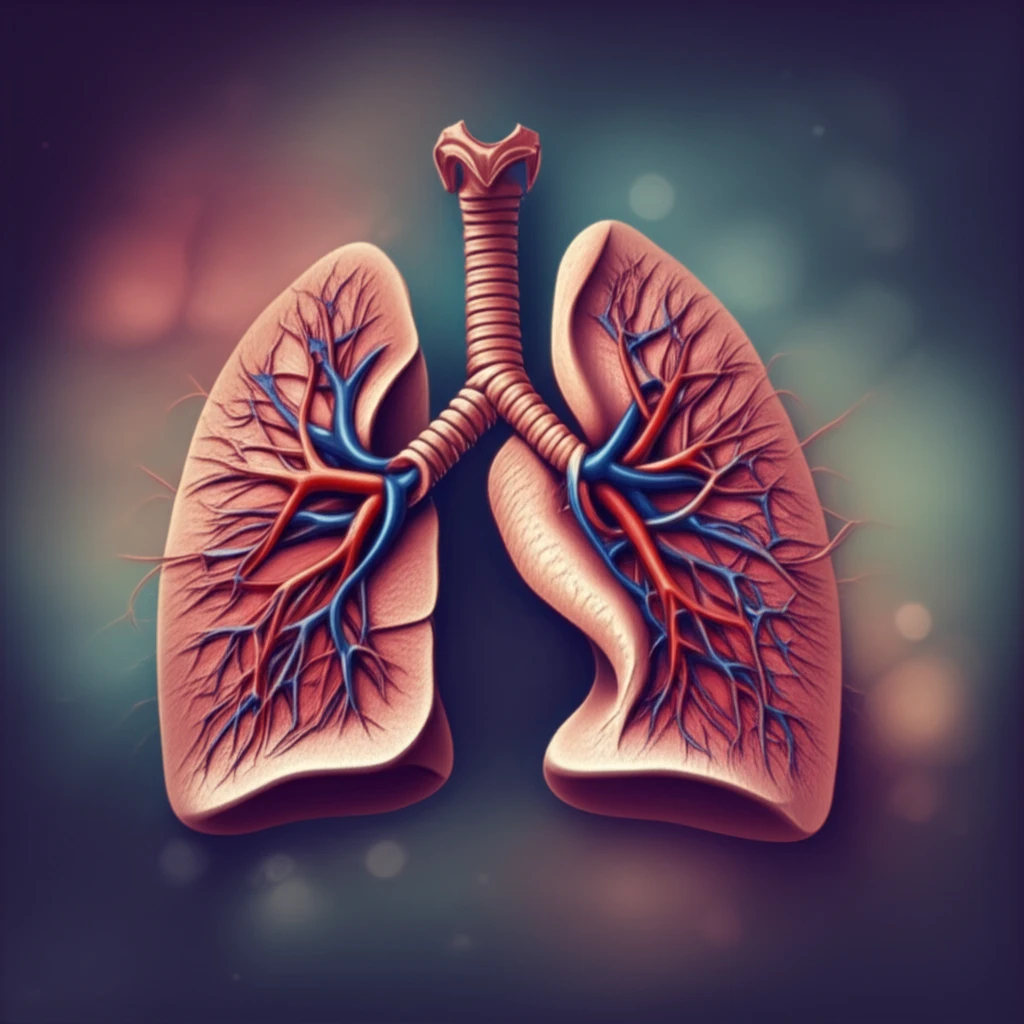
Illustration depicting the intricate relationship between lungs and blood vessels, highlighting the complexities of bronchiectasis and its connections to blood disorders.

Decoding Lung Health: Unveiling the Mysteries of Bronchiectasis and Its Hidden Connections

"Exploring the Complex Link Between Blood Disorders and Lung Complications: A Comprehensive Guide"


Bronchiectasis, a condition marked by the widening of the airways in the lungs, often flies under the radar. But for some, it's not just a respiratory issue; it's a red flag that can be connected to more systemic health problems. This article illuminates the less-explored connections between bronchiectasis and other conditions, particularly those related to blood disorders.

This exploration stems from a growing body of research that highlights the complexity of the human body. It is a complex network. This article will delve into the findings of a recent study, which is an effort to understand the different factors at play in the development of bronchiectasis. We'll unpack the science, examine the patient experiences, and offer a clearer picture of the diagnosis.

By connecting the dots between seemingly unrelated health issues, we aim to empower you with knowledge. This knowledge can influence decisions about your health and wellness. It's about understanding the full picture and working towards a better quality of life.

Unpacking Bronchiectasis: The Basics and Beyond

Illustration depicting the intricate relationship between lungs and blood vessels, highlighting the complexities of bronchiectasis and its connections to blood disorders.

Bronchiectasis is characterized by the irreversible widening and scarring of the lung's airways. This damage can lead to a build-up of mucus, making the lungs vulnerable to infections and other complications. The condition is not always straightforward, and its causes are as varied as the individuals affected. This article focuses on the connections between bronchiectasis and blood disorders.

The journey to understanding bronchiectasis starts with recognizing its symptoms, which may include chronic cough, excessive mucus production, shortness of breath, and recurring respiratory infections. However, the true complexity emerges when we consider the underlying causes. Research suggests a complex interplay of factors, including genetic predispositions, infections, and immune system issues, all of which can increase the risk of bronchiectasis.

  • Infections: Past respiratory infections, such as pneumonia or whooping cough, can injure the airways, making them more susceptible to bronchiectasis.
  • Immune System Problems: Conditions that weaken the immune system, such as some blood disorders, can leave the lungs vulnerable to damage and infection.
  • Genetic Factors: In some instances, genetic conditions can contribute to bronchiectasis by affecting the structure or function of the airways.
In the original research, a cohort of patients with hematologic malignancies were studied. Many patients exhibited bronchiectasis. The data revealed that the development of bronchiectasis could be linked to the treatment of the blood disorder itself. The study also suggests that it may be a complex interplay of factors. These factors include the underlying disease, its treatment, and the patient's overall health, that contribute to the development of bronchiectasis.

Empowering Your Health Journey

Understanding the complexities of bronchiectasis and its links to other health conditions is the first step. By arming yourself with information, you're better equipped to navigate your health journey. It's important to consult with healthcare professionals and discuss any concerns. By taking proactive steps, you can work towards a healthier, more informed future.

About this Article -

This article was crafted using a human-AI hybrid and collaborative approach. AI assisted our team with initial drafting, research insights, identifying key questions, and image generation. Our human editors guided topic selection, defined the angle, structured the content, ensured factual accuracy and relevance, refined the tone, and conducted thorough editing to deliver helpful, high-quality information.See our About page for more information.

Everything You Need To Know

1

What exactly is bronchiectasis, and how does it impact lung health?

Bronchiectasis is a condition characterized by the irreversible widening and scarring of the lung's airways. This damage leads to mucus build-up, making the lungs more susceptible to infections and complications. It's not always straightforward, with causes that can vary widely among affected individuals. Understanding bronchiectasis involves recognizing symptoms like chronic cough, excessive mucus production, shortness of breath, and recurring respiratory infections. Identifying bronchiectasis is the first step toward addressing the underlying factors contributing to its development.

2

How can blood disorders be related to lung conditions like bronchiectasis?

Blood disorders or their treatments can weaken the immune system or affect lung structure, increasing the risk of bronchiectasis. This can occur through various mechanisms, such as compromised immune function, making the lungs more vulnerable to damage and infection. The link between hematologic malignancies, their treatments, and the development of bronchiectasis highlights the complex interplay between systemic health and lung function. Understanding this connection is crucial for individuals with blood disorders to monitor and protect their respiratory health.

3

What are some of the common causes and risk factors associated with bronchiectasis?

Bronchiectasis stems from a complex interplay of factors. These factors include past respiratory infections like pneumonia or whooping cough, immune system problems related to blood disorders, and genetic predispositions affecting airway structure or function. These elements can independently or collectively elevate the risk of developing bronchiectasis. Identifying these risk factors is essential for proactive management and early intervention to mitigate the potential for lung damage.

4

What role do infections, such as pneumonia or whooping cough, play in the development of bronchiectasis?

Past respiratory infections, like pneumonia or whooping cough, can injure the airways and make them more susceptible to bronchiectasis. The damage inflicted by these infections compromises the structural integrity of the airways. The infection makes them more vulnerable to widening and scarring characteristic of bronchiectasis. Recognizing the impact of prior respiratory infections is vital for identifying individuals at higher risk and implementing preventive strategies to protect lung health.

5

How does understanding the connection between blood disorders and bronchiectasis empower individuals to take control of their health?

Understanding the complexities of bronchiectasis and its links to blood disorders empowers individuals to actively participate in their healthcare. This knowledge enables more informed discussions with healthcare professionals and allows for proactive steps towards managing health. It is important to monitor for respiratory symptoms and implement preventive measures to mitigate potential risks. This understanding fosters a more proactive and informed approach to healthcare, leading to improved quality of life and better management of bronchiectasis.

Newsletter Subscribe

Subscribe to get the latest articles and insights directly in your inbox.