
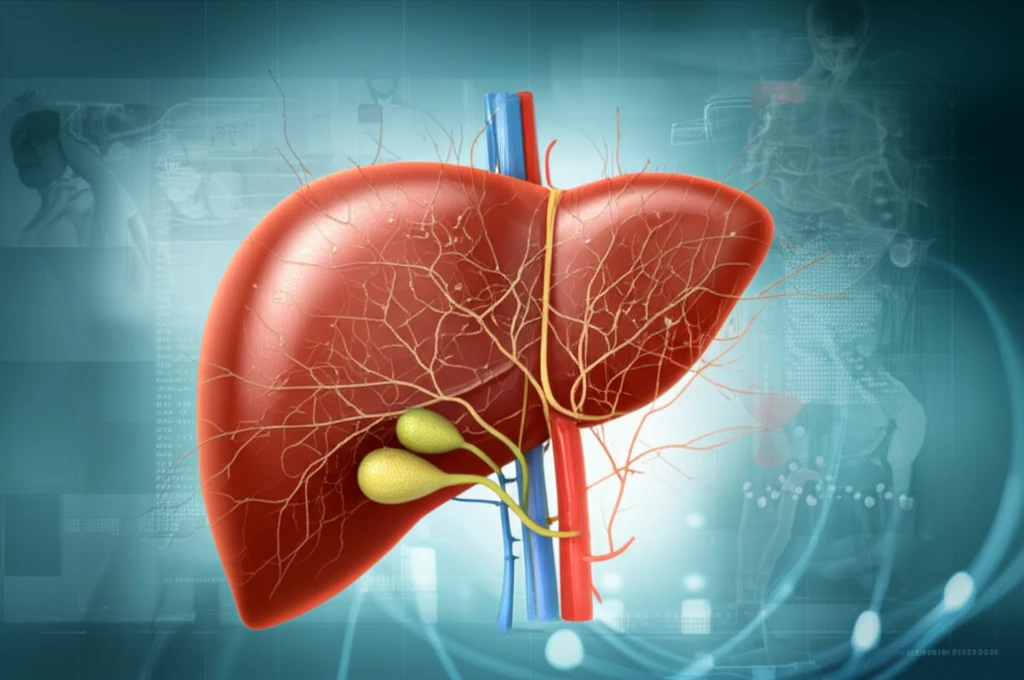
Illustration of a healthy liver with interconnected cells and blood vessels.

Decoding Liver Health: Why Hospitalizations for Chronic Liver Disease Are On the Rise

"A Deep Dive into the Trends, Complications, and What It Means for Your Liver's Well-being."


Our livers, the unsung heroes of our bodies, work tirelessly to filter toxins, produce essential proteins, and support overall health. But what happens when this vital organ faces chronic challenges? Recent studies reveal a concerning trend: hospitalizations related to chronic liver disease (CLD) are on the rise. This isn't just a matter of numbers; it's a reflection of how CLD is changing, affecting more people, and presenting new challenges for healthcare.

This article delves into the evolving landscape of CLD, examining the key findings of a population-based study that analyzed hospitalization trends. We'll explore the factors driving this increase, including the aging population, the rise of conditions like fatty liver disease, and the shift in complications from traditional issues like portal hypertension to modern challenges such as infections and renal failure. Understanding these trends is crucial for both healthcare professionals and individuals seeking to protect their liver health.

As we navigate these changes, it's essential to move beyond the traditional understanding of CLD and embrace a more comprehensive view. By examining the data and insights, we can gain a better understanding of this critical health issue and how to proactively address it. This article serves as a guide to the current state of liver health, its challenges, and what we can do to make informed decisions about our well-being.

Unpacking the Numbers: Trends in Chronic Liver Disease Hospitalizations

Illustration of a healthy liver with interconnected cells and blood vessels.

The study revealed a significant increase in CLD-related hospitalizations over the past decade. The age-and-gender-standardized annual rate of CLD-related hospitalizations has increased dramatically. This increase isn't just about more people; it reflects a complex interplay of factors, including the aging of the population and the growing prevalence of chronic conditions that affect liver health. These numbers are more than statistics; they represent a growing need for awareness, prevention, and improved care strategies.

One of the most striking trends is the shift in the type of complications. While traditional issues related to portal hypertension, such as ascites and variceal bleeding, have remained relatively stable, there has been a significant rise in complications related to infection and renal failure. This shift highlights the importance of addressing these emerging issues and rethinking our approach to managing CLD. This shift underscores the evolving nature of liver disease and the need for updated diagnostic and treatment approaches.

  • Rising Hospitalization Rates: Overall CLD-related hospitalizations have increased significantly.
  • Shifting Complications: While portal hypertension remains a concern, infections and renal failure are becoming more prevalent.
  • Aging Population: The average age of patients hospitalized for CLD is increasing, and the population over 65 is growing.
  • Comorbidities: Patients with CLD are increasingly likely to have multiple chronic conditions.
The data also shows an increased prevalence of comorbidities, such as coronary artery disease, obesity, diabetes, and chronic kidney disease, among CLD patients. This highlights the need for a holistic approach to patient care that addresses the multiple health challenges these individuals face. These findings suggest that a comprehensive approach that considers both liver-specific treatments and the management of these other conditions is crucial for improving patient outcomes.

The Path Forward: Improving Liver Health

The insights from the study underscore the need for a proactive approach to liver health. This includes early detection, effective management of underlying conditions, and a focus on preventing and treating complications. By staying informed and engaged with our health, we can contribute to a healthier future. The rise in CLD-related hospitalizations is a call to action, urging us to reassess our understanding of liver disease and to prioritize strategies that promote better liver health for all.

About this Article -

This article was crafted using a human-AI hybrid and collaborative approach. AI assisted our team with initial drafting, research insights, identifying key questions, and image generation. Our human editors guided topic selection, defined the angle, structured the content, ensured factual accuracy and relevance, refined the tone, and conducted thorough editing to deliver helpful, high-quality information.See our About page for more information.

This article is based on research published under:

DOI-LINK: 10.1038/s41395-018-0365-4, Alternate LINK

Title: Trends In Chronic Liver Disease-Related Hospitalizations: A Population-Based Study

Subject: Gastroenterology

Journal: American Journal of Gastroenterology

Publisher: Ovid Technologies (Wolters Kluwer Health)

Authors: Sumeet K. Asrani, Lauren Hall, Michael Hagan, Sushma Sharma, Samrat Yeramaneni, James Trotter, Jayant Talwalkar, Fasiha Kanwal

Published: 2019-01-01

Everything You Need To Know

1

What is the main concern regarding chronic liver disease (CLD) that has prompted attention?

The main concern is the rising trend in hospitalizations related to chronic liver disease (CLD). This increase signifies not only a higher number of affected individuals but also evolving challenges in healthcare, including the aging population and the rise of conditions like fatty liver disease. It demonstrates a shift in complications from traditional issues to modern challenges, such as infections and renal failure.

2

How have the complications associated with chronic liver disease (CLD) changed over time?

The complications associated with chronic liver disease (CLD) have shifted. While traditional issues like those related to portal hypertension, such as ascites and variceal bleeding, remain relevant, there has been a notable increase in complications related to infection and renal failure. This shift necessitates updated approaches to diagnosing and treating chronic liver disease (CLD).

3

What factors contribute to the increasing rates of chronic liver disease (CLD)-related hospitalizations?

Several factors contribute to the increasing rates of chronic liver disease (CLD)-related hospitalizations. These include the aging of the population, which naturally increases the number of individuals susceptible to chronic conditions. The rising prevalence of conditions like fatty liver disease also plays a significant role. Furthermore, the increasing prevalence of comorbidities, such as coronary artery disease, obesity, diabetes, and chronic kidney disease, among chronic liver disease (CLD) patients exacerbates the issue.

4

Why is it important to take a holistic approach to chronic liver disease (CLD) patient care?

A holistic approach to chronic liver disease (CLD) patient care is crucial because many patients with chronic liver disease (CLD) also have multiple comorbidities, such as coronary artery disease, obesity, diabetes, and chronic kidney disease. Managing these additional health challenges alongside the chronic liver disease (CLD) is essential for improving patient outcomes. This approach requires considering both liver-specific treatments and the management of other coexisting conditions.

5

What actions can be taken to improve liver health and address the rise in chronic liver disease (CLD)-related hospitalizations?

To improve liver health and address the rise in chronic liver disease (CLD)-related hospitalizations, a proactive approach is necessary. This includes early detection of liver issues, effective management of underlying conditions that contribute to chronic liver disease (CLD), and focused prevention and treatment of complications like portal hypertension, infections, and renal failure. By prioritizing awareness, early intervention, and comprehensive care, we can promote better liver health outcomes.

Newsletter Subscribe

Subscribe to get the latest articles and insights directly in your inbox.