
Decoding Liver Health: The Transaminases-GLDH Ratio Explained

"Unlocking the Secrets of Liver Function with the Transaminases-GLDH Quotient"
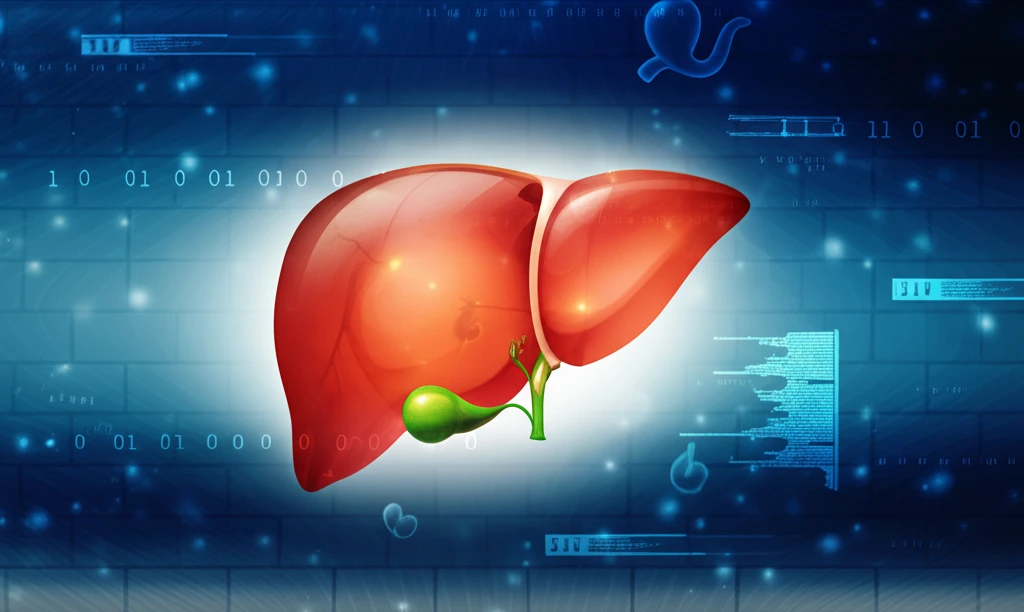
Maintaining optimal liver health is crucial for overall well-being. The liver, a powerhouse organ, plays a vital role in detoxification, metabolism, and nutrient storage. When liver issues arise, early and accurate diagnosis becomes essential.
In the realm of liver diagnostics, the Transaminases-GLDH ratio stands out as a valuable tool. This quotient, derived from liver enzyme activity, aids in differentiating between various acute and chronic liver diseases. Understanding this ratio can empower individuals and healthcare providers to make informed decisions about liver health.
This article aims to demystify the Transaminases-GLDH ratio, exploring its significance in liver diagnostics and offering insights into its interpretation. Whether you're a healthcare professional or someone keen on understanding your health better, this guide provides a comprehensive overview of this essential liver health indicator.
What is the Transaminases-GLDH Ratio?
The Transaminases-GLDH ratio is an enzymatic activity quotient used in the differential diagnosis of acute and chronic liver diseases. It is calculated from the sum of Aspartate Aminotransferase (AST) and Alanine Aminotransferase (ALT) relative to Glutamate Dehydrogenase (GLDH).
- AST (Aspartate Aminotransferase): An enzyme found in various tissues, including the liver, heart, and muscles. Elevated AST levels can indicate liver damage or muscle injury.
- ALT (Alanine Aminotransferase): Primarily found in the liver, ALT is a more specific indicator of liver damage than AST. Elevated ALT levels often suggest liver inflammation or injury.
- GLDH (Glutamate Dehydrogenase): An enzyme located in the mitochondria of liver cells. GLDH is released into the bloodstream when liver cell damage occurs, particularly in severe cases.
Empowering Your Liver Health Journey
Understanding the Transaminases-GLDH ratio is a step towards proactive liver health management. By working closely with healthcare providers and adopting healthy lifestyle choices, individuals can safeguard their liver function and overall well-being. Stay informed, stay proactive, and prioritize your liver health for a vibrant, healthy life.