
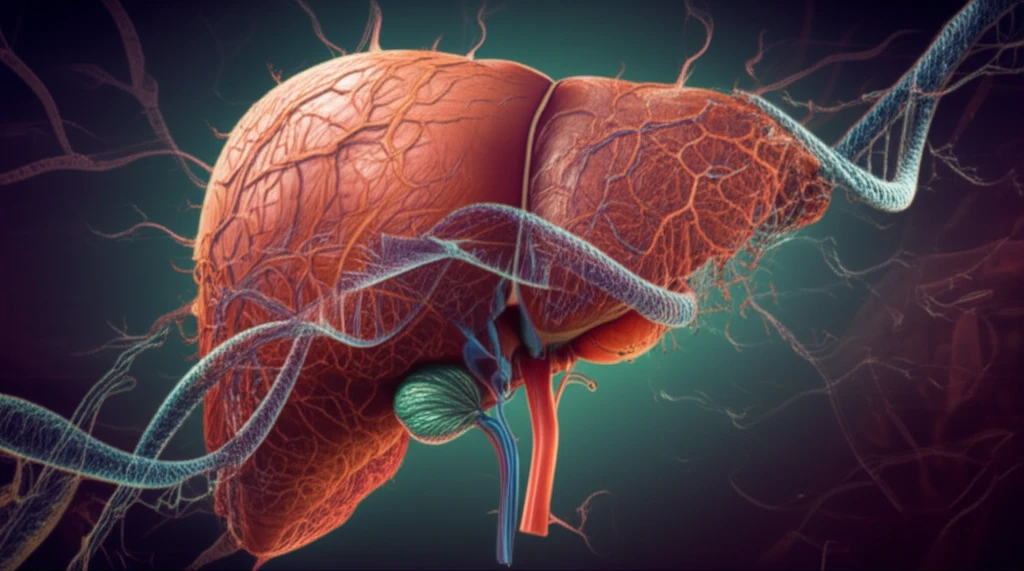
Illustration of liver biopsy and DNA

Decoding Liver Biopsies: How Specimen Size Impacts Hepatitis Diagnosis

"Unlock the secrets of liver biopsy accuracy: Specimen size, portal tracts, and the staging of chronic viral hepatitis explained."


The field of hepatology has advanced significantly since the introduction of liver biopsies as a diagnostic tool. Initially, liver biopsies were the primary method for diagnosing liver diseases. Today, while non-invasive techniques have emerged, liver biopsy remains a crucial method for assessing liver health, especially in the context of chronic viral hepatitis.

Grading and staging chronic hepatitis are essential for determining a patient's prognosis and guiding treatment decisions. Liver biopsies are also useful for excluding other potential diagnoses and evaluating conditions such as steatosis and iron overload. Though an invasive procedure, liver biopsies generally carry low risks of major complications.

With the rise of non-invasive methods like elastography for assessing liver fibrosis, the role of liver biopsy has evolved. However, liver biopsy remains the gold standard in many settings. The key question is optimizing the procedure: what constitutes an adequate liver specimen size to ensure accurate diagnosis and staging?

The Importance of Specimen Size and Portal Tracts

Illustration of liver biopsy and DNA

A recent study investigated the relationship between liver biopsy specimen size, the number of portal tracts (PTs) within the sample, and the accuracy of chronic hepatitis staging. The study evaluated 468 liver biopsies from patients with hepatitis C virus (HCV) and hepatitis B virus (HBV) infections.

The study revealed that specimen size correlates with the number of portal tracts observed. Samples were categorized by length: less than 10 mm, between 10 and 14 mm, and 15 mm or greater. A significant portion of the samples (64.4%) measured 15 mm or more. The average number of portal tracts was 17.6 ± 2.1.

  • Specimens ≥ 15 mm had a mean of 13.5 portal tracts.
  • Specimens < 15 mm had a mean of 11.4 portal tracts.
  • A statistically significant difference (p = 0.002) was found between these groups.
Moreover, the study found associations between the number of portal tracts and the stage of fibrosis. Cases with fewer than 11 portal tracts were associated with F3 fibrosis (advanced fibrosis), while cases with 11 or more portal tracts were associated with F2 fibrosis. These findings underscore the importance of obtaining an adequate specimen size to ensure representative sampling and accurate staging.

Key Takeaways and Implications

This study emphasizes the importance of liver biopsy quality, particularly in relation to specimen size and the representation of portal tracts. While non-invasive methods play an increasing role in assessing liver fibrosis, liver biopsy remains a valuable diagnostic tool.

The findings suggest that adequate specimen size is crucial for accurate staging of chronic viral hepatitis. A larger specimen size tends to yield a greater number of portal tracts, leading to more representative sampling and potentially more accurate fibrosis staging.

Ultimately, clinicians should strive to obtain liver biopsy specimens of sufficient size to ensure reliable diagnoses and informed treatment decisions. While a minimum of 11 portal tracts has been suggested, this study indicates that even fewer portal tracts (more than 5) can still provide valuable information for staging, if the specimen is well-obtained and carefully analyzed.

About this Article -

This article was crafted using a human-AI hybrid and collaborative approach. AI assisted our team with initial drafting, research insights, identifying key questions, and image generation. Our human editors guided topic selection, defined the angle, structured the content, ensured factual accuracy and relevance, refined the tone, and conducted thorough editing to deliver helpful, high-quality information.See our About page for more information.

This article is based on research published under:

DOI-LINK: 10.1590/s1678-9946201658010, Alternate LINK

Title: Liver Biopsy: Importance Of Specimen Size In The Diagnosis And Staging Of Chronic Viral Hepatitis

Subject: Infectious Diseases

Journal: Revista do Instituto de Medicina Tropical de São Paulo

Publisher: FapUNIFESP (SciELO)

Authors: Gabriela P. Coral, Aline Dal Pozzo Antunes, Ana Paula Almeida Serafini, Fernanda B. Araujo, Angelo Alves De Mattos

Published: 2016-01-01

Everything You Need To Know

1

Why are liver biopsies still important in diagnosing and managing liver diseases, especially chronic viral hepatitis?

Liver biopsies remain a crucial method for assessing liver health, especially in cases of chronic viral hepatitis. They are essential for grading and staging chronic hepatitis, which helps determine a patient's prognosis and guide treatment decisions. Additionally, liver biopsies can exclude other potential diagnoses and evaluate conditions like steatosis and iron overload. While non-invasive methods such as elastography are increasingly used, liver biopsy often remains the gold standard for diagnostic accuracy.

2

How does the size of a liver biopsy specimen relate to the number of portal tracts that can be observed?

The number of portal tracts observed in a liver biopsy sample is directly related to the specimen's size. Larger specimens, specifically those 15 mm or greater, tend to contain a higher number of portal tracts. A study showed specimens ≥ 15 mm had a mean of 13.5 portal tracts, while those < 15 mm had a mean of 11.4 portal tracts. This difference is statistically significant and impacts the accuracy of fibrosis staging.

3

How does the number of portal tracts in a liver biopsy sample influence the staging of fibrosis in chronic viral hepatitis?

The number of portal tracts found within a liver biopsy sample can influence the staging of fibrosis in patients with chronic viral hepatitis. Cases with fewer than 11 portal tracts were associated with F3 fibrosis (advanced fibrosis), while cases with 11 or more portal tracts were associated with F2 fibrosis. This suggests that an adequate number of portal tracts is essential for accurate assessment of the stage of liver disease.

4

Why is it important to have an adequate liver biopsy specimen size when diagnosing chronic viral hepatitis?

An adequate liver biopsy specimen size is crucial for accurate diagnosis and staging of chronic viral hepatitis. The size of the specimen correlates with the number of portal tracts, which are essential for assessing the stage of fibrosis. Specimens that are too small may not provide a representative sample of the liver, leading to inaccurate staging and potentially impacting treatment decisions. Aiming for a specimen size of 15 mm or greater is recommended to ensure sufficient portal tracts are included.

5

With the rise of non-invasive methods, what unique benefits do liver biopsies still offer in assessing liver health?

While non-invasive methods like elastography are increasingly used to assess liver fibrosis, liver biopsy continues to provide unique insights. It allows for direct visualization of liver tissue, enabling the detection of subtle changes and exclusion of other potential diagnoses that non-invasive methods might miss. Moreover, liver biopsy remains the gold standard in situations where non-invasive results are inconclusive or when a more comprehensive assessment of liver health is needed, especially in the context of chronic viral hepatitis.

Newsletter Subscribe

Subscribe to get the latest articles and insights directly in your inbox.