
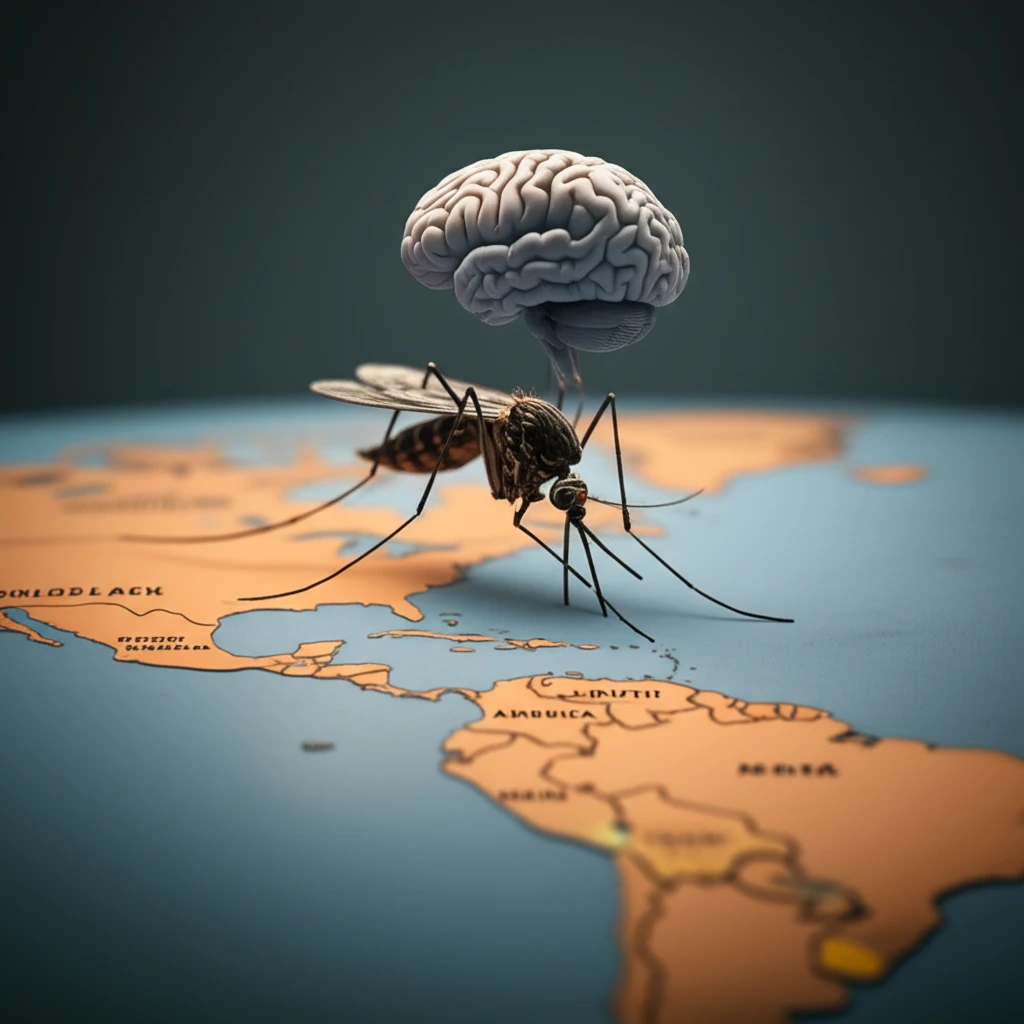
Decoding La Crosse Encephalitis: Why This Virus Deserves More Attention

"Despite its neurological risks, La Crosse Virus research lags behind Zika and Chikungunya. Discover why experts are calling for increased vigilance and preventive measures."
La Crosse Encephalitis (LCE), caused by the La Crosse virus (LACV), is a mosquito-borne illness primarily affecting the brain. Belonging to the Bunyaviridae family and transmitted mainly by Aedes triseriatus mosquitoes, LACV is prevalent in Latin America, the Caribbean, and the United States, especially in the Appalachian and Midwestern regions.
Recent years have seen a concerning rise in LCE cases in the southeastern United States. Health experts believe this increase is partly due to the spread of Aedes albopictus, another mosquito species capable of transmitting LACV. Unlike Aedes aegypti, which is not an efficient vector, Aedes albopictus has become a more common carrier in many areas, heightening the risk of infection.
Given these trends, an observational and descriptive study was conducted to analyze the global scientific research on LACV. This bibliometric study examined scientific publications from three major databases—Science Citation Index (SCI), Scopus, and Medline/PubMed—to assess the extent and focus of current research efforts.
Why La Crosse Virus Research Needs a Boost: Comparing It to Other Viral Threats
The study's findings reveal a significant disparity in research attention between LACV and other viral diseases. While viruses like Zika, Mayaro, and Chikungunya have garnered extensive research efforts, LACV remains comparatively understudied. This gap raises concerns, especially considering LACV's potential to cause neurological complications.
- Limited Global Research: Only 32 related records were retrieved in the search across major scientific databases.
- Geographic Concentration: The majority of studies originated from the United States and Brazil.
- Key Institutions and Authors: The Centers for Disease Control and Prevention (CDC) was identified as the institution with the most research output, with DeFoliart recognized as a leading author in the field.
- Database Discrepancies: No articles were recorded in the SciELO, LILACS, and IMBIOMED databases, indicating a lack of research in these Spanish-language resources.
The Imperative for Increased Research and Prevention
Given the relatively low research output on LACV compared to other viral threats, there is a clear need to foster greater cooperation and research efforts. With increasing global mobility, LACV poses a risk to travelers' health, underscoring the importance of understanding and preventing its spread. Currently, no specific treatment or vaccine exists for LACV, making preventive measures and further research all the more critical.