
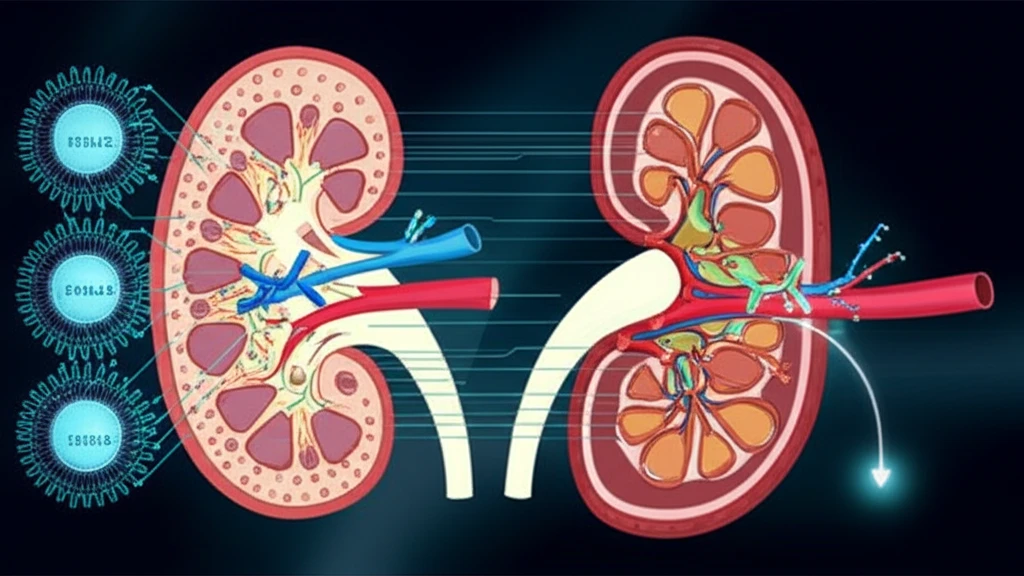
Decoding Kidney Health: How Your Body Fights Back Against Transplant Rejection

"Understanding Antibody-Mediated Rejection and the Role of the Complement Pathway"
Kidney transplants offer a new lease on life for individuals battling end-stage renal disease. However, the journey doesn't end with the surgery. The body's immune system, designed to protect against foreign invaders, can sometimes see the new kidney as a threat, leading to rejection. Understanding the mechanisms behind this rejection is crucial for improving long-term outcomes for transplant recipients.
One of the key players in this immune response is the complement pathway, a critical part of our immune system. This intricate network of proteins works to eliminate pathogens and damaged cells. In the context of a transplant, the complement pathway can be activated, leading to antibody-mediated rejection (ABMR), a significant cause of kidney transplant failure.
This article delves into the complexities of ABMR, exploring how it affects kidney transplant recipients and the ongoing research aimed at improving detection and treatment strategies. We'll examine the latest findings on complement pathway monitoring and the potential for new interventions.
Unraveling Antibody-Mediated Rejection: The Body's Defense Gone Awry
Antibody-mediated rejection (ABMR) is a serious complication following kidney transplantation. It occurs when the recipient's immune system produces antibodies that target the donor kidney. These antibodies, known as donor-specific antibodies (DSAs), recognize the transplanted kidney as foreign and initiate an immune response.
- Donor-Specific Antibodies (DSAs): Antibodies that target the donor kidney.
- Complement Activation: A cascade of proteins amplifying the immune response.
- Inflammation: The body's reaction to the perceived threat.
- Graft Dysfunction: Decline in the kidney's ability to function.
The Future of Kidney Transplant Care: New Approaches and Promising Avenues
The ongoing research into ABMR and the complement pathway offers hope for improved outcomes in kidney transplantation. By understanding the intricate mechanisms involved in rejection, healthcare professionals can develop more effective diagnostic tools and targeted therapies. This includes exploring ways to modulate the complement pathway and reduce its damaging effects, ultimately improving the long-term health and quality of life for kidney transplant recipients.