
Decoding Hitler's Blindness: Fact, Fiction, and the Shadows of World War I

"Delving into a little-known episode, we examine the controversial claims of Adolf Hitler's 'hysterical blindness' during World War I, exploring the historical context, medical theories, and the enduring mysteries surrounding this fascinating case."
The trenches of World War I were not just a battleground for soldiers; they became a stage for the human psyche, where the horrors of war manifested in ways both visible and unseen. Amidst the chaos and carnage, a peculiar case emerged: Adolf Hitler's alleged 'hysterical blindness.' This article delves into the murky waters of this episode, exploring the historical claims, the medical assessments, and the lingering questions that continue to intrigue historians and researchers.
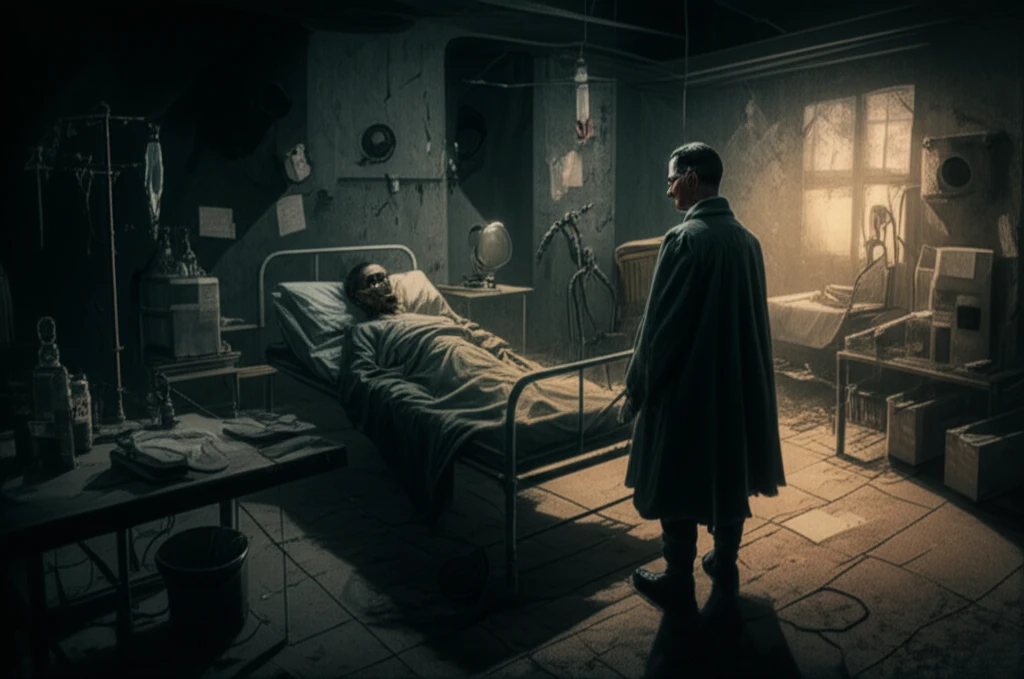
The story unfolds in Pasewalk, a small town near the Polish border, where a young Austrian messenger named Adolf Hitler was admitted to a military hospital in 1918. According to the historical accounts, Hitler, then a 29-year-old corporal, claimed to be blind, a condition attributed to gas exposure during a battle. But was this a genuine medical condition, or something far more complex?
As we examine the evidence, we'll navigate through the medical theories of the time, the individuals involved, and the enduring debates surrounding the veracity of Hitler's blindness. This article aims to provide a balanced and informative perspective, unraveling the threads of fact and fiction in this compelling chapter of history.
The Pasewalk Incident: Unveiling the Narrative
The narrative begins in October 1918, towards the end of the Great War. Hitler, serving in the 16th Bavarian Infantry Regiment, was reportedly affected by a mustard gas attack. Following the attack, he was transferred to a military hospital in Pasewalk. It was here that the central episode unfolded. Hitler insisted that he was blind, a condition that, according to him, was a result of the gas exposure. However, the medical assessments conducted at the time painted a more intricate picture.
- Hysterical Blindness: A condition where blindness has a psychological, rather than physical, cause.
- War Neurosis: Psychological trauma stemming from war, including symptoms such as paralysis, deafness, and blindness.
- Mustard Gas Exposure: Chemical warfare agent causing severe irritation and potential damage to the eyes and lungs.
- Pasewalk Hospital: A military hospital in Germany where Hitler was treated.
The Shadows of Doubt and the Enduring Legacy
The case of Hitler's blindness raises critical questions about the interplay of history, psychology, and power. The historical accounts, medical assessments, and the context of the time offer a complex perspective of this controversial episode. Did Hitler genuinely experience a psychological trauma, or was it a calculated act? The ambiguities of this episode call us to examine the nature of truth, the role of individual narratives, and the lasting impact of war on the human condition.