
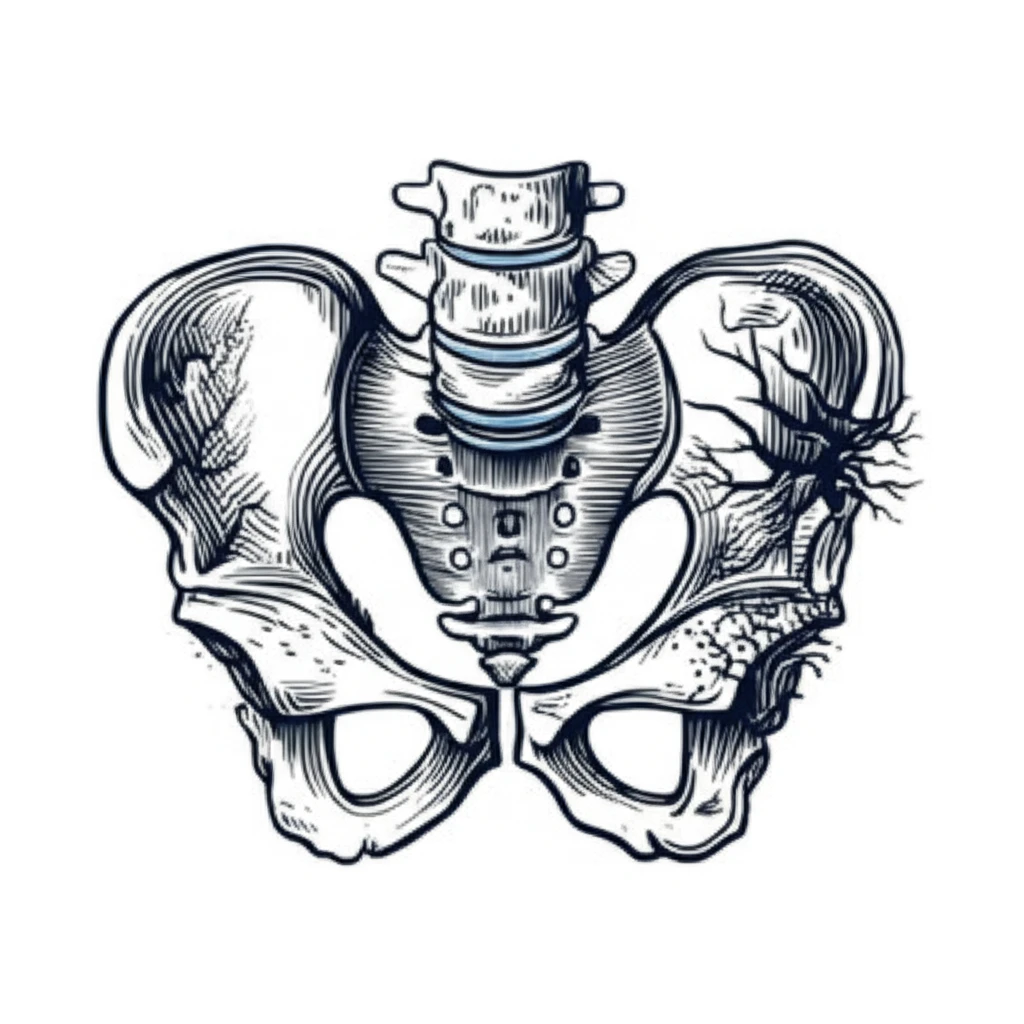
Decoding Hip Pain: Are Your Clinical Tests Missing the Mark?

"New research reveals the limitations of common clinical tests in diagnosing gluteal tendinopathy, urging a re-evaluation of diagnostic approaches for more accurate patient care."
Hip pain, particularly lateral hip pain, is a common complaint that can significantly impact daily life. Gluteal tendinopathy (GT), a condition affecting the tendons around the hip, is increasingly recognized as a frequent source of this pain. However, diagnosing GT accurately can be challenging. Often, its symptoms mimic or coexist with other conditions, such as lumbar spine issues or hip osteoarthritis, leading to misdiagnosis and inappropriate treatment.
Traditionally, healthcare providers rely on a combination of physical examinations and clinical tests to identify the root cause of hip pain. Yet, recent research suggests that these conventional methods may not be as reliable as previously thought. Many patients with GT are misdiagnosed, resulting in unnecessary spinal investigations and surgical procedures, highlighting the urgent need for more accurate diagnostic tools.
A study published in the British Journal of Sports Medicine sheds light on the limitations of common clinical tests in diagnosing gluteal tendinopathy. The study evaluates the diagnostic utility of several physical tests against MRI findings, offering valuable insights into which tests are most effective—and which may be leading us astray. This article delves into the findings, exploring the implications for clinicians and individuals experiencing persistent hip pain.
The Trouble with Traditional Tests: Why Clinical Exams Fall Short
The study, led by Alison Grimaldi and her team, involved sixty participants reporting lateral hip pain. Each participant underwent a series of clinical tests commonly used to diagnose GT. These tests included:
- FADER (Flexion, Adduction, External Rotation): Passive hip flexion to 90° with adduction to the end of range and external rotation.
- FADER-R (FADER with Resistance): The FADER test performed with static resisted hip internal rotation.
- FABER (Flexion, Abduction, External Rotation): Hip flexion, abduction, and external rotation.
- ADD (Adduction in Sidelying): Passive end-of-range hip adduction while lying on the side.
- ADDR (Resisted Adduction in Sidelying): Adduction in sidelying with static resisted abduction at the end of range.
- Palpation: Physical examination involving palpation of the greater trochanter to identify tenderness.
Rethinking the Approach: Towards More Accurate Diagnoses
The study underscores the need for a more nuanced approach to diagnosing gluteal tendinopathy. Relying solely on traditional clinical tests may lead to misdiagnosis and ineffective treatment strategies. Integrating MRI findings with clinical assessments can significantly improve diagnostic accuracy, ensuring that individuals receive the most appropriate and effective care for their hip pain. For those experiencing persistent lateral hip pain, seeking a comprehensive evaluation that includes advanced imaging techniques may be the key to unlocking lasting relief and recovery.