
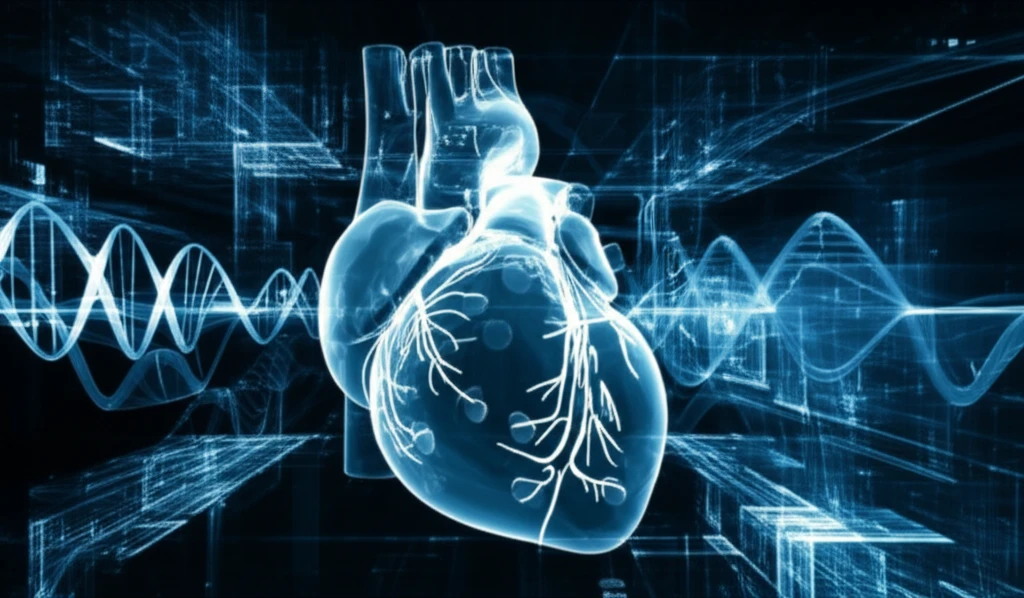
Glowing heart with electrical pathways.

Decoding Heart Rhythms: Your Guide to Cardiac Electrophysiology Clinics

"Stay Informed About the Latest Advances in Heart Health and Arrhythmia Management."


Cardiac electrophysiology is a dynamic field, constantly evolving with new research and technological advancements. For healthcare professionals and anyone interested in heart health, staying current with these developments is crucial for providing the best possible care and understanding the latest treatment options.

This article offers a curated overview of key topics in cardiac electrophysiology, drawing from recent publications in the field. We'll explore advancements in areas like arrhythmia management, cardiac mapping, catheter ablation, and device implantation, providing a clear and accessible understanding of these complex subjects.

Whether you're a seasoned cardiologist, a medical student, or simply someone keen to learn more about the intricacies of heart rhythm and its treatment, this guide provides valuable insights into the ever-changing landscape of cardiac electrophysiology clinics.

Understanding Arrhythmias: From Mapping to Treatment

Glowing heart with electrical pathways.

Arrhythmias, or irregular heartbeats, can range from benign to life-threatening. Understanding their mechanisms and having effective treatment strategies are paramount. Here's a look at some key areas:

Interpreting Complex Arrhythmias: Part III: This installment focuses on the complexities of diagnosing and managing various arrhythmias. Expect insights into advanced diagnostic techniques and treatment algorithms.

  • Cardiac Resynchronization Therapy (CRT): CRT is a proven therapy for heart failure patients with conduction delays. It involves implanting a device that coordinates the contractions of the heart's ventricles, improving overall heart function.
  • His Bundle Pacing: An alternative pacing strategy that involves stimulating the heart's natural conduction system. This can lead to more physiological heart contractions compared to traditional right ventricular pacing.
  • Contemporary Issues in Patients with Implantable Devices: Managing patients with pacemakers and implantable cardioverter-defibrillators (ICDs) requires careful consideration of device function, battery life, lead management, and potential complications.
Advances in Cardiac Mapping and Catheter Ablation: Part I: Catheter ablation is a minimally invasive procedure used to treat various arrhythmias. It involves using radiofrequency energy to create small scars in the heart tissue that disrupt the abnormal electrical pathways causing the arrhythmia.

The Future of Cardiac Electrophysiology

The field of cardiac electrophysiology is constantly advancing, with ongoing research and development of new technologies. These advancements hold the promise of improving the diagnosis and treatment of heart rhythm disorders, leading to better outcomes for patients.

Staying informed about these developments is crucial for healthcare professionals and anyone interested in heart health. By understanding the latest research and clinical updates, we can work together to improve the lives of those affected by arrhythmias and other heart conditions.

For further information and access to comprehensive resources, visit www.theclinics.com.

About this Article -

This article was crafted using a human-AI hybrid and collaborative approach. AI assisted our team with initial drafting, research insights, identifying key questions, and image generation. Our human editors guided topic selection, defined the angle, structured the content, ensured factual accuracy and relevance, refined the tone, and conducted thorough editing to deliver helpful, high-quality information.See our About page for more information.

Everything You Need To Know

1

What exactly is cardiac electrophysiology and why is it important?

Cardiac electrophysiology is a specialized field focused on the electrical activity of the heart. It's important because it directly addresses heart rhythm disorders, which can range from harmless to life-threatening. Understanding this field is crucial for anyone interested in heart health or for healthcare professionals looking to stay updated on treatment options. The implications of cardiac electrophysiology include improved diagnostic techniques, advanced treatment options like catheter ablation and device implantation, and ultimately, better patient outcomes through improved arrhythmia management.

2

What are arrhythmias, and why is their treatment so important?

Arrhythmias are irregular heartbeats, and the focus is on understanding their mechanisms and developing effective treatment strategies. The significance lies in their potential to cause serious health issues. The various types include Cardiac Resynchronization Therapy (CRT), His Bundle Pacing, and management of patients with Implantable Devices. These are all methods designed to address and correct abnormal heart rhythms, which in turn leads to better patient outcomes and improved quality of life.

3

What is catheter ablation and why is it a significant advancement?

Catheter ablation is a minimally invasive procedure used to treat arrhythmias by using radiofrequency energy to create small scars in the heart tissue. This is a key advancement in arrhythmia treatment because it can eliminate the source of irregular heartbeats without open-heart surgery. The implications are significant, offering a less invasive option for patients, potentially reducing the need for long-term medication and improving the overall management of cardiac arrhythmias.

4

What is Cardiac Resynchronization Therapy (CRT), and what are the benefits of using it?

Cardiac Resynchronization Therapy (CRT) is a treatment for heart failure patients with conduction delays. It involves implanting a device to coordinate the contractions of the ventricles. The importance of CRT is in its ability to improve heart function and the patient's quality of life. The implications of using CRT include better heart function, reduced symptoms of heart failure, and improved survival rates for those patients who have conduction delays.

5

Why is the management of implantable devices important?

Implantable devices, such as pacemakers and implantable cardioverter-defibrillators (ICDs), require careful management. Contemporary issues include device function, battery life, lead management, and potential complications. This is crucial because these devices are life-saving for many patients with heart rhythm disorders. The implications of these devices include a need for ongoing monitoring, regular check-ups, and understanding potential risks associated with the devices.

Newsletter Subscribe

Subscribe to get the latest articles and insights directly in your inbox.