
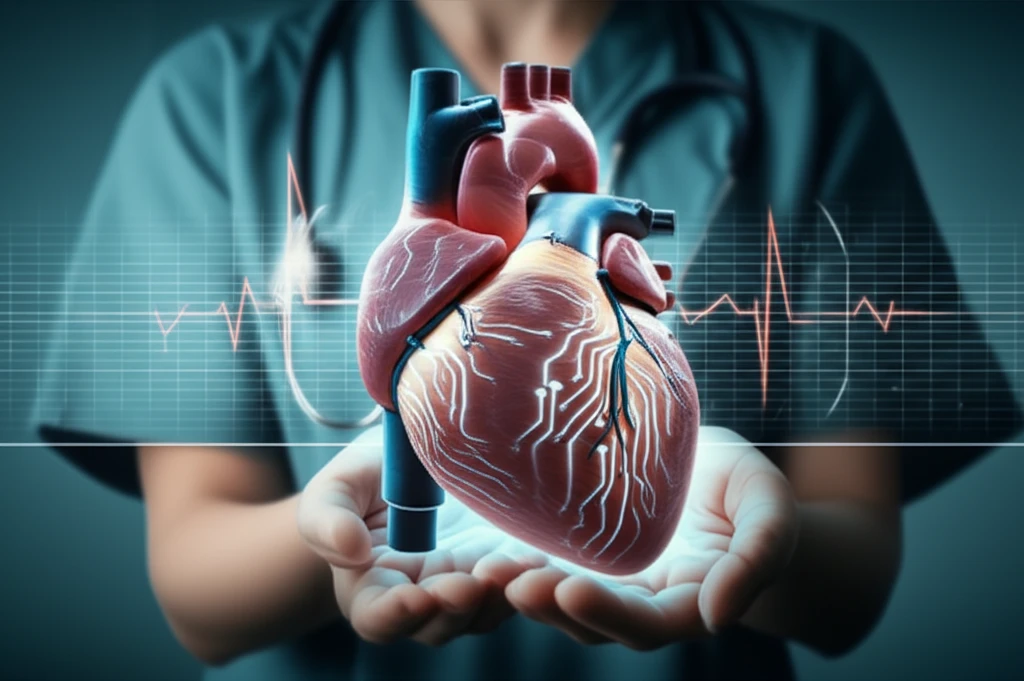
Illustration of a heart with electrical circuit elements, symbolizing AFib diagnosis and treatment. A doctor is holding the heart.

Decoding Heart Health: How Doctors Diagnose and Treat Atrial Fibrillation

"Understanding Atrial Fibrillation (AF) and Its Impact on Your Heart: A Guide to Diagnosis and Treatment."


Your heart is the engine of your life, tirelessly pumping blood to every corner of your body. But what happens when that engine stutters? Atrial Fibrillation, or AFib, is one such hiccup, a condition where the heart's upper chambers beat irregularly, often rapidly. This irregular rhythm can lead to a host of problems, from fatigue and shortness of breath to more serious conditions like stroke.

AFib is a common condition, particularly as we age, and while it might sound scary, it's also very manageable. The key lies in understanding how it's diagnosed and treated. This article will serve as your guide, breaking down the steps doctors take to identify AFib, the range of treatment options available, and how you can work with your healthcare team to keep your heart healthy.

We'll delve into the diagnostic process, explore different treatment strategies, and offer a clear perspective on how to navigate this condition. Whether you're experiencing symptoms, have a family history, or simply want to be proactive about your heart health, this article provides the knowledge and reassurance you need.

Unraveling the Diagnostic Process: How Doctors Detect Atrial Fibrillation

Illustration of a heart with electrical circuit elements, symbolizing AFib diagnosis and treatment. A doctor is holding the heart.

When you visit a doctor with concerns about your heart, the diagnostic process for AFib typically begins with a thorough assessment. The doctor will start by asking about your symptoms, which can include anything from palpitations (feeling like your heart is racing, fluttering, or skipping beats) to fatigue, dizziness, and shortness of breath. They'll also inquire about your medical history, including any existing conditions and family history of heart disease.

The cornerstone of AFib diagnosis is the electrocardiogram (ECG or EKG). This simple, painless test records the electrical activity of your heart. Electrodes are attached to your skin to detect the heart's electrical signals. In individuals with AFib, the ECG will reveal an irregular and often rapid heartbeat. Further tests may be done to get an accurate diagnosis.

  • Electrocardiogram (ECG/EKG): Detects irregular heartbeats, the hallmark of AFib.
  • Holter Monitor: A portable ECG worn for 24-48 hours to monitor the heart's activity over an extended period, useful if AFib occurs sporadically.
  • Event Recorder: Another portable device, activated by the patient when they experience symptoms.
  • Echocardiogram: Uses sound waves to create images of the heart, assessing its structure and function.
  • Blood Tests: Can help rule out other conditions that may cause similar symptoms, like thyroid problems.
Once diagnosed, the doctor will assess the severity and frequency of your AFib to determine the best course of treatment. This includes evaluating the risk of stroke, which is higher in people with AFib. The CHA2DS2-VASc score is often used to estimate stroke risk, considering factors like age, high blood pressure, diabetes, and prior stroke or TIA (transient ischemic attack).

Empowering Your Heart Health Journey: Taking Control of AFib

Understanding AFib, its diagnosis, and its treatment options is the first step in taking control of your heart health. By working closely with your doctor, adopting healthy lifestyle habits, and staying informed, you can manage AFib effectively and live a full, active life. Remember, AFib is a manageable condition, and with the right care, you can keep your heart beating strong for years to come.

About this Article -

This article was crafted using a human-AI hybrid and collaborative approach. AI assisted our team with initial drafting, research insights, identifying key questions, and image generation. Our human editors guided topic selection, defined the angle, structured the content, ensured factual accuracy and relevance, refined the tone, and conducted thorough editing to deliver helpful, high-quality information.See our About page for more information.

Everything You Need To Know

1

What is Atrial Fibrillation (AFib) and how does it affect the heart?

Atrial Fibrillation (AFib) is a condition where the heart's upper chambers beat irregularly and often rapidly. This irregular rhythm disrupts the normal flow of blood through the heart. The irregular beating can lead to symptoms like fatigue, shortness of breath, and, more seriously, an increased risk of stroke. AFib's impact stems from the inefficient pumping of blood, potentially causing blood clots and other complications.

2

How is Atrial Fibrillation (AFib) diagnosed?

The diagnosis of Atrial Fibrillation (AFib) typically begins with a review of symptoms and medical history. The cornerstone of diagnosis is the electrocardiogram (ECG or EKG), a simple test that records the electrical activity of the heart and can reveal an irregular and often rapid heartbeat. Additional tests, like the Holter Monitor and Event Recorder, may be used to monitor the heart's activity over a longer period. An Echocardiogram and Blood Tests are also used to further assess the heart's structure and function, and to rule out other possible causes of symptoms.

3

What is the purpose of an ECG in diagnosing Atrial Fibrillation (AFib)?

The electrocardiogram (ECG or EKG) is a crucial tool in diagnosing Atrial Fibrillation (AFib). It's a non-invasive test that detects the electrical activity of the heart using electrodes placed on the skin. In individuals with AFib, the ECG will show an irregular and often rapid heartbeat. This irregularity is a key indicator of AFib, allowing doctors to identify the condition and start the process of determining the best course of treatment.

4

Besides the ECG, what other diagnostic tools are used to detect Atrial Fibrillation (AFib), and when are they applied?

Besides the ECG/EKG, several other diagnostic tools are employed to detect Atrial Fibrillation (AFib). The Holter Monitor, a portable ECG, is used to monitor the heart's activity continuously for 24-48 hours, which is especially useful if AFib occurs sporadically. The Event Recorder, another portable device, is activated by the patient when symptoms are experienced. An Echocardiogram is used to assess the heart's structure and function, while blood tests can help rule out other conditions with similar symptoms like thyroid problems. These tools provide a comprehensive view of the heart's function and help determine the appropriate treatment strategy.

5

How does a doctor determine the best treatment approach after an Atrial Fibrillation (AFib) diagnosis?

After diagnosing Atrial Fibrillation (AFib), a doctor will assess the severity and frequency of the condition to determine the best treatment approach. This assessment includes evaluating the risk of stroke, which is elevated in individuals with AFib. The CHA2DS2-VASc score is often used to estimate this risk, considering factors such as age, high blood pressure, diabetes, and prior stroke or TIA (transient ischemic attack). The doctor will then develop a personalized treatment plan, which may include medication, lifestyle changes, or other interventions, aimed at managing the AFib and reducing the risk of complications.

Newsletter Subscribe

Subscribe to get the latest articles and insights directly in your inbox.