
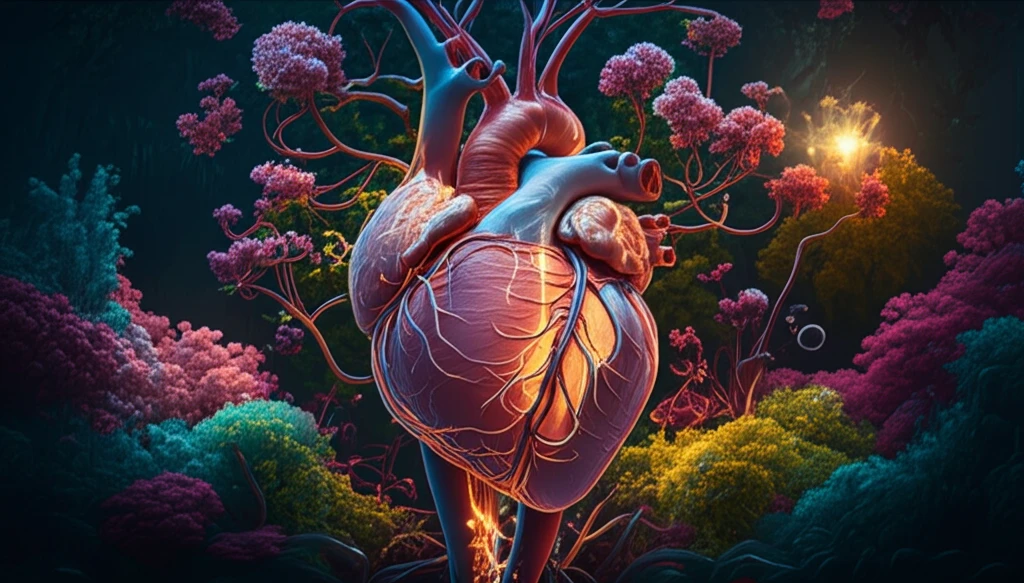
Illustration of a healthy heart intertwined with vibrant, blooming arteries, symbolizing growth and well-being.

Decoding Heart Health: A Guide to Understanding Common Cardiac Conditions and Treatments

"Empowering You with Knowledge: Navigating heart disease, arrhythmias, heart failure and the latest medical advancements for a healthier life."


Heart disease is a broad term encompassing a range of conditions that affect the heart. Understanding these conditions, their risk factors, and available treatments is crucial for maintaining cardiovascular health and preventing serious complications. This article serves as a comprehensive guide, breaking down complex medical information into accessible insights for everyone.

Whether you're looking to understand a recent diagnosis, explore preventative measures, or simply learn more about heart health, this resource provides valuable information to empower you in making informed decisions about your care. We'll explore common cardiac conditions such as coronary artery disease, arrhythmias, and heart failure, along with the latest advancements in treatment and management.

This isn't about scaring you; it's about arming you with the knowledge you need to live a healthier, more informed life. Let's embark on this journey to understand your heart and how to best care for it.

Understanding Coronary Artery Disease (CAD)

Illustration of a healthy heart intertwined with vibrant, blooming arteries, symbolizing growth and well-being.

Coronary artery disease (CAD) is one of the most common heart conditions, characterized by the buildup of plaque in the coronary arteries, which supply blood to the heart muscle. This plaque buildup, known as atherosclerosis, can narrow the arteries, reducing blood flow and potentially leading to chest pain (angina), shortness of breath, or even a heart attack.

A significant study published in The American Journal of Cardiology examined the use of drug-eluting stents in percutaneous coronary intervention (PCI) for acute myocardial infarction (AMI) in Korea over a 10-year period. The study, involving the Korea Acute Myocardial Infarction Registry (KAMIR), highlighted the effectiveness of drug-eluting stents in improving outcomes for patients undergoing PCI for AMI.

  • Drug-eluting stents: These stents are coated with medication that helps prevent the arteries from re-narrowing after the procedure.
  • Percutaneous coronary intervention (PCI): A minimally invasive procedure to open blocked coronary arteries.
  • Acute myocardial infarction (AMI): Commonly known as a heart attack, occurs when blood flow to the heart muscle is severely reduced or blocked.
Beyond stents, managing CAD involves lifestyle modifications such as adopting a heart-healthy diet, engaging in regular physical activity, quitting smoking, and managing stress. Medications, including statins to lower cholesterol and antiplatelet drugs to prevent blood clots, also play a crucial role in managing CAD and reducing the risk of future cardiac events.

Taking Control of Your Heart Health

Understanding the complexities of heart health is the first step toward taking control of your cardiovascular well-being. By staying informed about the latest research, embracing a heart-healthy lifestyle, and working closely with your healthcare provider, you can significantly reduce your risk of heart disease and live a longer, healthier life. Remember, your heart is in your hands – make every beat count.

About this Article -

This article was crafted using a human-AI hybrid and collaborative approach. AI assisted our team with initial drafting, research insights, identifying key questions, and image generation. Our human editors guided topic selection, defined the angle, structured the content, ensured factual accuracy and relevance, refined the tone, and conducted thorough editing to deliver helpful, high-quality information.See our About page for more information.

Everything You Need To Know

1

What is coronary artery disease (CAD), and how does it affect the heart?

Coronary artery disease (CAD) develops due to plaque buildup, a process called atherosclerosis, in the coronary arteries. This buildup narrows the arteries, restricting blood flow to the heart. Reduced blood flow can cause angina (chest pain), shortness of breath, or a heart attack (acute myocardial infarction, AMI). Managing CAD involves lifestyle changes such as a heart-healthy diet, regular exercise, and quitting smoking. Medications like statins and antiplatelet drugs are also prescribed to lower cholesterol and prevent blood clots, further reducing the risk of cardiac events.

2

How do drug-eluting stents work in percutaneous coronary intervention (PCI), and what impact do they have on heart attack outcomes?

Drug-eluting stents are used during percutaneous coronary intervention (PCI) to treat coronary artery disease (CAD). These stents are coated with medication that prevents the arteries from re-narrowing after the PCI procedure. The Korea Acute Myocardial Infarction Registry (KAMIR) study demonstrated the effectiveness of drug-eluting stents in improving outcomes for patients undergoing PCI for acute myocardial infarction (AMI). The use of these stents is crucial in maintaining artery patency and preventing future cardiac events.

3

Can you explain the percutaneous coronary intervention (PCI) procedure and when it is typically used?

Percutaneous coronary intervention (PCI) is a minimally invasive procedure used to open blocked coronary arteries, commonly in cases of coronary artery disease (CAD) and acute myocardial infarction (AMI). During PCI, a catheter is inserted into a blood vessel and guided to the blocked artery. A balloon is then inflated to widen the artery, and a stent, often a drug-eluting stent, is placed to keep the artery open. This restores blood flow to the heart muscle, reducing symptoms like angina and the risk of heart attack. PCI is often coupled with lifestyle modifications and medication for comprehensive heart health management.

4

What happens during an acute myocardial infarction (AMI) and what immediate steps are taken to treat it?

Acute myocardial infarction (AMI), commonly known as a heart attack, occurs when blood flow to the heart muscle is severely reduced or blocked, often due to coronary artery disease (CAD). This blockage deprives the heart muscle of oxygen, leading to damage or death of heart tissue. Symptoms include chest pain, shortness of breath, and sweating. Treatment typically involves prompt medical intervention, including percutaneous coronary intervention (PCI) with drug-eluting stents to restore blood flow and prevent further damage. Managing risk factors like high cholesterol, smoking, and high blood pressure is crucial in preventing future AMIs.

5

What information is missing regarding lifestyle interventions and proactive measures for maintaining heart health?

While the significance of lifestyle modifications such as diet and exercise are mentioned in the context of managing coronary artery disease (CAD), the specific dietary recommendations or exercise routines for optimal heart health are not detailed. Also, specific recommendations for stress management techniques beyond simply 'managing stress' are not provided. A more detailed discussion of these topics, along with specific guidance on what constitutes a heart-healthy diet and effective stress reduction strategies, would provide more actionable information for readers. Additionally, more information on the role of regular checkups and screenings in preventing and managing cardiac conditions could further enhance understanding and promote proactive heart health management.

Newsletter Subscribe

Subscribe to get the latest articles and insights directly in your inbox.