
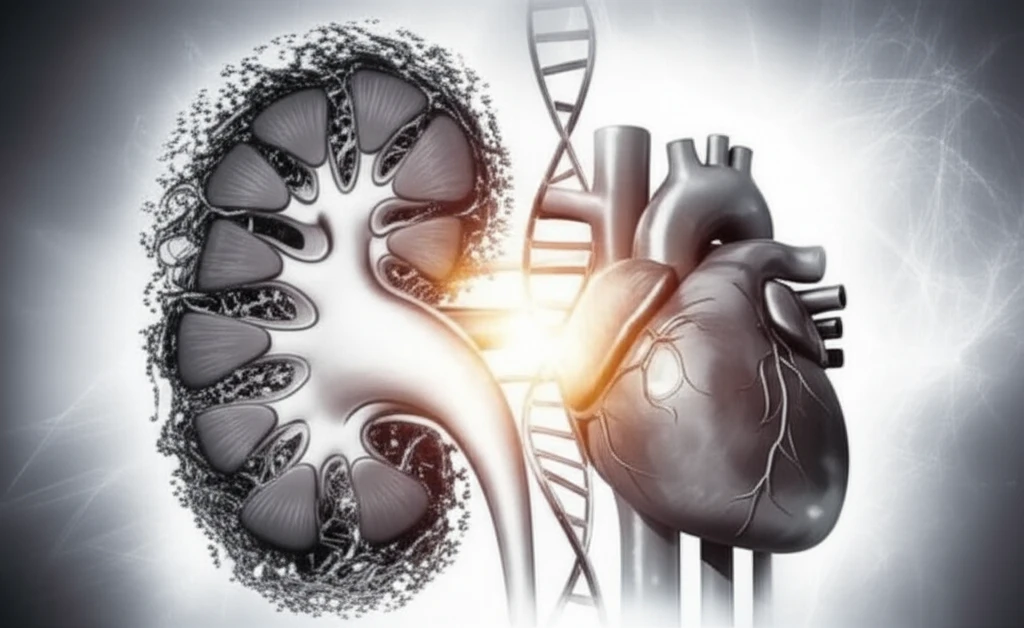
Symbolic representation of genetic code intertwining with kidney and heart structures.

Decoding Fabry Disease and Pompe Disease: What You Need to Know

"Unveiling the complexities of rare genetic disorders: advances in diagnosis, treatment, and immune tolerance."


Fabry disease (FD) and Pompe disease are rare, inherited disorders that pose significant diagnostic and therapeutic challenges. Both conditions result from genetic defects that disrupt essential cellular processes, leading to a range of symptoms that can affect multiple organ systems. Understanding these diseases is crucial for early detection, appropriate management, and improving patient outcomes.

Fabry disease, often leading to end-stage renal disease (ESRD), is frequently overlooked, delaying treatment for affected individuals. Pompe disease, on the other hand, is characterized by the deficiency of acid alpha-glucosidase (GAA), leading to glycogen accumulation in muscles. Both diseases require a multidisciplinary approach for accurate diagnosis and personalized care.

Recent research has focused on optimizing immune tolerance in gene therapy for inherited disorders like FD and Pompe disease. These efforts aim to enhance the efficacy and safety of treatments by minimizing adverse immune responses. This article dives into the complexities of these diseases, explores cutting-edge research, and offers actionable insights for patients, families, and healthcare professionals.

Fabry Disease: Early Detection and Management

Symbolic representation of genetic code intertwining with kidney and heart structures.

Fabry disease often presents with a range of symptoms that can affect the kidneys, heart, brain, and nervous system. A significant concern is its progression to end-stage renal disease (ESRD), highlighting the importance of early diagnosis and intervention. Despite the availability of treatments, Fabry disease is frequently underdiagnosed, delaying necessary care.

One study highlighted the diagnosis and treatment of Fabry disease in a 38-year-old male with ESRD on hemodialysis. Genetic analysis revealed a specific mutation (c.902G>A) in the GLA gene, confirming the diagnosis. This case underscores the need for screening Fabry disease in ESRD patients, even in individuals with seemingly unrelated conditions.

  • Screening in ESRD Patients: Implementing routine screening protocols for Fabry disease in patients with ESRD can help identify hidden cases and ensure timely treatment.
  • Genetic Testing: Genetic analysis plays a crucial role in confirming the diagnosis of Fabry disease, especially in individuals with low a-galactosidase A activity.
  • Multidisciplinary Approach: Effective management of Fabry disease requires a collaborative effort among nephrologists, cardiologists, neurologists, and geneticists.
Early diagnosis and management are crucial for slowing the progression of Fabry disease and improving patient outcomes. Enzyme replacement therapy and other supportive treatments can help alleviate symptoms and prevent complications. Raising awareness among healthcare professionals and the public is essential for ensuring that individuals with Fabry disease receive the care they need.

Optimizing Gene Therapy and Future Directions

Gene therapy holds significant promise for treating inherited disorders like Fabry and Pompe diseases. However, immune responses to gene therapy vectors and transgenes remain a major challenge. Researchers are actively exploring strategies to optimize immune tolerance and enhance the efficacy and safety of gene therapy approaches.

One approach involves using immunosuppressive regimens to tolerize patients to the gene therapy, promoting a sustained therapeutic response. While targeted immunosuppression is ideal, achieving complete immune tolerance has been more successful with agents that target multiple immune system components. Balancing efficacy and minimizing toxicity remains a key focus.

Continued research is essential for developing more effective and safer gene therapies for Fabry and Pompe diseases. Advances in understanding the underlying mechanisms of these disorders and refining immune tolerance strategies will pave the way for improved patient outcomes and a better quality of life.

About this Article -

This article was crafted using a human-AI hybrid and collaborative approach. AI assisted our team with initial drafting, research insights, identifying key questions, and image generation. Our human editors guided topic selection, defined the angle, structured the content, ensured factual accuracy and relevance, refined the tone, and conducted thorough editing to deliver helpful, high-quality information.See our About page for more information.

Everything You Need To Know

1

What is Fabry disease and why is it important to understand?

Fabry disease is a genetic disorder that can lead to end-stage renal disease (ESRD). It is caused by defects in the GLA gene, which result in a deficiency of the enzyme a-galactosidase A. The condition can also affect the heart, brain, and nervous system. The importance of understanding this is to catch it early and start treatment to prevent the progression of the disease and reduce severe health issues.

2

What is Pompe disease and why is it significant?

Pompe disease is characterized by a deficiency of the enzyme acid alpha-glucosidase (GAA), leading to the accumulation of glycogen in muscles. The buildup of glycogen impairs muscle function and can cause a range of symptoms, the severity depends on the age of the onset. The significance lies in the need for early diagnosis and treatment, the importance of understanding this is to prevent further complications. This disease can lead to muscle weakness, respiratory problems, and other health issues.

3

Why is a multidisciplinary approach necessary for Fabry disease?

A multidisciplinary approach for Fabry disease involves nephrologists, cardiologists, neurologists, and geneticists working together to provide comprehensive care. This approach is essential because Fabry disease affects multiple organ systems, including the kidneys, heart, brain, and nervous system. Each specialist contributes their expertise to diagnose, manage symptoms, and prevent complications. This ensures all aspects of the disease are addressed, which improves the patient's quality of life.

4

Why is screening for Fabry disease important in patients with ESRD?

Screening in ESRD patients is important because it can help identify individuals with Fabry disease who may not have been previously diagnosed. Because Fabry disease can lead to ESRD, screening in this population allows for timely treatment with enzyme replacement therapy and other supportive measures. Early detection improves patient outcomes and slows disease progression.

5

What is the role of gene therapy in treating Fabry and Pompe diseases?

Gene therapy is a promising treatment approach for inherited disorders such as Fabry and Pompe diseases. The key is to optimize immune tolerance to enhance the efficacy and safety of gene therapy. Immune responses to gene therapy vectors and transgenes remain a major challenge. Strategies to address this involve research to reduce adverse immune reactions to the treatment, which is key for the success of the therapy.

Newsletter Subscribe

Subscribe to get the latest articles and insights directly in your inbox.