
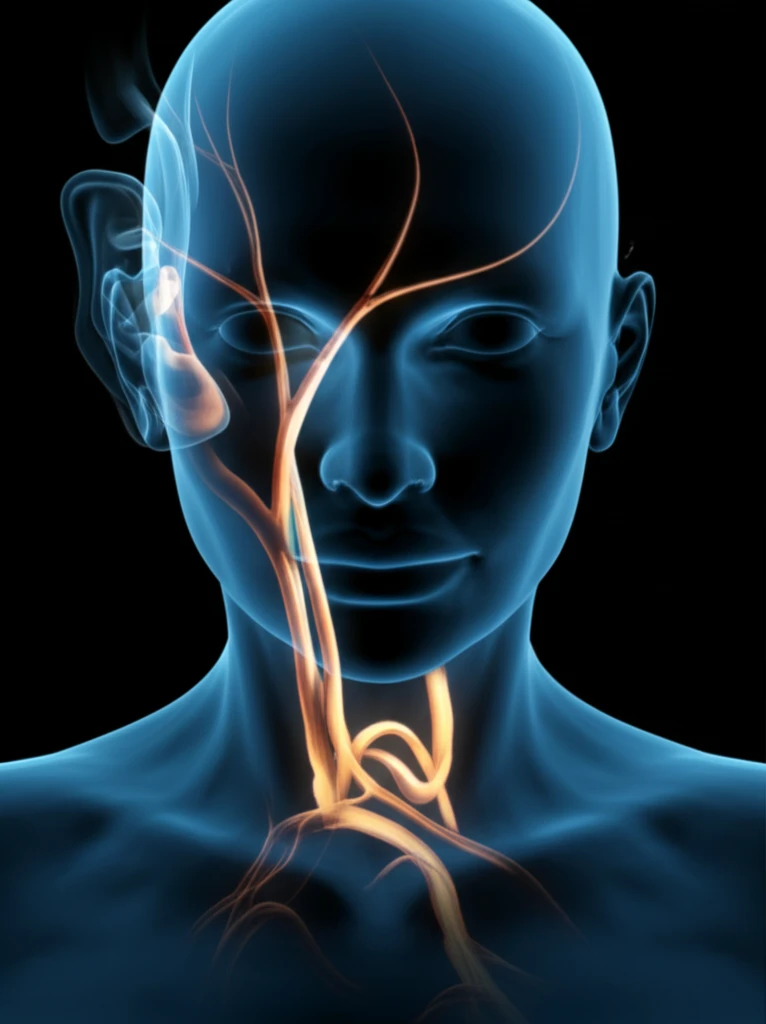
Interconnected pathways within a head representing ENT health

Decoding ENT: A Patient's Guide to Understanding Your Ear, Nose, and Throat Care

"Navigating the complex world of otolaryngology can be daunting. This guide simplifies key areas and expert insights, empowering you to take control of your health journey."


The field of otolaryngology, often called ENT (ear, nose, and throat) medicine, encompasses a wide range of conditions and treatments related to these interconnected areas of the body. Understanding the different subspecialties within ENT can help you navigate your healthcare journey more effectively and communicate better with your medical team.

This guide serves as a patient-centered resource, translating the expertise of leading otolaryngologists into clear, actionable information. Whether you're dealing with allergies, sinus problems, hearing loss, or more complex issues like head and neck cancer, this overview will provide valuable insights.

We'll explore key areas within otolaryngology, drawing from the editorial board of The Laryngoscope, a respected peer-reviewed journal, to offer a concise and reliable overview of each specialty. This information aims to empower you to better understand your condition, potential treatment options, and the specialists who can help.

Key Areas in Otolaryngology: Finding the Right Specialist for Your Needs

Interconnected pathways within a head representing ENT health

Otolaryngology is a diverse field, and many ENT doctors focus on specific areas of expertise. Here's a breakdown of some common subspecialties:

Understanding each specialty helps ensure you see the most appropriate doctor for your specific needs. Remember to discuss your concerns thoroughly with your primary care physician or ENT specialist to determine the best course of action.

  • Allergy/Rhinology: Focuses on nasal and sinus disorders, allergies, and related breathing problems.
  • Broncho-Esophagology: Deals with disorders of the esophagus and airway.
  • Facial Plastics/Reconstructive Surgery: Specializes in cosmetic and reconstructive procedures of the face, head, and neck.
  • Head and Neck: Concentrates on tumors and other conditions of the head and neck, including cancer.
  • Laryngology: Focuses on disorders of the larynx (voice box), including voice and swallowing problems.
  • Otology/Neurotology: Addresses ear-related issues, including hearing loss, balance disorders, and tumors of the ear.
  • Pediatrics: Specializes in ENT conditions in children.
  • Sleep Medicine: Focuses on sleep-related breathing disorders, such as sleep apnea.
  • Thyroid/Parathyroid: Deals with disorders of the thyroid and parathyroid glands.
Many ENT doctors also have expertise in areas like systematic and evidence-based reviews, ensuring they stay up-to-date on the latest research and best practices. Additionally, sections like 'How I Do It' and 'Triological Society Best Practice' highlight innovative techniques and established guidelines within the field.

Empowering Your ENT Health Journey

Navigating the world of ENT care doesn't have to be overwhelming. By understanding the different specialties and potential areas of focus, you can take a more active role in your treatment plan.

Remember, this guide provides a general overview. Always consult with qualified medical professionals for personalized advice and treatment options. Don't hesitate to ask questions and seek clarification to ensure you fully understand your condition and the proposed course of action.

By staying informed and engaged, you can work collaboratively with your ENT specialist to achieve the best possible outcomes for your ear, nose, and throat health.

About this Article -

This article was crafted using a human-AI hybrid and collaborative approach. AI assisted our team with initial drafting, research insights, identifying key questions, and image generation. Our human editors guided topic selection, defined the angle, structured the content, ensured factual accuracy and relevance, refined the tone, and conducted thorough editing to deliver helpful, high-quality information.See our About page for more information.

Everything You Need To Know

1

What exactly is ENT, and what does it involve?

ENT, or otolaryngology, encompasses a wide array of medical specialties dedicated to the diagnosis and treatment of conditions affecting the ears, nose, and throat. This includes managing everything from allergies and sinus issues (Allergy/Rhinology) to complex conditions like head and neck cancer (Head and Neck) and addressing hearing loss and balance disorders (Otology/Neurotology). The field is interconnected, and a thorough understanding of each subspecialty can greatly enhance your ability to navigate your healthcare options.

2

Why are the different ENT subspecialties important?

The different subspecialties within ENT, such as Allergy/Rhinology, Broncho-Esophagology, Facial Plastics/Reconstructive Surgery, Head and Neck, Laryngology, Otology/Neurotology, Pediatrics, Sleep Medicine, and Thyroid/Parathyroid, are all important because they each address specific health concerns related to the ears, nose, and throat. Knowing these specialties helps you find the right doctor for your condition, ensuring you receive the most appropriate and effective care. For example, if you are experiencing sleep apnea you would want to consult with a Sleep Medicine specialist.

3

Which ENT subspecialty should I see for allergies or sinus issues?

If you are experiencing nasal and sinus issues, allergies, or breathing problems, the Allergy/Rhinology subspecialty of ENT would be most relevant. This area focuses specifically on these conditions, providing specialized care. This is where the doctors will treat conditions such as allergic rhinitis, sinusitis, and nasal polyps. Consulting with an Allergy/Rhinology specialist ensures you receive targeted and effective treatment for these specific concerns.

4

Why are Head and Neck specialists important within ENT?

Head and Neck specialists within ENT are crucial because they focus on serious conditions such as tumors and cancers in the head and neck region. These specialists provide diagnosis, treatment, and ongoing care for these complex conditions. Understanding the role of a Head and Neck specialist is vital for anyone facing these serious health issues, as it ensures access to specialized expertise and comprehensive care.

5

How can I best navigate my ENT healthcare journey?

To navigate your ENT health journey effectively, start by understanding the different subspecialties within otolaryngology, such as Allergy/Rhinology, Otology/Neurotology, and Head and Neck. Identify the area that best aligns with your specific symptoms or condition. Then, consult with your primary care physician or an ENT specialist to determine the most appropriate specialist for your needs. Active involvement in understanding the different specialties empowers you to make informed decisions and take a more active role in your treatment plan.

Newsletter Subscribe

Subscribe to get the latest articles and insights directly in your inbox.