
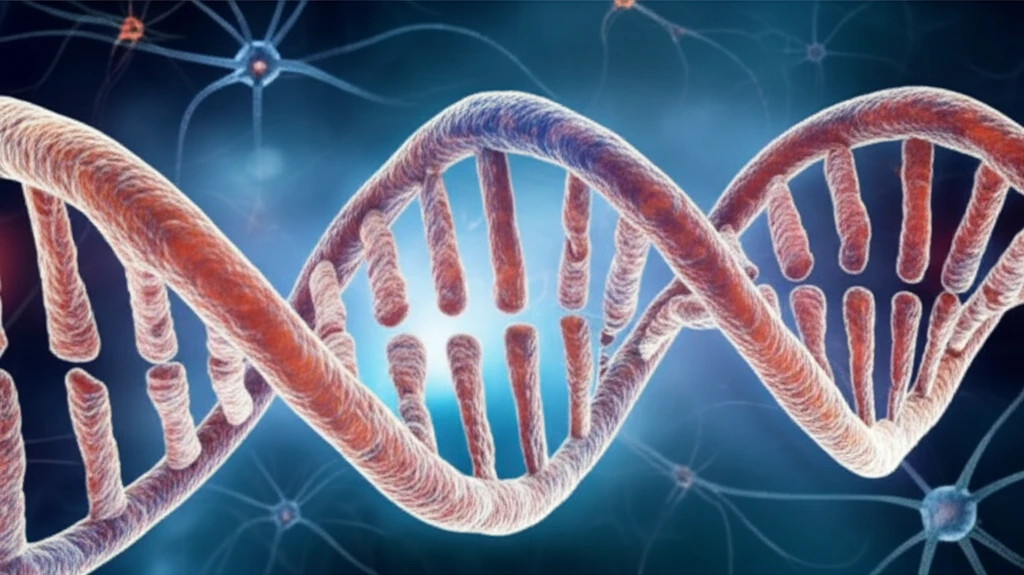
DNA and neuron intertwining, symbolizing Dravet Syndrome genetics.

Decoding Dravet Syndrome: How Genetic Insights are Revolutionizing Diagnosis

"A new study highlights the crucial role of SCN1A gene mutations in Dravet Syndrome, enhancing diagnostic accuracy and offering hope for personalized treatments."


Epilepsy with febrile seizures plus (GEFS+) encompasses a spectrum of conditions, including severe forms like Dravet and Doose syndromes. These syndromes, characterized by seizures, pose significant challenges for both patients and healthcare providers.

Recent advances in molecular research have pinpointed mutations in the SCN1A gene, which encodes a crucial component of neuronal sodium channels, as a key factor in these conditions. Genetic testing for SCN1A mutations has become a vital tool in diagnosing various epilepsy syndromes.

This article delves into a study investigating the clinical application of SCN1A genetic testing for severe GEFS+ phenotypes. By examining patients with Dravet and Doose syndromes, researchers aim to clarify the genotype-phenotype correlations, enhance diagnostic precision, and ultimately pave the way for more personalized treatment strategies.

Unlocking Dravet Syndrome: The Power of SCN1A Mutation Analysis

DNA and neuron intertwining, symbolizing Dravet Syndrome genetics.

Researchers conducted a detailed screening of SCN1A mutations in 15 patients with Dravet Syndrome and 13 with Doose Syndrome. They employed eight different algorithms to predict how these mutations impact protein function. Additionally, they compiled and analyzed all previously reported SCN1A mutations.

The study revealed that 80% of Dravet Syndrome patients (12 out of 15) had identifiable SCN1A mutations. In stark contrast, no mutations were found in the Doose Syndrome patients, suggesting a different genetic basis for the condition. The most common type of mutation observed was missense mutations, predominantly located in the pore region and the N- and C-terminal portions of the protein.

  • Missense mutations were the most frequent (50%)
  • Splice site mutations accounted for 25%
  • Frameshift mutations comprised 17%
  • Triplet deletion made up the remaining 8%
These findings underscore the critical role of SCN1A mutations in Dravet Syndrome, emphasizing the importance of genetic testing for accurate diagnosis. The absence of mutations in Doose Syndrome patients, however, indicates that this condition may involve different genetic pathways.

The Future of Dravet Syndrome Treatment: Personalized Approaches

The high prevalence of SCN1A mutations in Dravet Syndrome patients (80%) strongly supports the use of genetic testing in individuals with this condition. This allows for earlier and more accurate diagnoses, which can significantly impact treatment strategies and improve patient outcomes.

Furthermore, the study highlights that even missense mutations can lead to severe phenotypes, depending on the specific location and type of amino acid substitution. This nuanced understanding is crucial for predicting the potential impact of different mutations and tailoring treatment accordingly.

By combining genetic testing with computational algorithms, clinicians can gain valuable insights into the potential effects of SCN1A mutations, paving the way for personalized medicine approaches that target the underlying genetic causes of Dravet Syndrome and other related epilepsies. Further research and advancements in genetic therapies hold promise for even more effective treatments in the future.

About this Article -

This article was crafted using a human-AI hybrid and collaborative approach. AI assisted our team with initial drafting, research insights, identifying key questions, and image generation. Our human editors guided topic selection, defined the angle, structured the content, ensured factual accuracy and relevance, refined the tone, and conducted thorough editing to deliver helpful, high-quality information.See our About page for more information.

Everything You Need To Know

1

What is Dravet Syndrome, and how is it related to the SCN1A gene?

Dravet Syndrome is a severe form of Epilepsy with febrile seizures plus (GEFS+) characterized by seizures. The identification of mutations in the SCN1A gene has become crucial in diagnosing Dravet Syndrome. These mutations affect the neuronal sodium channels, playing a key role in the development of this condition. Early diagnosis through SCN1A genetic testing allows for the implementation of targeted treatment strategies and improves patient outcomes.

2

Why is the SCN1A gene significant in the context of Dravet Syndrome?

The SCN1A gene is important because it encodes a vital component of neuronal sodium channels. Mutations in this gene are strongly linked to Dravet Syndrome. The study found that 80% of Dravet Syndrome patients have identifiable SCN1A mutations. The types of mutations observed included missense, splice site, frameshift, and triplet deletion mutations. These mutations disrupt the normal function of neuronal sodium channels, leading to the onset of Dravet Syndrome.

3

How does SCN1A genetic testing aid in the diagnosis of Dravet Syndrome?

Genetic testing for SCN1A mutations is vital for diagnosing Dravet Syndrome. By analyzing the SCN1A gene, clinicians can identify the presence of mutations associated with the condition. The study mentioned in the context screened patients for SCN1A mutations. This genetic testing is crucial because it helps differentiate Dravet Syndrome from other conditions like Doose Syndrome, which may have different genetic causes and require different treatments. It is the key to earlier and more accurate diagnoses, which can significantly impact treatment strategies and improve patient outcomes.

4

What kinds of SCN1A mutations are associated with Dravet Syndrome?

Missense mutations, splice site mutations, frameshift mutations, and triplet deletions were found in the SCN1A gene in Dravet Syndrome patients. Missense mutations were the most frequent, followed by splice site and frameshift mutations. These mutations impact the SCN1A gene, disrupting the function of neuronal sodium channels. The specific location of these mutations, particularly in the pore region and the N- and C-terminal portions of the protein, further explains their impact on the channels' functionality.

5

Why didn't the study find SCN1A mutations in Doose Syndrome patients?

The absence of SCN1A mutations in the Doose Syndrome patients indicates that this condition might arise from different genetic causes. While the study shows that SCN1A mutations are highly prevalent in Dravet Syndrome (80% of the patients), no such mutations were found in Doose Syndrome patients. This lack of correlation suggests that Doose Syndrome involves other genetic pathways or factors not related to the SCN1A gene. The findings highlight the importance of differentiating between these two conditions using genetic testing for appropriate diagnosis and treatment.

Newsletter Subscribe

Subscribe to get the latest articles and insights directly in your inbox.