
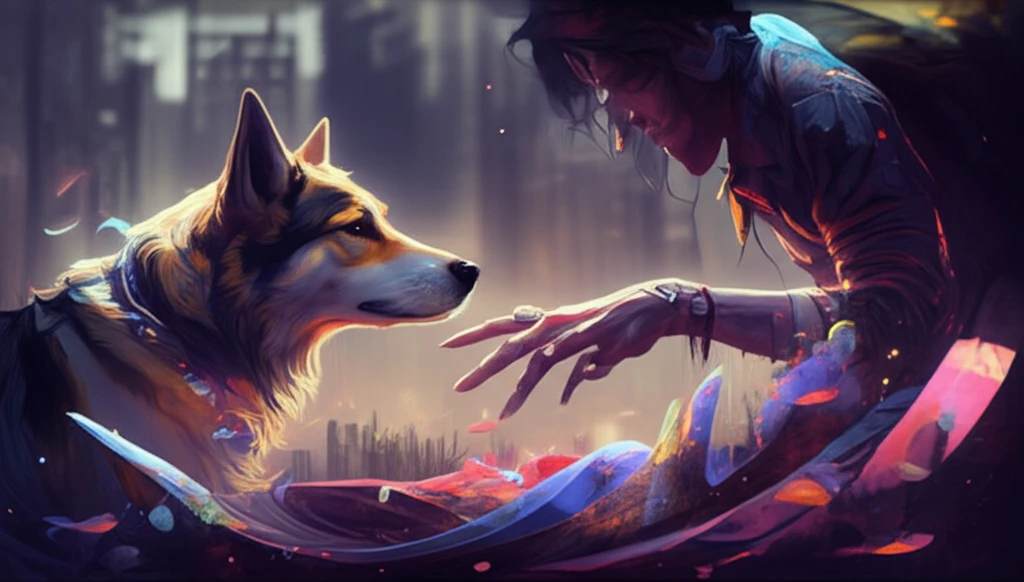
Decoding Dog Behavior: How to Strengthen the Human-Canine Bond

"Unlock the secrets to a harmonious relationship with your dog by understanding their behavior and addressing aggression with compassion and science-backed methods."
Dogs have been our companions for millennia, yet dog bites remain a persistent concern for public health and safety. While our canine friends have shared our lives for at least 15,000 years, the increasing pressures of urbanization and societal expectations can sometimes lead to misunderstandings and, unfortunately, aggression.
Legislative measures, such as laws targeting specific breeds deemed 'dangerous,' have attempted to address the issue. However, these efforts often fall short, leaving veterinarians and dog owners grappling with the complexities of canine aggression. Aggressive behaviors are a natural part of a dog's behavioral repertoire, often triggered by human actions or attitudes that the dog perceives as threatening.
Understanding canine communication is essential to foster a harmonious relationship. Ethology, the study of animal behavior, provides valuable insights into how dogs interact with their environment and with humans. By recognizing their signals and understanding their behavioral needs, we can better prevent aggression and promote a positive bond. Taking into account the individual temperament of each dog is also very important.
Understanding Canine Communication: What is your dog trying to tell you?
A dog's reaction to a perceived threat generally falls into one of three categories: fight, flight, or freeze. Each reaction is rooted in the stress response, where the animal adapts to what it sees as a challenge. The aggression that you see is usually a reaction to some kind of stimulation that has caused them to feel anxious, fearful or challenged.
- Fear Signals: Look for tension in the muscles, a lowered body posture, and a head that is held low. The eyes might show a lot of white, darting glances. The dog’s ears will be pulled back, and they might try to escape or hide.
- Stress Signals: Common signs include a tense face, tightened lips, wide eyes, and a generally tired expression. They may also move slowly, yawn frequently, lick their nose, or pant. If you offer a treat, a stressed dog might ignore it or refuse to take it. More severe stress can lead to trembling, sweating, drooling, urination, or defecation.
- Aggression Signals: A dog preparing to attack will display clear warning signs. Initially, this involves intimidation tactics such as standing tall and stiff, staring intently, and positioning the ears forward (or backward if fearful). They may bark and curl their upper lip, accompanied by a growl. If the threat intensifies, the dog might lunge forward with an open mouth. In an actual attack, they may snap without contact, bite without holding, or bite and grip, sometimes shaking their head violently.
Building a Better Bond: The Future of Human-Canine Relationships
As our understanding of canine behavior grows, so does our ability to foster stronger, more harmonious relationships with our dogs. By prioritizing positive interactions, respecting their needs, and recognizing their emotional states, we can create a world where dog bites are a distant memory and the bond between humans and canines is celebrated for its mutual benefits.