
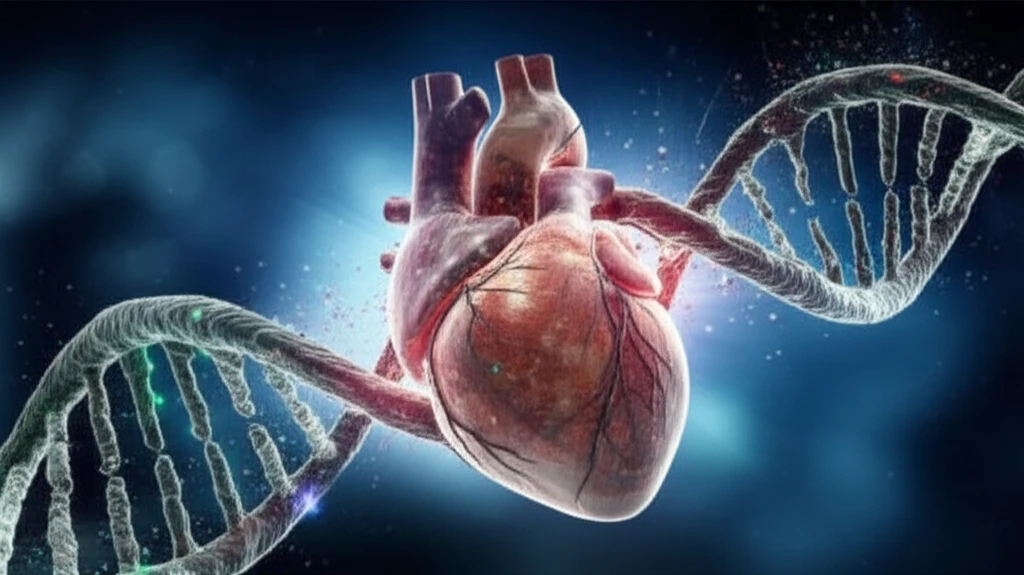
DNA Strand with Heart Illustration

Decoding DNA Methylation: How It Impacts Your Heart Health

"Unlocking the secrets of how DNA methylation influences atherosclerosis and paves the way for innovative heart disease treatments."


For over a century, scientists have been unraveling the complex mechanisms behind cardiovascular diseases (CVD). Despite significant progress, the intricate molecular processes that drive these conditions continue to be a major area of research. Among the most promising avenues of investigation is the field of epigenetics, particularly DNA methylation, which is emerging as a critical factor in reshaping pathological processes in CVD.

Epigenetics refers to modifications in gene expression that don't involve alterations to the DNA sequence itself. These changes, which include DNA methylation, histone modification, and non-coding RNA expression, can significantly influence cellular function and disease development. In the context of CVD, epigenetic modifications are increasingly recognized for their role in processes like the dedifferentiation of smooth muscle cells and the accumulation of senescent cells, both of which contribute to the progression of atherosclerosis.

This article explores the role of DNA methylation in atherosclerosis, a disease characterized by the buildup of plaque in the arteries. We will delve into the mechanisms by which DNA methylation influences this condition, highlighting recent findings and potential new approaches for treatment. Understanding these processes could unlock new strategies for preventing and managing heart disease, offering hope for millions worldwide.

DNA Methylation: The Key Player in Atherosclerosis?

DNA Strand with Heart Illustration

DNA methylation is a fundamental epigenetic mechanism that involves the addition of a methyl group to a DNA base, typically cytosine. This process can alter gene expression by either blocking or promoting the binding of proteins that regulate gene transcription. In atherosclerosis, DNA methylation plays a complex role, with some genes becoming hypermethylated (increased methylation) and others becoming hypomethylated (decreased methylation) as the disease progresses.

The balance between hypermethylation and hypomethylation is crucial in determining the overall impact on CVD. Hypomethylation is more frequently observed in atherosclerosis, potentially leading to the activation of genes that promote plaque formation and inflammation. Conversely, hypermethylation can silence genes that protect against these processes. Let's dive deeper into the specific effects of DNA methylation on key cellular processes involved in atherosclerosis:

  • Smooth Muscle Cell Modulation: DNA methylation influences the behavior of smooth muscle cells in the arteries, which can either contribute to or protect against plaque formation.
  • Inflammation Control: By altering the expression of inflammatory genes, DNA methylation can either exacerbate or mitigate the inflammatory response within arterial walls.
  • Senescence Impact: DNA methylation affects cellular senescence, a process where cells stop dividing and can contribute to disease.
Recent studies have shed light on how changes in DNA methylation are linked to atherogenesis, paving the way for potential new treatments targeting these epigenetic alterations. Understanding the specific genes and pathways affected by DNA methylation could lead to more effective therapies for preventing and managing atherosclerosis.

The Future of Heart Health: Targeting DNA Methylation

The insights gained from studying DNA methylation in atherosclerosis offer exciting possibilities for future treatments. By targeting the enzymes involved in DNA methylation, scientists hope to develop therapies that can reverse or prevent the epigenetic changes that contribute to heart disease. As we continue to unravel the complexities of DNA methylation, we move closer to a future where heart disease can be managed more effectively through personalized, epigenetically-informed interventions. As scientists learn how to manipulate DNA methylation patterns, new drugs and therapies might become available, making the promise of epigenetics a reality.

About this Article -

This article was crafted using a human-AI hybrid and collaborative approach. AI assisted our team with initial drafting, research insights, identifying key questions, and image generation. Our human editors guided topic selection, defined the angle, structured the content, ensured factual accuracy and relevance, refined the tone, and conducted thorough editing to deliver helpful, high-quality information.See our About page for more information.

Everything You Need To Know

1

What is DNA methylation and how does it relate to heart health?

DNA methylation is an epigenetic process where a methyl group is added to a DNA base, typically cytosine. This modification alters gene expression without changing the DNA sequence itself. In the context of heart health, particularly in the progression of atherosclerosis, DNA methylation plays a critical role. It influences gene expression, which can either promote or inhibit the development of plaque in the arteries, impacting overall cardiovascular health. The balance of hypermethylation and hypomethylation affects key cellular processes within the arterial walls, influencing processes like smooth muscle cell behavior, inflammation, and cellular senescence.

2

How does DNA methylation affect the progression of atherosclerosis?

DNA methylation influences atherosclerosis through several mechanisms. It can lead to the hypermethylation or hypomethylation of genes, impacting their expression. Hypomethylation in atherosclerosis is frequently observed and can activate genes that promote plaque formation and inflammation. Conversely, hypermethylation can silence genes that offer protection against these processes. Specific cellular processes affected include smooth muscle cell modulation, the control of inflammation, and cellular senescence. The balance between hypermethylation and hypomethylation determines the impact on disease progression.

3

What are the implications of DNA methylation on smooth muscle cells, inflammation, and senescence in the context of cardiovascular disease?

DNA methylation directly impacts several key processes in cardiovascular disease. In smooth muscle cells, methylation influences their behavior, affecting plaque formation. Regarding inflammation, DNA methylation alters the expression of inflammatory genes, potentially worsening or improving the inflammatory response within arterial walls. DNA methylation also affects cellular senescence, a process where cells stop dividing, which can contribute to the progression of atherosclerosis. By affecting these critical processes, DNA methylation has a significant influence on the development and progression of heart disease.

4

Can targeting DNA methylation lead to new treatments for heart disease?

Yes, targeting DNA methylation offers exciting possibilities for new heart disease treatments. Scientists are researching therapies that target the enzymes involved in DNA methylation to potentially reverse or prevent the epigenetic changes contributing to heart disease. Understanding which genes and pathways are affected by DNA methylation could lead to more effective strategies for managing and preventing atherosclerosis. By manipulating DNA methylation patterns, researchers hope to develop personalized, epigenetically-informed interventions, moving towards a future where heart disease treatment is more effective.

5

How does understanding DNA methylation differ from traditional approaches to treating cardiovascular diseases?

Traditional approaches to treating cardiovascular diseases often focus on addressing the symptoms or consequences of the disease, such as high cholesterol or blocked arteries. In contrast, understanding DNA methylation offers a deeper, molecular-level perspective. DNA methylation research aims to manipulate the underlying mechanisms of gene expression that drive the disease process. By targeting the epigenetic modifications, it may be possible to prevent the disease from developing or reverse its progression, providing a more fundamental approach to managing heart health compared to traditional treatments. This could lead to personalized therapies, tailoring treatments to an individual's specific epigenetic profile.

Newsletter Subscribe

Subscribe to get the latest articles and insights directly in your inbox.