
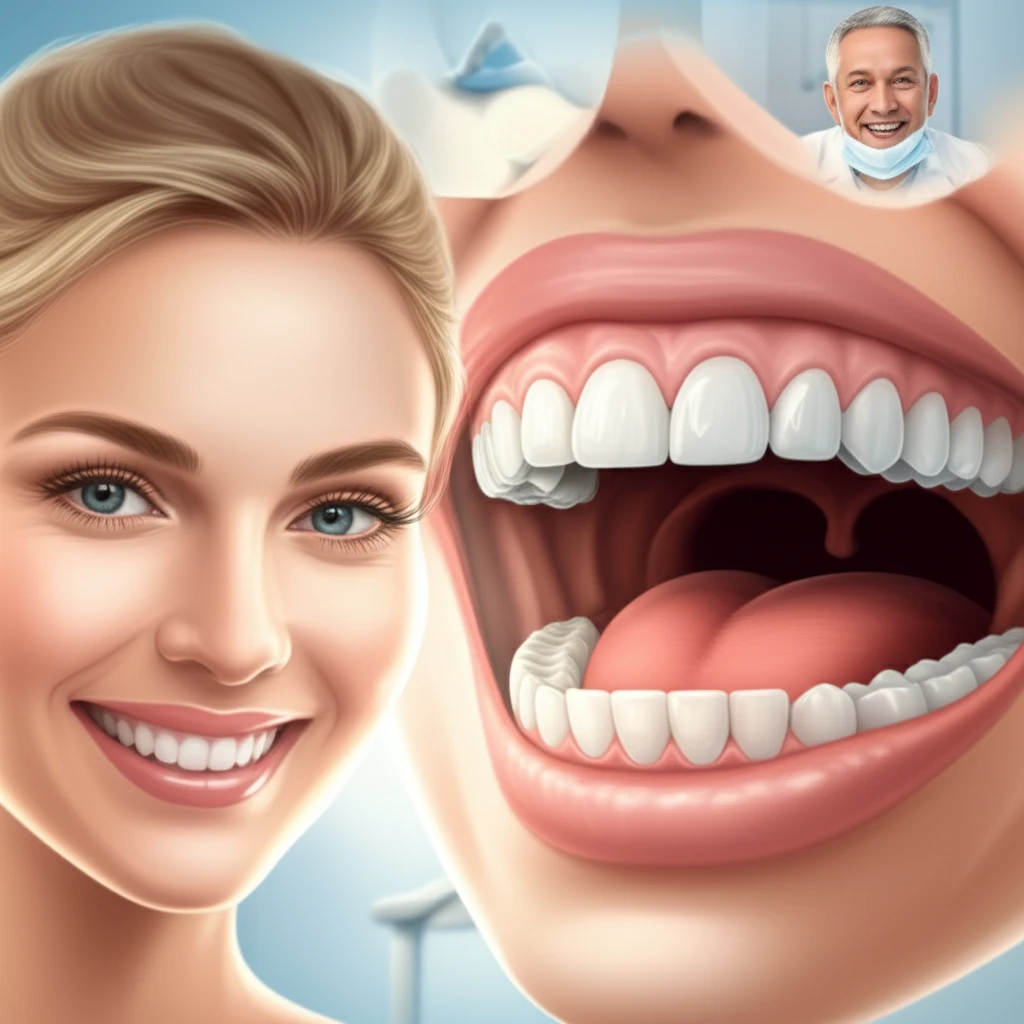
Illustration of a woman smiling with healthy teeth and gums, representing dental health

Decoding Dental Health: Why Clinical Exams and Comprehensive Assessments Are Your Smile's Best Friends

"Unveiling the Secrets of a Healthy Mouth: A Guide to Clinical Examinations, Diagnostic Tools, and Proactive Dental Care."


In the realm of healthcare, our mouths often take a backseat. Yet, the health of our teeth and gums is intricately linked to our overall well-being. From the simplest smile to the most complex conversations, our oral health plays a vital role in our daily lives. But how well do we truly understand the importance of regular dental check-ups and comprehensive assessments? This article seeks to unravel the significance of these examinations, providing a roadmap to a healthier, more radiant smile.

Think of your dentist's office as a gateway to a healthier you. Routine clinical examinations and specialized assessments are not merely about checking for cavities; they are proactive measures that empower you to take control of your oral health. By understanding the scope of these evaluations, you'll be better equipped to make informed decisions, communicate effectively with your dental team, and cultivate a smile that reflects both health and confidence.

This guide will delve into the world of dental health assessments, highlighting the key components of a clinical examination, the role of diagnostic tools, and the benefits of proactive dental care. Join us as we uncover the secrets to a healthy mouth, ensuring your smile remains a source of pride and vitality for years to come.

The Clinical Examination: A Detailed Look at Your Smile's Story

Illustration of a woman smiling with healthy teeth and gums, representing dental health

The cornerstone of any dental care plan is the clinical examination, a meticulous assessment conducted by your dentist. This examination goes beyond a quick visual check; it's a comprehensive evaluation that reveals the underlying health of your teeth, gums, and surrounding structures. The dentist carefully examines several aspects of your oral health, each offering valuable insights into your smile's well-being.

Let's explore the key elements of a clinical examination:

  • Facial Examination: The dentist observes the face for any signs of aging or asymmetry. The soft tissues of the face, such as the lips, cheeks, and chin, are assessed for their relationship to the teeth and jaws.
  • Dento-Parodontal Examination: This involves a detailed assessment of your teeth and gums. The dentist checks for cavities, signs of gum disease (such as inflammation, bleeding, or recession), and the health of the supporting bone structure.
  • Occlusion Examination: Your bite is examined to evaluate how your upper and lower teeth come together. This assessment helps identify any misalignment or bite problems that may require treatment.
  • Functional Examination: This part assesses how well your mouth functions, including your ability to chew, speak, and swallow. The dentist may also evaluate your jaw joint (temporomandibular joint or TMJ) to check for any dysfunction or pain.
  • Diagnostic Aids This could include x-rays, CBCT, or other specialized assessments.
Remember, the information gleaned during a clinical examination forms the foundation for a personalized treatment plan. It's a crucial step in identifying potential problems early on, preventing serious complications, and ensuring you receive the most appropriate care.

Empowering Your Smile: The Path to Lifelong Oral Health

Regular clinical examinations and comprehensive assessments are not merely procedures; they're investments in your oral health and overall well-being. By understanding the scope of these evaluations, you're taking a proactive step towards a confident, healthy smile. Partner with your dental team, embrace preventative care, and make oral health a priority. Your smile will thank you for it.

About this Article -

This article was crafted using a human-AI hybrid and collaborative approach. AI assisted our team with initial drafting, research insights, identifying key questions, and image generation. Our human editors guided topic selection, defined the angle, structured the content, ensured factual accuracy and relevance, refined the tone, and conducted thorough editing to deliver helpful, high-quality information.See our About page for more information.

This article is based on research published under:

DOI-LINK: 10.1051/orthodfr/2010036, Alternate LINK

Title: Importance De L’Examen Clinique Et Des Examens Complémentaires

Subject: General Medicine

Journal: L'Orthodontie Française

Publisher: John Libbey Eurotext

Authors: Sarah Gebeile-Chauty, Jean-Jacques Pelosse, Caroline Diemunsch

Published: 2011-03-01

Everything You Need To Know

1

Why are clinical examinations important for my dental health?

Clinical examinations are essential because they offer a comprehensive evaluation of your oral health, going beyond a simple check for cavities. The meticulous assessment conducted by your dentist reveals the underlying health of your teeth, gums, and surrounding structures. It includes components like the Facial Examination, Dento-Parodontal Examination, Occlusion Examination, and Functional Examination which help in early detection of potential problems, preventing serious complications, and ensuring you receive the most appropriate personalized care. Early detection of problems such as gum disease are crucial in preventing tooth loss.

2

What does a dentist look for during a Dento-Parodontal Examination?

During a Dento-Parodontal Examination, the dentist conducts a detailed assessment of your teeth and gums. The dentist checks for cavities, any signs of gum disease such as inflammation, bleeding, or recession, and the health of the supporting bone structure. This examination aims to assess and identify any issues related to the teeth (dento-) and the supporting structures around them (parodontal) which is crucial for maintaining overall oral health and preventing tooth loss.

3

What is involved in the Occlusion Examination, and why is it important?

The Occlusion Examination involves assessing your bite to evaluate how your upper and lower teeth come together. This assessment helps identify any misalignment or bite problems that may require treatment. A proper bite is critical for chewing, speaking, and maintaining the long-term health of your teeth and jaw joints. Issues identified during an Occlusion Examination can often be addressed with orthodontics or other corrective treatments to prevent further complications.

4

What is a Functional Examination and what does it evaluate?

A Functional Examination assesses how well your mouth functions, including your ability to chew, speak, and swallow. The dentist may also evaluate your jaw joint (temporomandibular joint or TMJ) to check for any dysfunction or pain. Problems in these areas can impact your quality of life and potentially lead to other health issues, therefore, identifying and addressing them is essential for overall well-being.

5

What are Diagnostic Aids and how do they contribute to a comprehensive dental assessment?

Diagnostic Aids are tools such as x-rays, CBCT (cone-beam computed tomography), or other specialized assessments used in addition to the Clinical Examination. These tools allow dentists to visualize structures beneath the surface, revealing issues like bone loss, impacted teeth, or tumors that cannot be seen with the naked eye. Utilizing these aids ensures a more thorough and accurate diagnosis, leading to more effective and targeted treatment plans and early detection of any potential oral health risks.

Newsletter Subscribe

Subscribe to get the latest articles and insights directly in your inbox.