
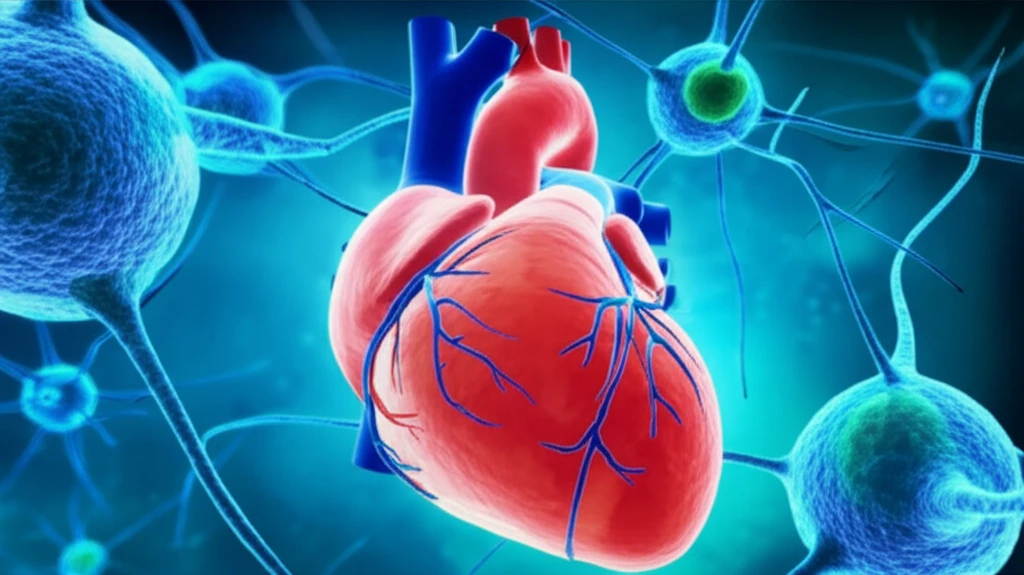
Dendritic cells interacting with a human heart

Decoding Dendritic Cells: How Immune Insights Could Revolutionize Heart Health

"Unlocking the secrets of dendritic cell function to pave the way for innovative cardiovascular treatments."


Dendritic cells (DCs) are central to the immune system, acting as critical regulators that help the body respond to infections and injuries. These cells are involved in capturing, processing, and presenting antigens to lymphocytes, orchestrating immune responses tailored to specific threats. Their diverse functions and ability to adapt make them key players in numerous diseases, extending far beyond traditional immunology.

The role of DCs has expanded to include significant impacts on cardiovascular diseases (CVDs), which are the leading cause of death globally. With an estimated 17.3 million deaths annually, understanding how DCs contribute to the development and progression of CVDs is crucial. This knowledge could open new avenues for treatment and prevention.

This article delves into the multifaceted roles of dendritic cells in cardiovascular health, exploring how different DC subsets function in both circulating blood and within tissues. We will examine their involvement in conditions like atherosclerosis, heart failure, and post-transplant scenarios, shedding light on the potential for DC-targeted therapies to revolutionize cardiac care.

The Dual Roles of Dendritic Cells: Circulating vs. Tissue-Resident

Dendritic cells interacting with a human heart

Dendritic cells exist in two primary locations: circulating in the bloodstream and residing within specific tissues. Circulating DCs, making up a small fraction of white blood cells, include myeloid DCs (mDCs) and plasmacytoid DCs (pDCs). Each subset plays a unique role; for instance, mDCs can process soluble antigens, while both subsets can activate lymphocytes.

Tissue-resident DCs are strategically positioned in organs such as the skin, lungs, liver, and heart. Each of these subsets is specialized to handle local immune challenges. For example, Langerhans' cells in the skin and Kupffer cells in the liver perform distinct immune functions tailored to their respective environments. In diseased or injured tissue, DCs actively participate in the inflammatory response, though their exact functions can be difficult to study due to limited access to biopsy material.

  • Myeloid DCs (mDCs): Express HLA-DR, CD11c, and CD33; capable of processing soluble antigens.
  • Plasmacytoid DCs (pDCs): Express CD123; crucial for antiviral responses.
  • Tissue-Resident DCs: Specialized subsets in various organs, each with unique functions.
The balance between circulating and tissue-resident DCs is tightly regulated, with circulating DCs capable of being recruited to replenish tissue-resident populations. Research indicates that cardiac DCs, for example, are replaced within a few weeks following irradiation, highlighting the dynamic interplay between these populations. Understanding this interaction is crucial for developing targeted immunotherapies.

Looking Ahead: Translating DC Discoveries into Clinical Impact

While the potential of DCs in treating cardiovascular diseases is promising, translating these findings into clinical practice requires overcoming significant hurdles. A deeper understanding of DC function, distribution, and maturation is essential to develop effective therapeutic strategies.

Future research should focus on standardized assays to explore the roles of both circulating and tissue-resident DCs. Addressing the gaps in our knowledge could pave the way for novel preventive and therapeutic options that harness the immune system to combat heart disease.

By continuing to unravel the complexities of dendritic cell biology, we can move closer to a future where targeted immunotherapies offer new hope for preventing and treating cardiovascular diseases, ultimately improving heart health for millions worldwide.

About this Article -

This article was crafted using a human-AI hybrid and collaborative approach. AI assisted our team with initial drafting, research insights, identifying key questions, and image generation. Our human editors guided topic selection, defined the angle, structured the content, ensured factual accuracy and relevance, refined the tone, and conducted thorough editing to deliver helpful, high-quality information.See our About page for more information.

This article is based on research published under:

DOI-LINK: 10.4172/2471-9552.1000128, Alternate LINK

Title: Facets Of Dendritic Cell Function: Who Would Think About Cardiovascular Diseases?

Subject: General Medicine

Journal: Immunotherapy: Open Access

Publisher: OMICS Publishing Group

Authors: Maja Theresa Dieterlen, Markus J Barten

Published: 2016-01-01

Everything You Need To Know

1

What role do dendritic cells play in cardiovascular health?

Dendritic cells play a crucial role in cardiovascular health by acting as regulators within the immune system. They are involved in capturing and presenting antigens to lymphocytes, which helps the body respond to injuries and infections related to the heart. Understanding how different subsets of dendritic cells function, both in circulating blood and within tissues, is essential for developing potential treatments for cardiovascular diseases.

2

What are the different types of dendritic cells, and what markers do they express?

Myeloid DCs (mDCs) are a subset of circulating dendritic cells that express HLA-DR, CD11c, and CD33 and can process soluble antigens. Plasmacytoid DCs (pDCs) express CD123 and are crucial for antiviral responses. Tissue-resident DCs are specialized subsets found in organs like the skin, lungs, liver, and heart, each with unique functions tailored to their local environment.

3

What is the difference between circulating dendritic cells and tissue-resident dendritic cells?

The primary difference lies in their location and function. Circulating dendritic cells, like myeloid DCs (mDCs) and plasmacytoid DCs (pDCs), patrol the bloodstream and activate lymphocytes. Tissue-resident dendritic cells, such as Langerhans' cells in the skin and Kupffer cells in the liver, are strategically positioned in specific organs to handle local immune challenges. The balance between these populations is tightly regulated, with circulating DCs able to replenish tissue-resident populations.

4

How are dendritic cells being explored to revolutionize cardiac care?

Dendritic cells are being explored for their potential to revolutionize cardiac care by targeting them for immunotherapies. By understanding their function, distribution, and maturation, researchers aim to develop strategies that can treat conditions like atherosclerosis, heart failure, and complications post-transplant. The goal is to modulate the immune response in a way that promotes heart health and prevents cardiovascular diseases.

5

What are the current hurdles in translating dendritic cell discoveries into clinical impact for treating cardiovascular diseases?

Current research faces hurdles in translating discoveries about dendritic cells into clinical practice. Gaining a deeper understanding of dendritic cell function, distribution, and maturation is essential for developing effective therapeutic strategies. Limited access to biopsy material also makes it challenging to study the exact functions of dendritic cells in diseased or injured tissue. Overcoming these challenges will pave the way for targeted immunotherapies that can revolutionize cardiac care.

Newsletter Subscribe

Subscribe to get the latest articles and insights directly in your inbox.