
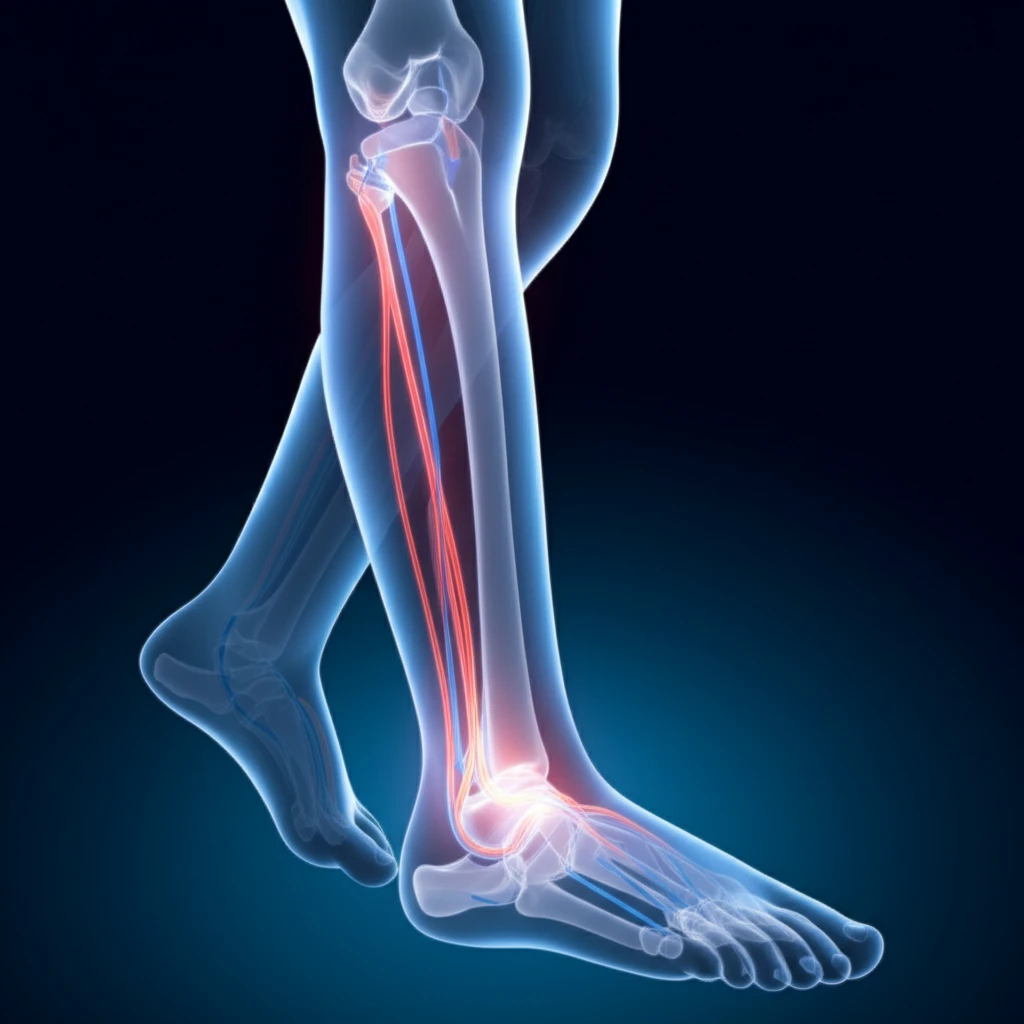
Illustration of a child's leg with a healthy vein system, symbolizing health and technology in medicine.

Decoding Deep Vein Thrombosis (DVT) in Children: A Guide for Parents and Caregivers

"Using Natural Language Processing (NLP) and Modern Technology to Enhance Pediatric Healthcare, Improve Early Detection, and Reduce Risks"


As parents, the well-being of our children is our top priority. Understanding and addressing potential health risks, such as deep vein thrombosis (DVT), can feel overwhelming. DVT, the formation of blood clots in deep veins, is a serious condition that can affect children. However, advancements in medical technology, including the use of natural language processing (NLP), are revolutionizing how we detect and manage DVT, leading to better outcomes for our children.

This comprehensive guide aims to demystify DVT in children, offering clear, accessible information to parents and caregivers. We'll explore what DVT is, the symptoms to watch for, and how it is diagnosed. Furthermore, we will dive into the innovative use of NLP, a type of artificial intelligence, in enhancing the detection and treatment of DVT. By empowering you with knowledge, we hope to alleviate your concerns and support you in providing the best care for your child.

The information provided here is based on a recent study that highlights the benefits of NLP in improving early detection. While it's essential to consult with healthcare professionals for any medical concerns, this guide provides a valuable foundation for understanding DVT and the progress being made in pediatric care.

Understanding Deep Vein Thrombosis (DVT) in Children: What Parents Need to Know

Illustration of a child's leg with a healthy vein system, symbolizing health and technology in medicine.

Deep Vein Thrombosis (DVT) is a condition where blood clots form in deep veins, typically in the legs, arms, or sometimes in other areas of the body. These clots can be dangerous because they can break loose and travel to the lungs, causing a pulmonary embolism (PE), a life-threatening emergency. While DVT is more commonly associated with adults, it can occur in children too, often in those who are hospitalized or have other underlying health conditions. The signs and symptoms of DVT in children can be subtle and may be confused with other common childhood ailments, making early detection a challenge.

Recognizing the symptoms of DVT is the first step in ensuring prompt medical attention. Some common signs include swelling in the affected limb, pain or tenderness, skin discoloration (redness or bluish tint), and warmth in the area. However, these symptoms can vary from child to child and may not always be present. Children with certain medical conditions, such as congenital heart disease, cancer, or those who have undergone surgery, are at a higher risk of developing DVT. Additionally, factors like prolonged immobility, central venous catheters, and certain medications can also increase the risk.

  • Swelling: Noticeable enlargement of the affected leg or arm.
  • Pain: Discomfort or tenderness in the affected area.
  • Discoloration: Skin that appears red, bluish, or changes in temperature.
  • Warmth: The affected limb feels warmer than usual.
  • Increased Risk: Certain medical conditions, recent surgeries or long hospital stays.
If you suspect your child may have DVT, immediate medical evaluation is critical. Diagnosis usually involves a combination of physical examination, blood tests, and imaging studies like ultrasound. Early diagnosis and treatment are essential to prevent serious complications. The good news is that advancements in medical technology and treatment protocols are continually improving outcomes for children diagnosed with DVT.

Embracing Innovation for a Healthier Future for Children

The use of NLP in detecting and managing DVT represents a significant step forward in pediatric healthcare. By integrating technology with medical expertise, we can improve patient outcomes, provide timely care, and alleviate parental concerns. As parents and caregivers, staying informed and proactive is key. Working together with healthcare professionals, we can ensure that our children receive the best possible care, now and in the future.

About this Article -

This article was crafted using a human-AI hybrid and collaborative approach. AI assisted our team with initial drafting, research insights, identifying key questions, and image generation. Our human editors guided topic selection, defined the angle, structured the content, ensured factual accuracy and relevance, refined the tone, and conducted thorough editing to deliver helpful, high-quality information.See our About page for more information.

This article is based on research published under:

DOI-LINK: 10.1007/s11239-017-1532-y, Alternate LINK

Title: The Use Of Natural Language Processing On Pediatric Diagnostic Radiology Reports In The Electronic Health Record To Identify Deep Venous Thrombosis In Children

Subject: Cardiology and Cardiovascular Medicine

Journal: Journal of Thrombosis and Thrombolysis

Publisher: Springer Science and Business Media LLC

Authors: Jorge A. Gálvez, Janine M. Pappas, Luis Ahumada, John N. Martin, Allan F. Simpao, Mohamed A. Rehman, Char Witmer

Published: 2017-08-16

Everything You Need To Know

1

What is Deep Vein Thrombosis (DVT), and how does it affect children?

Deep Vein Thrombosis (DVT) in children is the formation of blood clots in the deep veins, often in the legs or arms. These clots pose a risk because they can detach and travel to the lungs, causing a life-threatening pulmonary embolism (PE). While more prevalent in adults, DVT can occur in children, especially those with underlying health conditions or who have undergone surgery, emphasizing the need for awareness and early detection.

2

What are the key symptoms of Deep Vein Thrombosis (DVT) that parents should be aware of?

Parents should watch for several key symptoms of Deep Vein Thrombosis (DVT) in their children. These include swelling in the affected limb (leg or arm), pain or tenderness in the area, skin discoloration (redness or bluish tint), and warmth in the affected area. However, these symptoms can be subtle and vary, making it crucial to seek immediate medical evaluation if DVT is suspected, especially if the child has certain risk factors such as congenital heart disease or has undergone surgery.

3

How is Deep Vein Thrombosis (DVT) diagnosed in children?

The diagnosis of Deep Vein Thrombosis (DVT) in children typically involves a combination of methods. Initially, a healthcare professional will conduct a physical examination to assess the symptoms. Following the physical examination, blood tests may be ordered to check for clotting factors. Finally, imaging studies, such as ultrasound, are crucial for visualizing the clots and confirming the diagnosis. Early and accurate diagnosis is critical for effective treatment and preventing complications.

4

How is Natural Language Processing (NLP) being used to enhance the detection and treatment of Deep Vein Thrombosis (DVT) in children?

Natural Language Processing (NLP), a form of artificial intelligence, is revolutionizing the detection and treatment of Deep Vein Thrombosis (DVT). NLP can analyze vast amounts of medical data, including patient records and research papers, to identify patterns and risk factors associated with DVT that humans might miss. This technology aids in early detection by helping healthcare providers recognize subtle indicators of DVT. Furthermore, NLP can improve treatment by providing insights that lead to more personalized care plans and more effective management strategies, ultimately improving patient outcomes.

5

What proactive steps can parents and caregivers take to support their child's health and address the risks of Deep Vein Thrombosis (DVT)?

Parents and caregivers can take several proactive steps to support their child's health and address the risks of Deep Vein Thrombosis (DVT). First and foremost, it's essential to stay informed about DVT, its symptoms, and potential risk factors. Regular communication with healthcare professionals is critical, especially if a child has underlying medical conditions or has undergone surgery. Parents should also be vigilant in observing for any of the symptoms of DVT, such as swelling, pain, discoloration, or warmth in a limb, and seek immediate medical attention if these signs are present. Moreover, staying informed about advancements in medical technology, such as the use of Natural Language Processing (NLP), can help parents understand how healthcare is evolving to better detect and treat conditions like DVT.

Newsletter Subscribe

Subscribe to get the latest articles and insights directly in your inbox.