
Targeted Colorectal Cancer Therapy

Decoding Colorectal Cancer: Can Tiny Molecules Offer New Hope?

"New research explores how manipulating microRNAs could revolutionize colorectal cancer treatment, offering a less invasive approach."


Colorectal cancer (CRC) is a common and serious disease worldwide, impacting both physical and mental health. It ranks among the top causes of cancer-related deaths, highlighting the urgent need for effective treatments. While significant advancements have been made in CRC treatment, including surgery, chemotherapy, and targeted therapies, recurrence and metastasis remain major challenges.

Traditional methods, while improving survival rates, often come with significant side effects and may not be effective for all patients. In China, many individuals are diagnosed with advanced CRC, contributing to increasing morbidity and mortality rates. The need for innovative, less invasive, and more targeted approaches is critical.

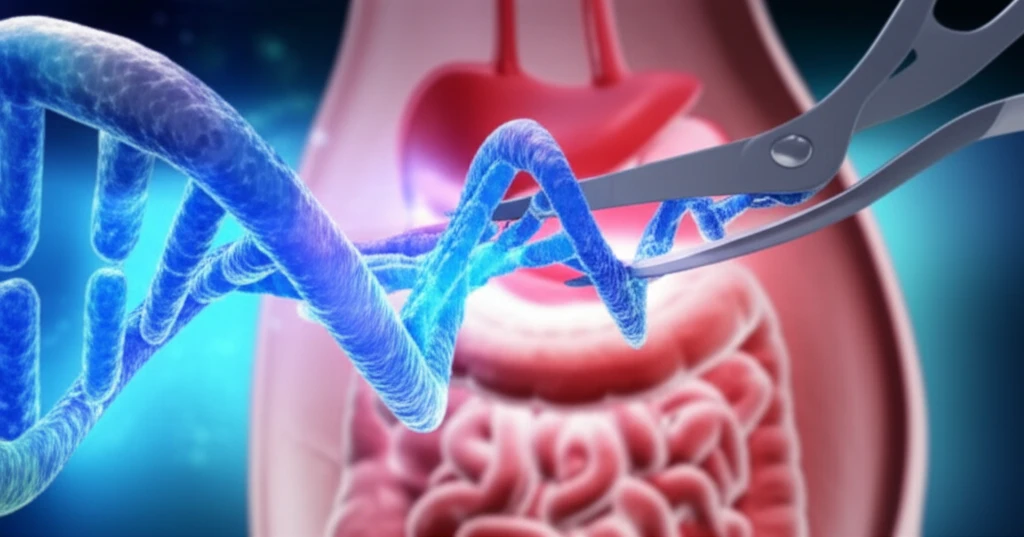
Recent research has focused on microRNAs (miRNAs), small non-coding RNA molecules that regulate gene expression. These miRNAs play a vital role in various biological processes, including cell proliferation, differentiation, and apoptosis. Understanding how miRNAs function in CRC could pave the way for novel therapeutic strategies.

The Role of MicroRNAs in Cancer Treatment

Targeted Colorectal Cancer Therapy

MicroRNAs (miRNAs) are short sequences of RNA that do not code for proteins but instead regulate gene expression. They act as master switches, controlling the production of proteins by binding to messenger RNAs (mRNAs). This process can either increase or decrease protein production, affecting various cellular processes. In cancer, miRNAs can act as both tumor suppressors and oncogenes, influencing cell growth, proliferation, and metastasis.

Scientists have identified specific miRNAs that play critical roles in CRC. For instance, miR-150, miR-504, and miR-519d have been linked to cancer cell proliferation, invasion, and migration. However, the exact mechanisms and interactions of these miRNAs in CRC are still under investigation.

  • miR-150: Known to inhibit cancer cell growth in gastric, colorectal, and hepatocellular cancers.
  • miR-504: Restrains cancer cell proliferation and migration, with decreased expression often seen in colon tumors.
  • miR-519d: Represses tumor cell proliferation and migration.
The study highlighted here focuses on the interplay between miR-150, miR-504, miR-519d, and c-FLIP, a protein that inhibits cell apoptosis. The researchers aimed to understand how these miRNAs affect c-FLIP expression and whether manipulating these miRNAs could offer a new therapeutic approach for CRC.

Future Directions and Hope for CRC Patients

This research offers a promising direction for future CRC treatments. By manipulating the expression of miR-150, miR-504, and miR-519d, scientists may be able to develop more targeted and effective therapies. Further studies are needed to fully understand the complex interactions between these miRNAs and c-FLIP, but the potential for improving patient outcomes is significant. As research progresses, expect continued advances in CRC treatment that offer hope for less invasive and more effective options.

About this Article -

This article was crafted using a human-AI hybrid and collaborative approach. AI assisted our team with initial drafting, research insights, identifying key questions, and image generation. Our human editors guided topic selection, defined the angle, structured the content, ensured factual accuracy and relevance, refined the tone, and conducted thorough editing to deliver helpful, high-quality information.See our About page for more information.

This article is based on research published under:

DOI-LINK: 10.1002/jcb.28073, Alternate LINK

Title: Mir‐150‐504‐519D Inhibits The Growth Of Human Colorectal Cancer Cell Line Sw48 And Downregulates C‐Flip Receptor

Subject: Cell Biology

Journal: Journal of Cellular Biochemistry

Publisher: Wiley

Authors: Guoqiang Rong, Xiaodong Yang, Haorong Wu, Yongyou Wu

Published: 2018-12-12

Everything You Need To Know

1

What exactly are microRNAs (miRNAs) and how do they relate to colorectal cancer (CRC)?

MicroRNAs (miRNAs) are small, non-coding RNA molecules that play a critical role in regulating gene expression. They act as master switches by binding to messenger RNAs (mRNAs), influencing protein production, and thereby affecting cellular processes. In colorectal cancer (CRC), miRNAs like miR-150, miR-504, and miR-519d can act as both tumor suppressors and oncogenes, influencing cell growth, proliferation, and metastasis. Understanding these roles is vital for developing new therapeutic strategies. Further research is needed to clarify the mechanisms and interactions of miRNAs in CRC, but manipulating them could offer a less invasive and more targeted approach to treatment, especially for individuals diagnosed with advanced CRC.

2

How do miR-150, miR-504, and miR-519d individually impact colorectal cancer cells?

miR-150, miR-504, and miR-519d each play distinct roles in influencing colorectal cancer cells. Specifically, miR-150 is known to inhibit cancer cell growth in various cancers, including gastric, colorectal, and hepatocellular cancers. miR-504 restrains cancer cell proliferation and migration, and its decreased expression is often observed in colon tumors. miR-519d represses tumor cell proliferation and migration. These miRNAs are being studied for their potential therapeutic benefits in colorectal cancer treatment. However, the exact mechanisms and interactions of these miRNAs in CRC are still under investigation, and further studies are needed to fully understand their complex interactions.

3

What is c-FLIP, and how does it interact with miR-150, miR-504, and miR-519d in the context of colorectal cancer treatment?

c-FLIP is a protein that inhibits cell apoptosis (programmed cell death). The interplay between miR-150, miR-504, miR-519d, and c-FLIP is crucial because these miRNAs can affect the expression of c-FLIP. By manipulating the expression of miR-150, miR-504, and miR-519d, scientists aim to influence c-FLIP levels, thereby promoting apoptosis in cancer cells. Understanding this interaction could lead to new therapeutic approaches for CRC. However, the exact mechanisms and interactions of these miRNAs with c-FLIP in CRC are still under investigation, and further studies are needed to fully understand their complex interactions.

4

What are the potential benefits of using microRNA-based therapies compared to traditional colorectal cancer treatments like chemotherapy and surgery?

MicroRNA-based therapies offer the potential for more targeted and less invasive treatments compared to traditional methods like chemotherapy and surgery. Traditional treatments, while effective in improving survival rates, often come with significant side effects and may not be effective for all patients, especially those diagnosed with advanced CRC. By manipulating the expression of specific microRNAs like miR-150, miR-504, and miR-519d, scientists aim to target cancer cells directly, reducing harm to healthy cells. This approach could lead to fewer side effects and improved outcomes, but further research is needed to fully understand the complex interactions between these miRNAs and c-FLIP.

5

What are the next steps in researching microRNAs as a treatment for colorectal cancer, and when might these treatments become available?

The next steps involve further studies to fully understand the complex interactions between microRNAs like miR-150, miR-504, and miR-519d, and proteins like c-FLIP. These studies will help to refine the therapeutic strategies and optimize their effectiveness. While the research offers a promising direction, it's difficult to predict precisely when microRNA-based treatments will become available. The process involves extensive preclinical studies, clinical trials, and regulatory approvals. However, the potential for improving patient outcomes is significant, and continued advances in CRC treatment are expected to offer hope for less invasive and more effective options.

Newsletter Subscribe

Subscribe to get the latest articles and insights directly in your inbox.