
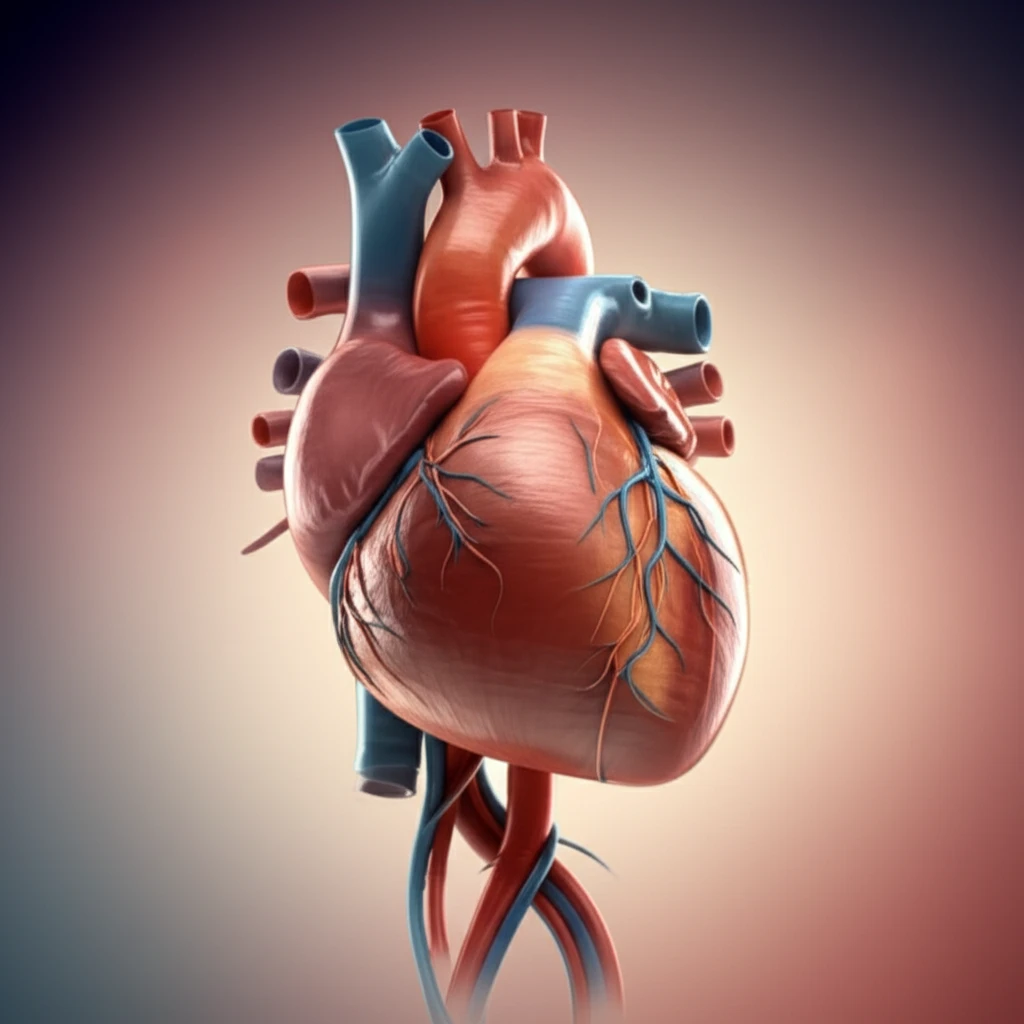
Illustration depicting the connection between the heart and liver in the context of cirrhosis.

Decoding Cirrhosis: How Heart Health Predicts Your Future

"New research reveals the critical link between heart health and the survival of individuals with cirrhosis, offering hope and direction for better care."


Cirrhosis, a chronic liver disease often caused by excessive alcohol consumption, hepatitis, or non-alcoholic fatty liver disease (NAFLD), affects millions worldwide. While the liver's damage is the primary concern, this condition can also have far-reaching effects on other parts of the body, including the heart. A recent study published in a leading medical journal has shed new light on how cardiovascular health is linked to the survival of individuals with cirrhosis.

This research examined a large group of cirrhotic patients over an extended period, meticulously assessing their heart function and other vital health metrics. The results are compelling, revealing that certain cardiovascular parameters can predict a patient's outcome and, ultimately, their survival. This article will explore these key findings, providing a clear understanding of the connections and their implications.

For those living with cirrhosis, understanding these connections can be empowering. It provides a roadmap for both patients and healthcare providers, guiding them toward proactive steps to manage the disease and improve the quality of life. By focusing on cardiovascular health, we can enhance the treatment of cirrhosis.

Unveiling the Cardiovascular-Cirrhosis Connection: Key Findings from the Study

Illustration depicting the connection between the heart and liver in the context of cirrhosis.

The study followed 115 patients with cirrhosis for at least six years, a significant duration that allowed researchers to observe long-term outcomes. The researchers used advanced techniques to assess each patient's heart health, looking at various aspects of cardiac function and structure. They also considered other relevant factors, such as the severity of liver disease, age, and overall health status.

The study's primary finding is that several cardiovascular parameters can significantly predict the risk of death in cirrhotic patients. These parameters provide valuable insights for healthcare providers and patients alike. The research indicated that certain cardiovascular parameters have a greater impact on patient outcomes. These parameters included:

  • Left Atrial Enlargement: Individuals with larger left atria, a chamber of the heart, faced a higher risk.
  • Increased Heart Rate: A faster heart rate was associated with a poorer prognosis, indicating a strain on the cardiovascular system.
  • Elevated E/e' Ratio: The E/e' ratio, a measure of left ventricular filling pressure, emerged as a significant predictor.
  • Reduced Mean Arterial Pressure: Lower blood pressure was also linked to a less favorable outcome.
The study's findings underscore the importance of comprehensive cardiovascular assessment in patients with cirrhosis. By closely monitoring these parameters, healthcare professionals can tailor treatment plans and intervene early to improve patient outcomes. The study also points to the potential for lifestyle changes and medical interventions to positively affect these cardiovascular risk factors.

The Future of Cirrhosis Care: A Call to Action

This research marks a significant step forward in understanding and managing cirrhosis. By highlighting the critical role of cardiovascular health, the study provides an opportunity to improve the treatment and care of those living with this challenging condition. As we learn more about the intricate relationship between the heart and the liver, the future of cirrhosis care looks increasingly promising, offering hope for improved patient outcomes and a better quality of life.

About this Article -

This article was crafted using a human-AI hybrid and collaborative approach. AI assisted our team with initial drafting, research insights, identifying key questions, and image generation. Our human editors guided topic selection, defined the angle, structured the content, ensured factual accuracy and relevance, refined the tone, and conducted thorough editing to deliver helpful, high-quality information.See our About page for more information.

This article is based on research published under:

DOI-LINK: 10.1002/hep.29520, Alternate LINK

Title: Cardiovascular Predictors Of Death In Patients With Cirrhosis

Subject: Hepatology

Journal: Hepatology

Publisher: Wiley

Authors: Maurizio Cesari, Anna Chiara Frigo, Marta Tonon, Paolo Angeli

Published: 2018-07-01

Everything You Need To Know

1

What specific heart-related factors have been identified as impacting the survival rates of individuals with cirrhosis?

Research indicates that specific cardiovascular parameters can significantly predict the risk of death in individuals with cirrhosis. Key parameters include Left Atrial Enlargement, where individuals with larger left atria face a higher risk; Increased Heart Rate, where a faster heart rate indicates a strain on the cardiovascular system and a poorer prognosis; Elevated E/e' Ratio, a measure of left ventricular filling pressure; and Reduced Mean Arterial Pressure, where lower blood pressure is linked to a less favorable outcome. Monitoring these parameters can help tailor treatment plans.

2

Why is the link between cardiovascular health and cirrhosis prognosis considered significant?

The connection is significant because it highlights that cirrhosis, a chronic liver disease, has far-reaching effects beyond the liver, impacting other parts of the body, including the heart. Identifying cardiovascular parameters like Left Atrial Enlargement, Increased Heart Rate, Elevated E/e' Ratio, and Reduced Mean Arterial Pressure as predictors of survival allows for proactive management. By understanding and addressing these factors, healthcare providers can improve patient outcomes and quality of life for those living with cirrhosis.

3

How does the study's duration contribute to understanding the connection between heart health and cirrhosis?

The study followed 115 patients with cirrhosis for at least six years, which is a significant duration. This long-term observation allowed researchers to see how cardiovascular parameters such as Left Atrial Enlargement, Increased Heart Rate, Elevated E/e' Ratio, and Reduced Mean Arterial Pressure influenced the outcomes of patients with cirrhosis over time. The extended period provided valuable insights into the long-term effects and predictive capabilities of these cardiovascular factors, solidifying their importance in managing the disease.

4

What implications does the 'Elevated E/e' Ratio' have for individuals with cirrhosis, and why is it a significant predictor?

The E/e' ratio measures left ventricular filling pressure, and an Elevated E/e' Ratio suggests increased pressure and strain on the heart. In cirrhosis patients, this is a critical indicator because liver damage can lead to circulatory changes that affect the heart. An Elevated E/e' Ratio suggests the heart is working harder to pump blood. It is a significant predictor because it reflects the interconnectedness of liver and heart health in cirrhosis, highlighting that cardiovascular function is crucial for survival. This goes beyond the liver, and monitoring this ratio can help healthcare providers intervene with appropriate cardiovascular support, alongside managing the liver disease.

5

Beyond monitoring cardiovascular parameters, what future actions might improve cirrhosis care based on these findings?

Based on the findings, future actions include integrating routine cardiovascular assessments into cirrhosis management protocols. Also, further research can explore targeted medical interventions or lifestyle changes to positively influence parameters like Left Atrial Enlargement, Increased Heart Rate, Elevated E/e' Ratio, and Reduced Mean Arterial Pressure. This could involve medications to manage blood pressure or heart rate, dietary changes, or exercise programs tailored for cirrhosis patients. Addressing both liver health and cardiovascular well-being offers a comprehensive approach to improving patient outcomes and quality of life.

Newsletter Subscribe

Subscribe to get the latest articles and insights directly in your inbox.