
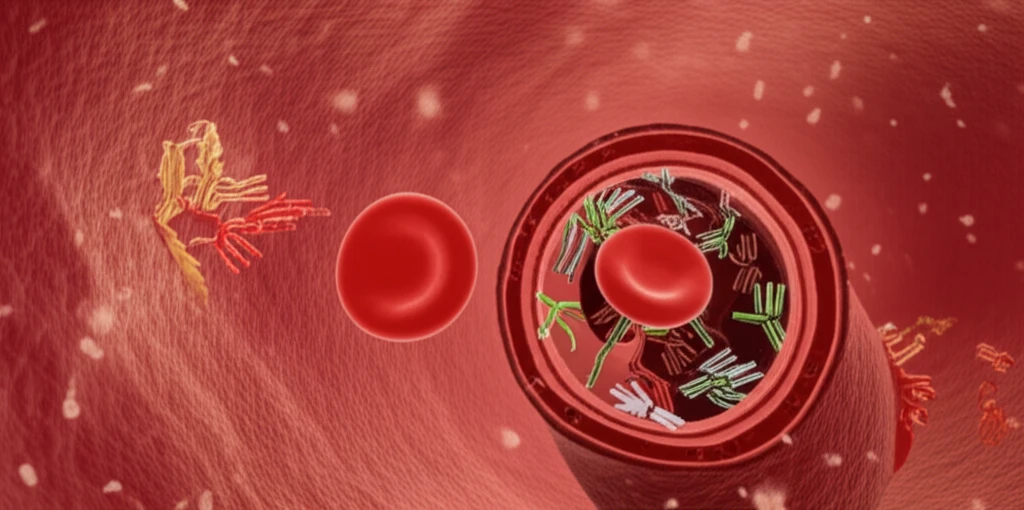
Illustration showing the difference between healthy and antibody-affected red blood cells in a blood vessel.

Decoding Blood Mysteries: How Transfusions Affect Your Health, Especially If You Have Thalassemia

"Understanding the Risks and Realities of Blood Transfusions in Patients with Thalassemia, and Why Awareness Matters."


Blood transfusions are a cornerstone of modern medicine, providing life-saving support to millions. They're crucial for managing conditions like severe anemia, blood loss from injuries, and various inherited disorders. However, while transfusions save lives, they can also introduce complications that many people aren't aware of. This article will explore these potential challenges, with a special focus on how they affect individuals with thalassemia, a genetic blood disorder.

Thalassemia, a group of inherited blood disorders, affects the body's ability to produce hemoglobin, the protein in red blood cells that carries oxygen. This can lead to severe anemia, necessitating regular blood transfusions. While these transfusions are vital, they can lead to an array of issues, including alloimmunization and the formation of red blood cell (RBC)-bound IgG antibodies. These complications can significantly impact a patient's health and treatment.

This exploration will delve into the science behind transfusion complications, the specific challenges faced by people with thalassemia, and the importance of proactive healthcare. We'll examine the latest research and provide clear, easy-to-understand information to empower you with knowledge about your health or the health of your loved ones.

The Hidden Risks: Unpacking Alloimmunization and RBC-Bound IgG

Illustration showing the difference between healthy and antibody-affected red blood cells in a blood vessel.

One of the most significant complications of blood transfusions is alloimmunization. This occurs when the recipient's immune system recognizes the transfused red blood cells as foreign, leading to the production of antibodies. These antibodies can then attack the transfused red blood cells, reducing their effectiveness and causing the patient's body to destroy them more quickly. This can result in a condition where future transfusions become less effective or cause adverse reactions.

RBC-bound IgG, or immunoglobulin G, is another critical factor. IgG antibodies can attach to the surface of red blood cells, often signaling the immune system to destroy them. This process can cause hemolysis, which is the destruction of red blood cells. When IgG binds to RBCs, it can also make it harder for the body to receive further transfusions, raising transfusion requirements.

  • Alloimmunization: The immune system's reaction to foreign red blood cells, leading to antibody production.
  • RBC-Bound IgG: Antibodies attached to red blood cells, potentially causing their destruction.
  • Hemolysis: The breakdown of red blood cells, often triggered by RBC-bound IgG.
  • Increased Transfusion Needs: When transfusions become less effective due to alloimmunization or hemolysis.
In individuals with thalassemia, the risk of these complications is elevated due to the frequent need for transfusions. Research shows that patients with thalassemia have a higher chance of developing alloimmunization and RBC-bound IgG, underscoring the necessity for vigilant monitoring and proactive management.

Empowerment Through Awareness: Taking Control of Your Health

Understanding the potential risks associated with blood transfusions, especially for those with thalassemia, is the first step towards better health outcomes. Regular monitoring, early detection of complications, and open communication with your healthcare provider are essential. By staying informed and proactive, you can significantly improve your quality of life and manage your condition effectively. Remember, knowledge is power when it comes to your health.

About this Article -

This article was crafted using a human-AI hybrid and collaborative approach. AI assisted our team with initial drafting, research insights, identifying key questions, and image generation. Our human editors guided topic selection, defined the angle, structured the content, ensured factual accuracy and relevance, refined the tone, and conducted thorough editing to deliver helpful, high-quality information.See our About page for more information.

This article is based on research published under:

DOI-LINK: 10.1080/16078454.2018.1549818, Alternate LINK

Title: Prevalence And Clinical Significances Of Red Cell Alloimmunization And Red Cell Bound Immunoglobulin G In Polytransfused Patients With Thalassemias

Subject: Hematology

Journal: Hematology

Publisher: Informa UK Limited

Authors: Anchalee Thedsawad, Orathai Taka, Wanchai Wanachiwanawin

Published: 2018-11-27

Everything You Need To Know

1

What is alloimmunization and why is it a concern in blood transfusions?

Alloimmunization is the immune system's response to foreign red blood cells introduced during a blood transfusion. The body identifies these transfused red blood cells as threats and produces antibodies to attack them. This process can make future transfusions less effective because the body might destroy the transfused red blood cells more quickly, or cause adverse reactions. This is especially concerning for individuals with thalassemia, as they often require frequent transfusions, increasing their exposure to foreign blood cells and therefore the risk of alloimmunization.

2

How does RBC-bound IgG affect the body during and after a blood transfusion?

RBC-bound IgG, or immunoglobulin G, are antibodies that attach to the surface of red blood cells. This attachment can trigger hemolysis, which is the destruction of red blood cells. This destruction can occur because the immune system recognizes the IgG-coated red blood cells as targets. The presence of RBC-bound IgG can also make it more difficult for the body to accept future transfusions, potentially increasing the need for more frequent transfusions or leading to transfusion reactions. This is a significant concern, particularly for those with thalassemia, who rely on regular transfusions to manage their condition.

3

Why are people with thalassemia at a higher risk of complications from blood transfusions?

Individuals with thalassemia require frequent blood transfusions due to their body's inability to produce sufficient hemoglobin. This repeated exposure to foreign red blood cells increases their risk of alloimmunization. Furthermore, the chronic nature of transfusions in thalassemia patients elevates the likelihood of developing RBC-bound IgG antibodies. Both of these factors contribute to a higher incidence of complications, including reduced transfusion efficacy and potential adverse reactions, emphasizing the need for careful monitoring and management in this population.

4

What is hemolysis and how is it related to RBC-bound IgG?

Hemolysis is the breakdown or destruction of red blood cells. RBC-bound IgG plays a direct role in triggering this process. When IgG antibodies bind to the surface of red blood cells, they signal the immune system to destroy these cells. This destruction leads to hemolysis, which can result in a shortage of red blood cells, worsening anemia, and potentially causing other health problems. This is a significant concern in transfusion medicine, especially when a patient's body is actively destroying transfused red blood cells due to the presence of RBC-bound IgG.

5

How can individuals with thalassemia proactively manage their health regarding blood transfusions?

Proactive management involves several key strategies. First, individuals should maintain open communication with their healthcare providers, discussing any symptoms or concerns related to transfusions. Second, regular monitoring is crucial, including blood tests to detect alloimmunization and the presence of RBC-bound IgG. Third, staying informed about the potential risks associated with transfusions is vital. Early detection of complications allows for timely interventions, such as modified transfusion protocols or additional treatments. By being aware of the risks and actively participating in their healthcare, individuals with thalassemia can significantly improve their quality of life and manage their condition effectively.

Newsletter Subscribe

Subscribe to get the latest articles and insights directly in your inbox.