
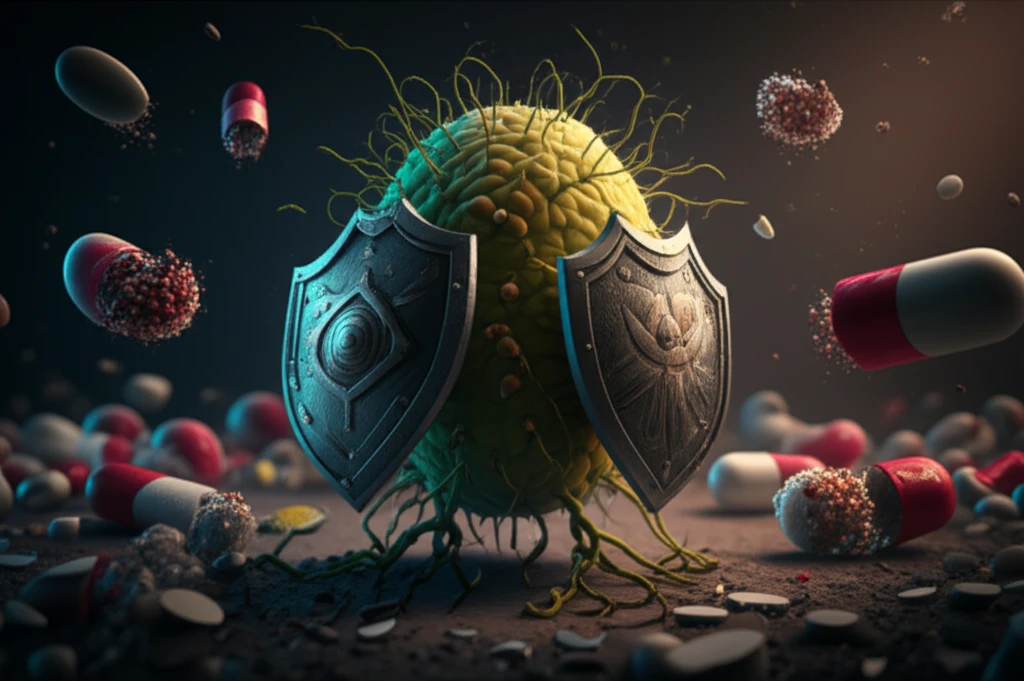
A bacterium with a shield symbolizing antibiotic resistance.

Decoding Antibiotic Resistance: What You Need to Know

"A closer look at polymyxin resistance and its implications for public health."


In an era where medical advancements have significantly extended human lifespans, the rise of antibiotic resistance presents a formidable challenge. Antibiotics, once hailed as miracle drugs, are now facing a growing threat from bacteria that have evolved to resist their effects. This resistance not only undermines our ability to treat common infections but also poses a significant risk to public health.

One class of antibiotics, polymyxins, has become increasingly important as a last-resort treatment for infections caused by multidrug-resistant bacteria. However, even these powerful drugs are not immune to the spread of resistance. Understanding how resistance to polymyxins develops and spreads is crucial for developing strategies to combat this growing threat.

This article delves into the complexities of antibiotic resistance, focusing on polymyxins and the mechanisms by which bacteria develop resistance. We will explore the factors driving this resistance, its implications for public health, and the strategies being developed to address this critical issue. By understanding the science behind antibiotic resistance, we can better equip ourselves to protect our health and the health of our communities.

The Rising Threat of Polymyxin Resistance

A bacterium with a shield symbolizing antibiotic resistance.

Polymyxins, including polymyxin B and colistin, are a class of antibiotics that have been used for decades to treat infections caused by Gram-negative bacteria. These drugs work by disrupting the bacterial cell membrane, leading to cell death. However, the widespread use of polymyxins has led to the emergence of bacteria that are resistant to these drugs.

The development of polymyxin resistance is a complex process involving several mechanisms. Some bacteria have evolved to modify their cell membranes, making them less susceptible to the effects of polymyxins. Others have developed enzymes that can break down polymyxins, rendering them ineffective. Additionally, some bacteria have acquired genes that confer resistance to polymyxins, which can be transferred to other bacteria.

  • Adaptive Resistance: Bacteria develop resistance during treatment due to genetic mutations.
  • Intrinsic Resistance: Some bacteria are naturally resistant to polymyxins.
  • Acquired Resistance: Bacteria obtain resistance genes from other resistant bacteria.
Several factors contribute to the rise of polymyxin resistance. Overuse and misuse of antibiotics in human medicine and agriculture play a significant role. When antibiotics are used unnecessarily, bacteria are exposed to selective pressure that favors the survival and spread of resistant strains. Poor infection control practices in healthcare settings also contribute to the spread of resistant bacteria.

Combating Antibiotic Resistance: A Call to Action

The rise of antibiotic resistance, particularly to last-resort drugs like polymyxins, poses a significant threat to public health. Addressing this challenge requires a multi-faceted approach involving healthcare professionals, policymakers, and the public. Strategies to combat antibiotic resistance include promoting responsible antibiotic use, improving infection control practices, developing new antibiotics and alternative therapies, and raising public awareness about the importance of antibiotic stewardship.

About this Article -

This article was crafted using a human-AI hybrid and collaborative approach. AI assisted our team with initial drafting, research insights, identifying key questions, and image generation. Our human editors guided topic selection, defined the angle, structured the content, ensured factual accuracy and relevance, refined the tone, and conducted thorough editing to deliver helpful, high-quality information.See our About page for more information.

Everything You Need To Know

1

What is antibiotic resistance, and why is it a problem?

Antibiotic resistance is the ability of bacteria to withstand the effects of antibiotics, which were once effective in treating infections. This evolution of resistance is a significant concern because it undermines our ability to treat common infections, potentially leading to more severe illnesses and increased public health risks. The rise of antibiotic resistance can result in infections that are more difficult and costly to treat.

2

What are polymyxins, and why are they important?

Polymyxins, including polymyxin B and colistin, are a class of antibiotics used as a last resort to treat infections caused by multidrug-resistant bacteria, particularly Gram-negative bacteria. They work by disrupting the bacterial cell membrane. Their importance lies in their ability to combat infections when other antibiotics fail. However, the rise of polymyxin resistance threatens the effectiveness of these crucial drugs, leaving fewer treatment options for severe infections.

3

How do bacteria become resistant to polymyxins?

Bacteria develop polymyxin resistance through multiple mechanisms. Adaptive resistance occurs when bacteria develop resistance during treatment due to genetic mutations. Intrinsic resistance means some bacteria are naturally resistant to polymyxins. Acquired resistance happens when bacteria obtain resistance genes from other resistant bacteria. These mechanisms can modify the cell membranes, produce enzymes that break down the antibiotic, or acquire genes that confer resistance. Understanding these mechanisms is crucial to developing effective strategies to combat resistance.

4

What factors contribute to the rise of polymyxin resistance?

Several factors contribute to the rise of polymyxin resistance. Overuse and misuse of antibiotics, both in human medicine and agriculture, create selective pressure that favors resistant strains. Poor infection control practices in healthcare settings also enable the spread of resistant bacteria. The more antibiotics are used, especially when unnecessary, the greater the chance for bacteria to develop and spread resistance, thus making infections harder to treat.

5

What can be done to combat antibiotic resistance?

Combating antibiotic resistance, especially to polymyxins, requires a multi-faceted approach. Strategies include promoting responsible antibiotic use, improving infection control practices in healthcare settings, developing new antibiotics and alternative therapies, and raising public awareness about antibiotic stewardship. A collaborative effort involving healthcare professionals, policymakers, and the public is essential to preserving the effectiveness of antibiotics and protecting public health.

Newsletter Subscribe

Subscribe to get the latest articles and insights directly in your inbox.