
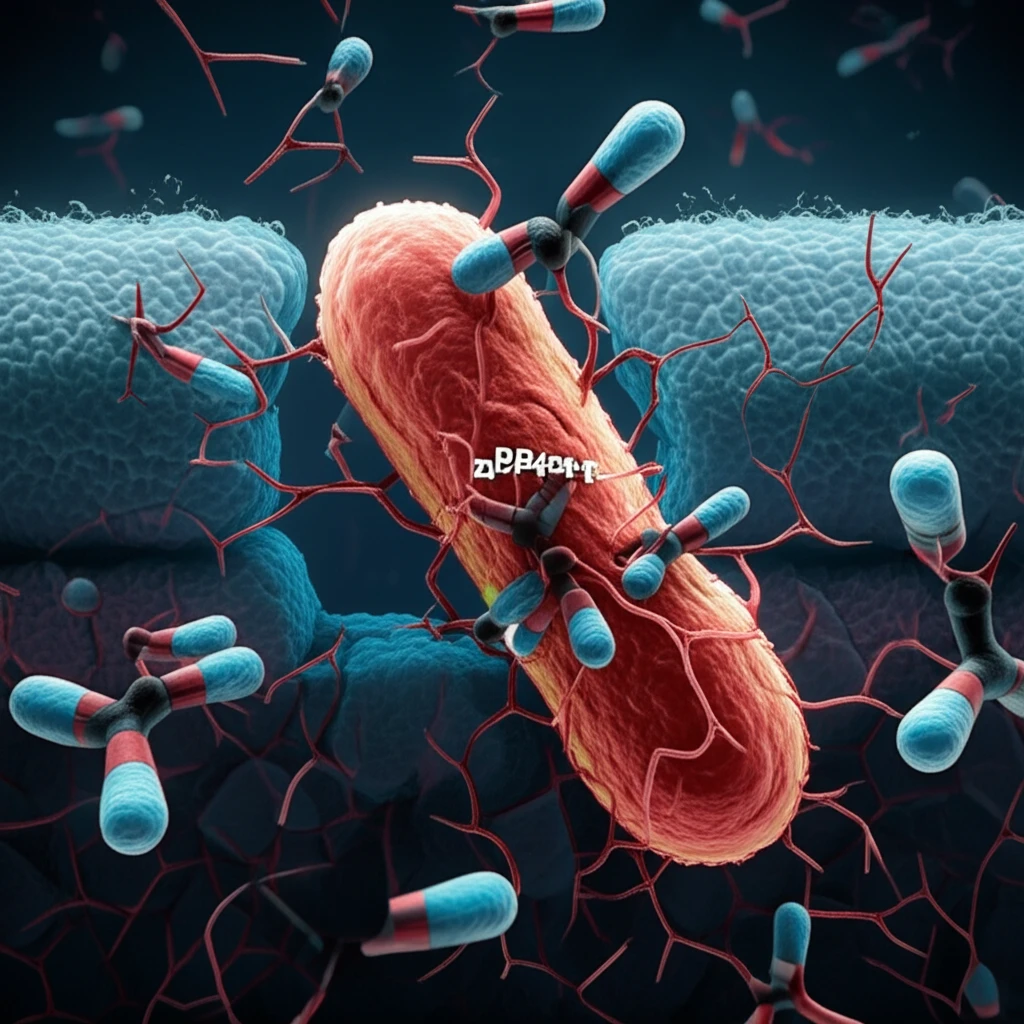
Decoding Antibiotic Resistance: How PBP4 Alterations Impact Superbugs

"A deep dive into how altered PBP4 function mediates beta-lactam resistance in Staphylococcus aureus, paving the way for novel therapeutic strategies."
Antibiotic resistance poses a significant threat to global healthcare, with Staphylococcus aureus leading the charge. Traditional beta-lactam antibiotics, such as penicillin and methicillin, face increasing resistance, primarily through the bacteria's adept manipulation of penicillin-binding proteins (PBPs). Understanding the mechanisms behind this resistance is crucial for developing new strategies to combat these superbugs.
Recent research has shed light on the role of PBP4, a low molecular weight PBP, in mediating beta-lactam resistance. While the precise function of PBP4 has remained elusive, studies have indicated that alterations in PBP4, stemming from missense and promoter mutations, significantly contribute to high-level antibiotic resistance. This discovery opens new avenues for exploring how bacteria evolve and adapt to survive antibiotic treatments.
This article delves into the findings of a pivotal study that investigates how PBP4 alterations influence beta-lactam resistance in S. aureus. By examining the impact of specific mutations and their effects on bacterial cell wall structure and antibiotic susceptibility, we uncover potential targets for future drug development and resistance mitigation strategies.
How Do PBP4 Mutations Drive Antibiotic Resistance?
The study pinpointed specific missense mutations near the active site of PBP4 that significantly contribute to beta-lactam resistance. Additionally, promoter mutations leading to the overexpression of pbp4 were identified. These genetic changes alter the bacterial cell wall and its response to antibiotics.
- Missense Mutations: Altered the structure of PBP4, reducing its affinity for beta-lactam antibiotics.
- Promoter Mutations: Increased the production of PBP4, overwhelming the effects of antibiotics.
- Cell Wall Thickening: Strains with altered PBP4 displayed thicker cell walls, providing an additional layer of protection against antibiotics.
Future Implications and Therapeutic Strategies
These findings highlight PBP4 as a crucial target for developing novel therapeutic strategies to combat antibiotic resistance in S. aureus. By understanding the specific mechanisms through which PBP4 mediates resistance, researchers can design drugs that inhibit PBP4 function or circumvent its resistance mechanisms. This research paves the way for innovative approaches to overcome antibiotic resistance and improve treatment outcomes.