
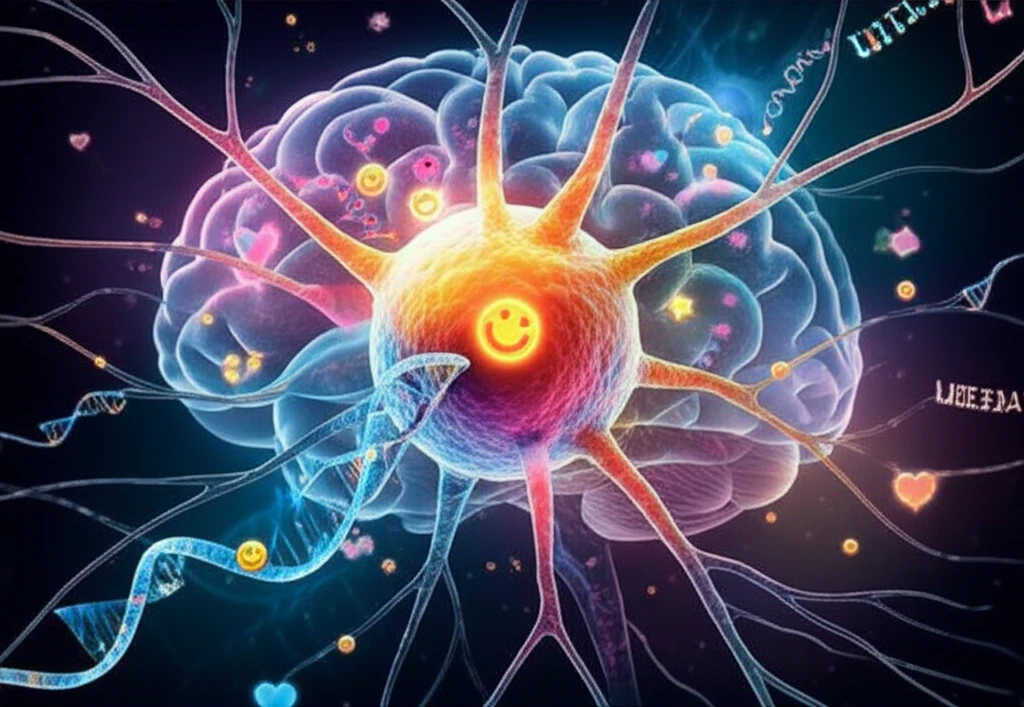
Illustration of a neuron, DNA strands, and the UBE3A gene, representing Angelman Syndrome.

Decoding Angelman Syndrome: Unraveling the Mystery of a Rare Genetic Disorder

"Understanding the Causes, Symptoms, and Impact on Daily Life"


Angelman Syndrome (AS) is a rare neurogenetic disorder, often characterized by developmental delays, intellectual disability, and distinctive physical features. First described in 1965, AS presents a unique set of challenges for individuals and their families. With a prevalence estimated between 1 in 10,000 to 1 in 40,000 births, understanding this condition is crucial for early diagnosis, effective management, and support.

This article aims to provide a comprehensive overview of Angelman Syndrome. We'll explore the genetic and molecular basis of the condition, examine the various symptoms and behaviors associated with AS, and discuss the impact this disorder has on daily life. Furthermore, we'll touch upon the latest research findings and the potential for future treatments, offering hope and understanding for those affected by this complex disorder.

As we delve into the intricacies of Angelman Syndrome, it's essential to approach this topic with sensitivity and empathy. Our goal is to provide accurate information, promote awareness, and offer support to individuals, families, and caregivers navigating the challenges of AS. This journey through the science of Angelman Syndrome will not only illuminate the complexities of the condition but also highlight the resilience and strength of those living with it.

What is Angelman Syndrome? An Overview of the Disorder

Illustration of a neuron, DNA strands, and the UBE3A gene, representing Angelman Syndrome.

Angelman Syndrome is a neurogenetic disorder primarily affecting the nervous system. It is caused by a loss of function of a gene called UBE3A, which is located on chromosome 15. This gene is critical for normal brain development and function. The absence or malfunction of the UBE3A gene leads to a range of developmental and neurological issues, contributing to the characteristic features of AS.

The genetic mechanisms behind Angelman Syndrome are complex. In most cases, AS is not inherited from the parents but occurs spontaneously. The most common cause is a deletion of a portion of chromosome 15 inherited from the mother. Other causes include mutations in the UBE3A gene, imprinting defects, and uniparental disomy (where both copies of chromosome 15 come from the father). These genetic variations all result in the same outcome: a lack of functional UBE3A protein in the brain.

  • Developmental Delays: Delays in reaching milestones, such as sitting, crawling, and walking.
  • Intellectual Disability: Varying degrees of intellectual impairment, often severe.
  • Speech Impairment: Limited or absent verbal communication.
  • Movement Disorders: Ataxia (unsteady gait) and tremors.
  • Behavioral Issues: Frequent smiling and laughter, excitability, and a happy demeanor.
  • Distinctive Physical Features: Microcephaly (small head), characteristic facial features, and a protruding tongue.
The symptoms of Angelman Syndrome vary in severity, but certain characteristics are commonly observed. Individuals with AS often exhibit delays in development, particularly in motor skills and speech. They may have intellectual disabilities, ranging from moderate to severe. Behavioral traits, such as frequent smiling, laughter, and an excitable personality, are also typical. Physical features can include microcephaly, characteristic facial features like a wide mouth and a protruding tongue, and movement disorders, such as ataxia and tremors. The combination of these features makes AS a recognizable, though complex, condition.

Looking Ahead: Research, Support, and the Future of Angelman Syndrome

Angelman Syndrome presents a unique set of challenges, but with increased awareness, dedicated research, and the development of new treatments, there is hope for a brighter future. Ongoing research is focused on better understanding the genetic mechanisms behind AS, exploring potential therapeutic interventions, and improving the quality of life for those affected. The journey of Angelman Syndrome is an ongoing one, marked by continuous learning, resilience, and unwavering dedication to improving the lives of individuals and families. With continued support, collaboration, and innovation, we can make a significant impact on the future of Angelman Syndrome, bringing hope and a better quality of life to those living with this condition.

About this Article -

This article was crafted using a human-AI hybrid and collaborative approach. AI assisted our team with initial drafting, research insights, identifying key questions, and image generation. Our human editors guided topic selection, defined the angle, structured the content, ensured factual accuracy and relevance, refined the tone, and conducted thorough editing to deliver helpful, high-quality information.See our About page for more information.

This article is based on research published under:

DOI-LINK: 10.1590/s0047-20852011000400014, Alternate LINK

Title: A Patogênese Genética E Molecular Da Síndrome De Angelman

Subject: Psychiatry and Mental health

Journal: Jornal Brasileiro de Psiquiatria

Publisher: FapUNIFESP (SciELO)

Authors: Angelica Francesca Maris, Alexis Trott

Published: 2011-01-01

Everything You Need To Know

1

What exactly is Angelman Syndrome, and what part of the body does it primarily affect?

Angelman Syndrome (AS) is a rare neurogenetic disorder. It primarily impacts the nervous system. The condition arises from a loss of function of the UBE3A gene, which is located on chromosome 15. This gene is essential for normal brain development and function, and its absence or malfunction leads to a range of developmental and neurological issues characteristic of AS.

2

What are the most common genetic causes behind Angelman Syndrome, and are these causes typically inherited?

The genetic mechanisms behind Angelman Syndrome are complex, but the most common cause is a deletion of a portion of chromosome 15 inherited from the mother. Other causes include mutations in the UBE3A gene, imprinting defects, and uniparental disomy (where both copies of chromosome 15 come from the father). In most cases, Angelman Syndrome is not inherited from the parents but occurs spontaneously.

3

Besides frequent smiling and laughter, what are some other key behavioral characteristics associated with Angelman Syndrome?

In addition to frequent smiling and laughter, individuals with Angelman Syndrome often exhibit excitability and a generally happy demeanor. These behavioral traits, combined with developmental delays, intellectual disability, and movement disorders, contribute to the recognizable presentation of Angelman Syndrome. It's important to note that the severity of these symptoms can vary among individuals.

4

How does the absence or malfunction of the UBE3A gene lead to the various symptoms observed in Angelman Syndrome, and what specific roles does this gene play in typical brain function?

The UBE3A gene provides instructions for making a protein called ubiquitin ligase E3A. This enzyme is involved in protein degradation, a process that helps regulate the levels of certain proteins in cells. In the brain, the UBE3A protein plays a crucial role in the development and function of synapses, which are the connections between nerve cells. When the UBE3A gene is missing or mutated, the resulting deficiency of the UBE3A protein disrupts synaptic function and neuronal communication. This disruption leads to the characteristic features of Angelman Syndrome, including developmental delays, intellectual disability, speech impairment, movement disorders, and behavioral issues. The absence of functional UBE3A protein particularly affects the cerebellum, a region of the brain responsible for motor coordination and balance, contributing to the ataxia (unsteady gait) and tremors often seen in individuals with Angelman Syndrome. Research is ongoing to fully understand the specific mechanisms by which UBE3A deficiency leads to the various symptoms of AS, but it is clear that this protein is essential for proper brain development and function.

5

What kind of ongoing research is being done to improve the lives of individuals with Angelman Syndrome, and what future treatments are being explored?

Ongoing research focuses on understanding the genetic mechanisms behind Angelman Syndrome and exploring potential therapeutic interventions to improve the quality of life for those affected. Researchers are investigating gene therapy approaches aimed at restoring the function of the missing or mutated UBE3A gene. Other potential treatments under investigation include pharmacological interventions designed to target specific symptoms of Angelman Syndrome, such as seizures, sleep disturbances, and behavioral issues. Additionally, there is ongoing research focused on improving diagnostic methods, developing better support services for individuals and families affected by AS, and promoting greater awareness of this complex condition.

Newsletter Subscribe

Subscribe to get the latest articles and insights directly in your inbox.