
Decoding Adenomyosis: The Silent Struggle and How Ultrasound is Shining a Light

"Understanding the Challenges, Diagnosis, and Hope for Women Facing Adenomyosis"
For countless women, the term "adenomyosis" remains shrouded in mystery. This condition, characterized by the presence of endometrial tissue within the uterine muscle, can silently disrupt lives, causing pain, heavy bleeding, and even fertility challenges. Adenomyosis is often referred to as the "silent disease" because its symptoms can be mistaken for other conditions, leading to delays in diagnosis and treatment. This article seeks to lift the veil on adenomyosis, offering clarity, support, and hope for those affected.
This article is crafted for those seeking answers, understanding, and validation. We'll navigate the complex world of adenomyosis, from its origins and symptoms to the latest diagnostic techniques and treatment options. Our goal is to equip you with knowledge, empowering you to make informed decisions about your health and well-being. We aim to create a safe space for discussion.
The prevalence of adenomyosis, while difficult to pinpoint precisely, is estimated to affect a significant percentage of women, with studies suggesting it impacts anywhere from 20% to 35% of women of reproductive age. However, because it's often underdiagnosed or misdiagnosed, the true number could be even higher. The good news is that with advancements in medical imaging and increased awareness, diagnosis and effective management are becoming more accessible.
What is Adenomyosis? Unveiling the Ins and Outs of This Condition
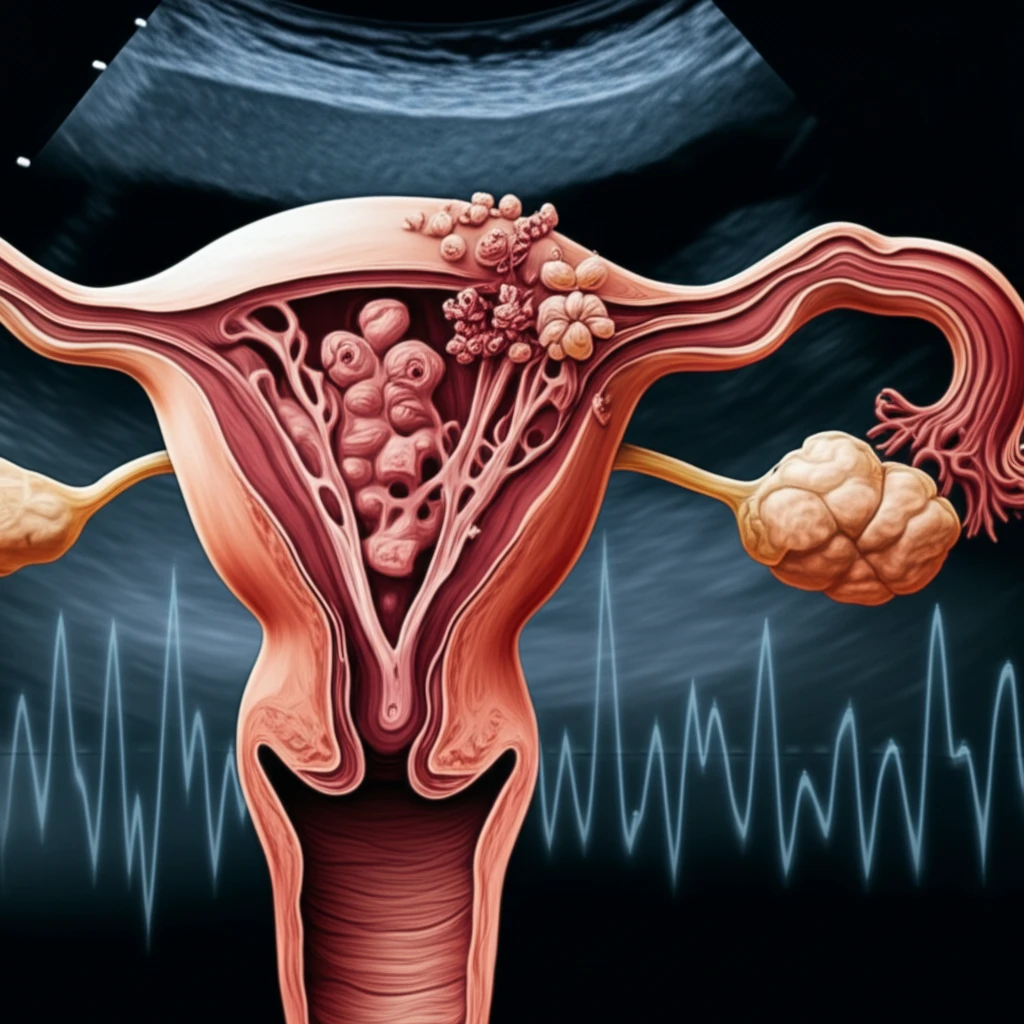
Adenomyosis is a gynecological condition where the endometrial tissue, which normally lines the uterus, grows into the muscular wall of the uterus (myometrium). This misplaced tissue behaves much like the normal endometrium; it thickens, sheds, and bleeds with each menstrual cycle. The endometrial tissue's presence within the myometrium causes the uterine muscle to thicken and swell, leading to various symptoms.
- Painful Periods (Dysmenorrhea): Severe cramping and pain during menstruation are common.
- Heavy Menstrual Bleeding (Menorrhagia): Prolonged and excessive bleeding can lead to anemia.
- Painful Intercourse (Dyspareunia): The condition can cause discomfort or pain during sexual activity.
- Chronic Pelvic Pain: Persistent pain in the lower abdomen or pelvis, even outside of menstruation.
- Enlarged Uterus: The uterus may feel larger and tender to the touch.
- Fertility Issues: Adenomyosis can interfere with fertility, making conception more difficult.
The Path Forward: Hope and Action
Adenomyosis can be a challenging condition to manage, but it is far from a hopeless one. With the right diagnosis, care, and support, women with adenomyosis can lead full, active lives. As research continues to advance, our understanding of adenomyosis will only deepen, leading to even more effective treatments. If you suspect you may have adenomyosis, consult with a healthcare provider. Advocate for your health and remember that you are not alone on this journey. Support groups and online communities can provide vital emotional support and information. Awareness, early diagnosis, and effective management are key to reclaiming your health and well-being. Remember, knowledge is power, and with the right information, you can take control and live a life that is as fulfilling as possible.