
Declutter Your Digital Life: How to Conquer Virtual Hoarding

"Is your digital world overflowing? Learn practical strategies to manage and declutter your virtual possessions for a more organized and stress-free life."
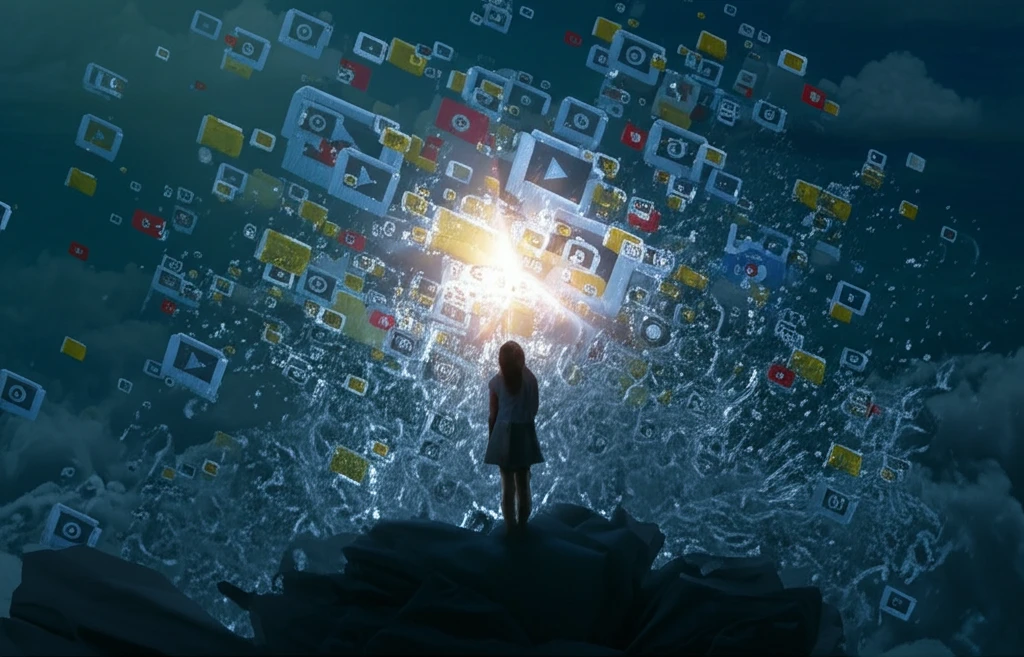
In our hyper-connected world, we've all accumulated a vast collection of digital stuff: photos, videos, documents, social media connections, and more. While it's easier than ever to save and store these virtual items, the sheer volume can quickly become overwhelming, leading to a phenomenon known as virtual or digital hoarding.
Digital hoarding, much like its physical counterpart, involves the excessive accumulation of virtual goods, often to the point where it negatively impacts our lives. It can clog our devices, slow down our productivity, create anxiety, and even pose security risks.
But don't worry, you don't have to be a digital minimalist to regain control of your digital life. This article provides a practical guide to understanding, managing, and decluttering your virtual possessions, so you can create a more organized, efficient, and stress-free digital environment.
The Scale of Digital Accumulation
While comprehensive prevalence data on digital hoarding remains limited, researchers increasingly recognize it as a significant behavioral phenomenon in the modern era. Digital clutter—the byproduct of unmanaged digital accumulation—affects individuals across personal and professional contexts. Early conceptual work has described digital hoarding as involving virtual goods such as databases, videos, images, and digital documents in workplace, household, and personal settings. The phenomenon has gained enough scholarly attention to warrant dedicated academic investigation, though large-scale epidemiological studies remain scarce.
Research Methods and Conceptual Gaps
Researchers have primarily relied on survey methods to study digital hoarding, using large samples to test and confirm a-priori models of the behavior. A scoping review published in 2026 integrated existing literature on digital possessions to develop a more robust conceptual framework for understanding digital hoarding. However, scholars note that most evidence comes from university samples using cross-sectional survey designs, which limits the ability to view digital hoarding as a longitudinal behavioral process. Additionally, there is limited understanding of how the relationship between identified factors and digital hoarding changes over time.
Origins of Digital Hoarding Research
Digital hoarding as a formal concept emerged as researchers began documenting cases where individuals excessively accumulated digital files and possessions. The term 'digital clutter' was developed to describe the resulting artifacts of this behavior, though scholars emphasize it should not be understood as exclusively the result of hoarding. Early foundational work outlined hoarding issues involving virtual goods across workplace, household, and personal contexts, establishing the groundwork for subsequent academic investigation into this behavioral pattern.
Understanding the Digital Hoarding Phenomenon
Digital hoarding is more than just having too many files on your computer. It's a complex issue with psychological, organizational, and even environmental implications. The core of the issue lies in the accumulation of virtual goods that include databases, videos, images, avatars, and digital documents across various contexts like workplaces, households, and personal spaces.
- Psychological Attachment: Just like with physical possessions, people can develop emotional attachments to their digital items, making it difficult to delete them, even if they are no longer needed or used.
- Fear of Deletion: The fear of losing important information or regretting a deletion later can lead to the excessive saving of files and data.
- Uncertainty Avoidance: A general sense of uncertainty about the future can drive people to save everything 'just in case' it might be useful someday.
- Organizational Issues: Poor file management habits and a lack of clear strategies for organizing and deleting data can contribute to digital clutter.
Independence from Physical Hoarding
A 2026 study employing a person-centered approach examined whether digital hoarding can exist independently of physical hoarding behavior, addressing a longstanding controversy in the field. The research surveyed 551 social networking site users and challenged previous variable-centered approaches that overlooked heterogeneity in hoarding behaviors. Notably, the first documented case of digital hoarding was reported in 2015, making this a relatively recent area of empirical study. The findings contribute to ongoing debate about whether digital and physical hoarding represent distinct behavioral manifestations or interconnected phenomena.
Documented Negative Consequences
Research using structural equation modeling has demonstrated that digital hoarding significantly influences individuals' perception of loss of control. This loss of control, in turn, has been shown to produce negative consequences in daily life. The findings establish a clear pathway from digital hoarding behavior to tangible adverse outcomes, challenging any notion that excessive digital accumulation is harmless. These results suggest the behavioral patterns associated with digital hoarding carry real psychological and practical costs for individuals.
Cross-Contextual Patterns
Current research on digital hoarding spans multiple contexts including workplace environments, household settings, and personal digital spaces. While direct comparative studies across these contexts remain limited, preliminary evidence suggests the behavior manifests differently depending on the setting and type of digital possessions involved. Scholars have begun exploring how organizational aspects intersect with psychological mechanisms to produce hoarding behavior, though this area requires further investigation to establish clear cross-contextual comparisons.
The Future of Digital Decluttering
As we continue to generate and store increasing amounts of digital data, the challenge of virtual hoarding will only become more pressing. By understanding the underlying causes of digital clutter and implementing effective strategies for managing our virtual possessions, we can create a more organized, efficient, and stress-free digital life. Embracing mindful consumption and regularly decluttering our digital spaces are essential steps towards achieving a healthier relationship with technology.
Psychological Mechanisms and Anxiety Links
A large-scale study using 846 respondents provided confirmatory evidence linking digital hoarding to anxiety, contributing to research on the dark side of technology use. The research established digital hoarding as a distinct concept within information systems scholarship, moving beyond initial conceptualization to empirical validation. By conducting multigroup analysis, researchers demonstrated robust associations between digital hoarding behaviors and psychological distress, establishing this as a legitimate area of concern for understanding technology-related behavioral patterns.
Emerging Research Directions
Researchers have identified thirteen theoretical frameworks in existing digital hoarding literature, highlighting insufficient connections between psychological mechanisms, technological affordances, and organizational aspects. The field faces limitations including reliance on cross-sectional designs and predominantly university-based samples. Future research directions include developing longitudinal approaches to understand digital hoarding as a behavioral process over time, and expanding sample diversity beyond academic populations to capture broader demographic patterns.
Structural Barriers to Understanding
Digital hoarding research faces systemic challenges including the relatively recent emergence of the phenomenon as a formal research topic. The behavior spans multiple domains—from personal devices to organizational systems—creating complexity in establishing unified frameworks. Additionally, the rapid evolution of digital technologies and platforms means that the nature of digital possessions continues to change, requiring ongoing adaptation of research methodologies and conceptual models to remain relevant.
Clinical Applications and Psychological Frameworks
Emerging research has begun exploring digital mental health tools for hoarding disorders, including web-based platforms and cognitive bias modification approaches to enhance engagement and reduce maladaptive behaviors. Recent studies have investigated non-immersive virtual environments as treatment modalities for hoarding-related conditions. However, scholars note that most existing evidence relies on cross-sectional survey designs, which cannot adequately capture digital hoarding as a longitudinal behavioral process, highlighting the need for more ecologically valid research methods.