
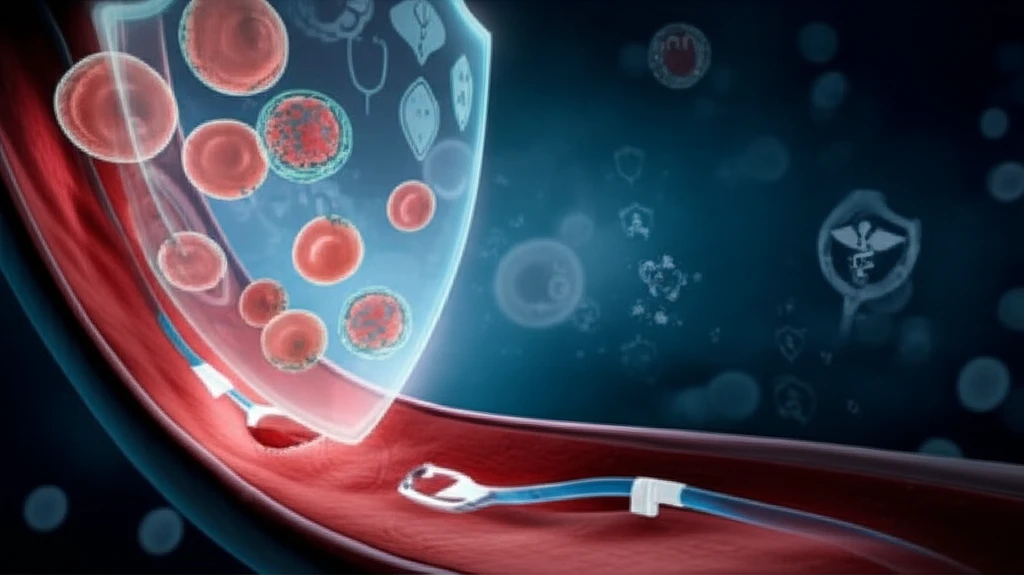
Surreal illustration of hematopoietic stem cells infusion.

Day Zero Dilemmas: Navigating Adverse Reactions in Hematopoietic Stem Cell Transplants

"A comprehensive guide to understanding, preventing, and managing adverse reactions during the critical first day of hematopoietic stem cell transplantation."


Hematopoietic stem cell transplantation (HSCT) represents a beacon of hope for individuals battling malignant and non-malignant hematological disorders. This complex procedure involves high doses of chemotherapy and/or radiotherapy, followed by the infusion of hematopoietic stem cells (HSCs). The goal? To rebuild a healthy blood and immune system, offering patients a chance at long-term remission or even a cure.

The journey through HSCT is divided into three distinct phases: pre-transplant, transplant (including the pivotal "day zero"), and post-transplant. Day zero marks the actual infusion of HSCs, a moment of both anticipation and potential risk. HSCs can be harvested from bone marrow (BM), peripheral blood (PB), or umbilical cord blood (UCB), each presenting unique advantages and challenges.

While HSCT offers remarkable possibilities, the infusion process on day zero is not without potential complications. Adverse reactions (ARs) can range from mild discomfort to severe, life-threatening events. Understanding these reactions, their causes, and effective management strategies is crucial for ensuring patient safety and optimizing treatment outcomes.

Understanding Day Zero Adverse Reactions: What to Expect

Surreal illustration of hematopoietic stem cells infusion.

Adverse reactions during HSC infusion can manifest in various ways, impacting multiple organ systems. These reactions are influenced by several factors, including the characteristics of the infused product (volume, cell count, presence of cryoprotectants like DMSO) and the patient's individual health status. Nurses play a crucial role on Day Zero, being responsible for patient care activities before, during and after the HSC infusion. Their responsibilities are to prevent, identify, and intervene in possible complications related to the procedure.

Several factors can contribute to adverse reactions, categorized primarily into product-related and patient-related factors. Product-related factors include:

  • Volume of Infusion: Larger volumes can sometimes lead to fluid overload and related complications.
  • Cell Concentration: High concentrations of cells or granulocytes can trigger inflammatory responses.
  • DMSO Toxicity: Dimethyl sulfoxide (DMSO), a cryoprotectant used to preserve cells, can cause a range of reactions, from nausea to bradycardia.
  • ABO Incompatibility: Mismatches in ABO blood groups can lead to hemolytic reactions.
Understanding how these factors interact is essential for tailoring the transplantation process to minimize risks and enhance patient well-being. Patient-related factors include age, weight, pre-existing conditions, and overall clinical condition. Recognizing and addressing these variables can significantly improve patient outcomes during this critical phase of HSCT.

Empowering Patients and Professionals: A Collaborative Approach

Successfully navigating day zero of HSCT requires a collaborative effort between healthcare professionals and patients. By understanding the potential adverse reactions, implementing preventive strategies, and responding effectively to complications, we can significantly improve the safety and efficacy of this life-saving procedure. Further research and standardized protocols are essential to refine our approach and ensure the best possible outcomes for every patient undergoing hematopoietic stem cell transplantation.

About this Article -

This article was crafted using a human-AI hybrid and collaborative approach. AI assisted our team with initial drafting, research insights, identifying key questions, and image generation. Our human editors guided topic selection, defined the angle, structured the content, ensured factual accuracy and relevance, refined the tone, and conducted thorough editing to deliver helpful, high-quality information.See our About page for more information.

Everything You Need To Know

1

What is Hematopoietic Stem Cell Transplantation (HSCT) and why is it performed?

Hematopoietic Stem Cell Transplantation (HSCT) is a complex medical procedure used to treat both malignant and non-malignant hematological disorders. The primary goal of HSCT is to rebuild a patient's blood and immune system, offering the potential for long-term remission or even a cure. This is achieved by administering high doses of chemotherapy and/or radiotherapy, followed by the infusion of Hematopoietic Stem Cells (HSCs). The process is divided into three phases: pre-transplant, transplant (including day zero), and post-transplant. The infusion of HSCs on day zero is a critical point in the process.

2

What are the different sources of Hematopoietic Stem Cells (HSCs) used in HSCT?

Hematopoietic Stem Cells (HSCs), crucial for HSCT, can be sourced from several locations. The most common sources are bone marrow (BM), peripheral blood (PB), and umbilical cord blood (UCB). Each source presents its own unique advantages and challenges. The choice of source often depends on factors like patient condition, disease type, and availability.

3

What are the primary categories of factors that can lead to adverse reactions during the Hematopoietic Stem Cell (HSC) infusion on day zero?

Adverse reactions during the HSC infusion process on day zero are primarily caused by two types of factors: product-related and patient-related. Product-related factors involve characteristics of the infused product, such as the volume of infusion, cell concentration (especially granulocytes), the presence of Dimethyl Sulfoxide (DMSO) used as a cryoprotectant, and ABO blood group incompatibility. Patient-related factors include the patient's age, weight, pre-existing health conditions, and overall clinical status. Recognizing and addressing these factors is crucial for preventing and managing adverse reactions.

4

How does Dimethyl Sulfoxide (DMSO) contribute to adverse reactions during HSCT, and what symptoms might a patient experience?

Dimethyl Sulfoxide (DMSO) is a cryoprotectant used to preserve Hematopoietic Stem Cells (HSCs) before infusion. Although essential for cell preservation, DMSO can cause a range of adverse reactions. These can include nausea, changes in taste or smell, and even more severe complications like bradycardia (slowing of the heart rate). The reactions experienced depend on the concentration of DMSO and individual patient sensitivities. Nurses play a crucial role in monitoring for and managing these reactions.

5

What collaborative efforts are essential for ensuring a safe and effective day zero experience during Hematopoietic Stem Cell Transplantation (HSCT)?

Ensuring a safe and effective day zero during Hematopoietic Stem Cell Transplantation (HSCT) requires a collaborative approach between healthcare professionals and patients. Healthcare professionals, including nurses, must understand the potential adverse reactions, implement preventive strategies, and respond promptly to any complications. Patients, in turn, need to be informed about the procedure, potential risks, and their role in reporting any symptoms. Further research and standardized protocols are essential to refine this process and improve outcomes. Continuous monitoring and open communication are key elements of this collaboration.

Newsletter Subscribe

Subscribe to get the latest articles and insights directly in your inbox.