
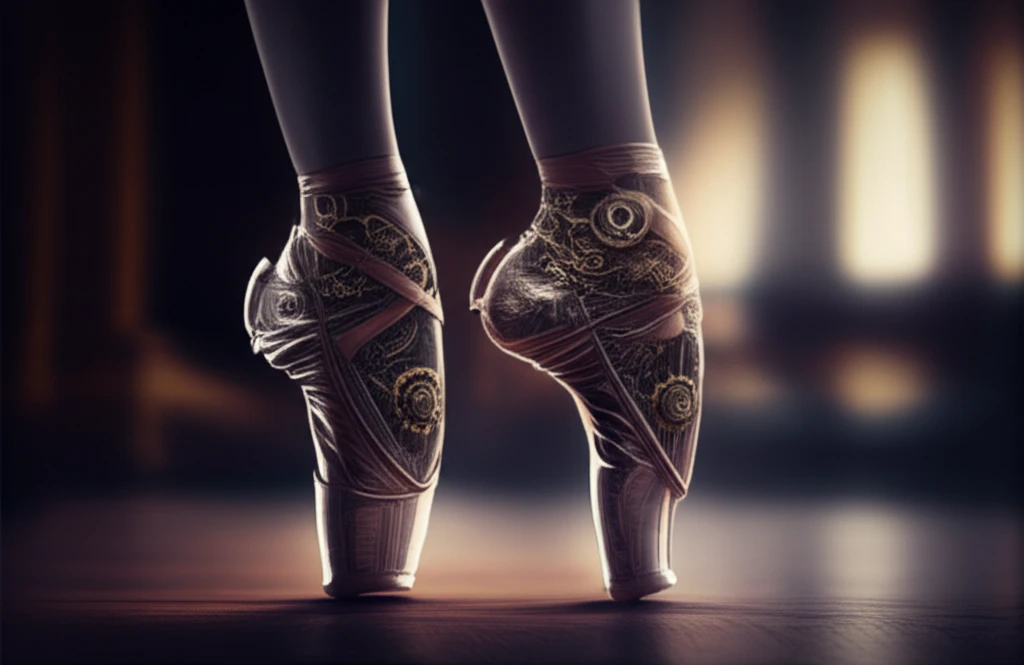
Dancing Without Pain: Treating Ankle Impingement and Tendon Issues in Dancers

"A Comprehensive Guide to Understanding, Treating, and Preventing Posterior Ankle Impingement Syndrome (PAIS) and Flexor Hallucis Longus (FHL) Tendinopathy in Dancers"
For dancers, the extreme positions required for pointe work and relevé can place significant stress on the ankle, leading to conditions like posterior ankle impingement syndrome (PAIS) and flexor hallucis longus tendinopathy (FHL), also known as "dancer's tendinitis." These conditions, whether occurring alone or together, can significantly impact a dancer's ability to perform.
A recent systematic review sought to evaluate the effectiveness of both conservative and surgical treatments for PAIS and FHL in dancers, while also exploring the historical context of dance medicine publications on this subject. This comprehensive analysis provides valuable insights for dancers, dance medicine professionals, and anyone involved in the care of these athletes.
This article breaks down the findings of that review, offering a clear understanding of the available treatment options, their success rates, and the factors that influence a dancer's return to pain-free performance. We'll also delve into the history of how these conditions have been understood and treated in the dance world.
Understanding PAIS and FHL in Dancers: Why Are Dancers at Risk?
Dancing demands extreme plantar flexion (pointing the toes), pushing the ankle joint to its limit. This repetitive stress, combined with the unique biomechanics of dance, makes dancers particularly susceptible to PAIS and FHL. Unlike other sports where plantar flexion might be sudden or brief, dance involves sustained, controlled, and weight-bearing plantar flexion.
- Repetitive Peak Stress: The extreme positions create repeated high stress on the bony structures at the back of the ankle.
- Weight-Bearing: In relevé and pointe, the ankle joint is fully weight-bearing at its end range of motion, maximizing the force transmitted through the bones.
- Unique Muscle Use: The calf muscles (triceps surae) constantly pull the heel upwards, contributing to impingement.
Moving Forward: Research and Improved Treatment Strategies
The systematic review highlights the need for more high-quality research to refine treatment strategies for PAIS and FHL in dancers. Existing studies are limited by their retrospective nature and lack of standardized outcome measures specific to dance.
Future research should focus on:
<ul><li><b>Prospective Studies:</b> Designing studies that follow dancers over time, tracking their progress with specific, dance-related outcome scores.</li><li><b>Comparative Trials:</b> Comparing different conservative and surgical treatment approaches to determine which are most effective.</li><li><b>Individualized Treatment:</b> Considering factors like dance style, level of participation, and specific anatomical variations to tailor treatment plans.</li></ul>