
Daily Life Notes: How to Boost Mental Health Support at Work

"Discover how daily life notes can revolutionize return-to-work strategies and enhance mental health support in occupational health practices."
Returning to work after a sick leave due to mental health issues can be a challenging transition for many. Relapses and recurrent leaves are common, highlighting the need for effective support systems. In Japan, like many other countries, there's been a growing emphasis on developing guidelines and tools to aid this process, particularly for occupational physicians (OPs) who play a crucial role in assessing a worker's readiness to return.
One such tool gaining traction is the self-reported daily life note (LN). These notes offer a structured way for workers to document their daily activities, providing valuable insights into their lifestyle and routines during sick leave. Factors like sleep patterns and daily habits, often disrupted during periods of mental health challenges, are key indicators of recovery and stability. By tracking these aspects, OPs can make more informed decisions about return-to-work (RTW) readiness.
This article delves into how LNs are used by OPs to support workers returning to their jobs after mental health-related sick leave. We'll explore the characteristics of OPs who use LNs, the criteria they prioritize, and the overall usefulness of this simple yet effective tool. By understanding these dynamics, we can better support individuals in their journey back to the workplace, promoting both their well-being and their long-term success.
What Are Daily Life Notes (LNs) and Why Are They Useful?
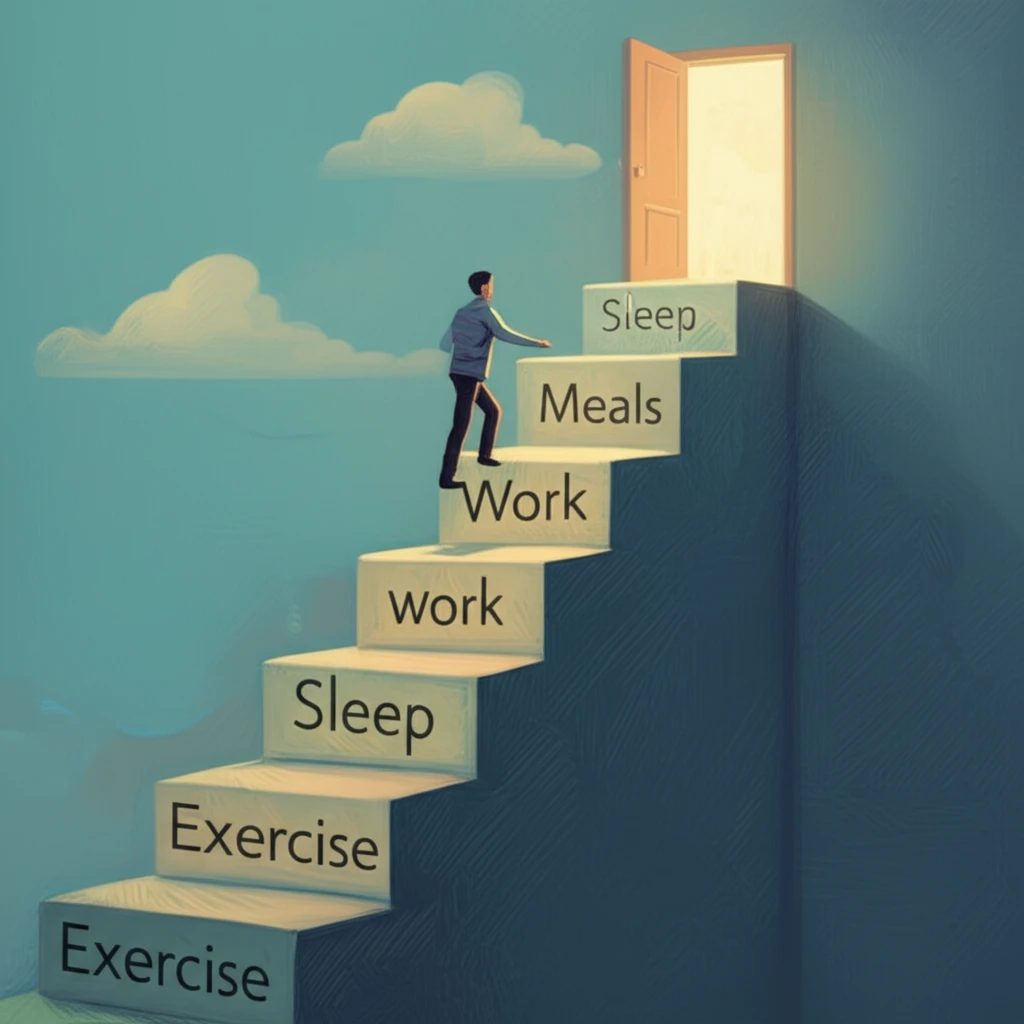
Daily life notes (LNs) are structured records that workers keep to document their daily activities and routines during sick leave. These notes typically include details about sleep patterns, meal times, exercise, and other daily habits. By providing a comprehensive overview of a worker's lifestyle, LNs help occupational physicians (OPs) assess their readiness to return to work, especially after a mental health-related absence.
- Improved Assessment: LNs offer a detailed view of a worker’s daily life, making it easier to evaluate their overall well-being and stability.
- Focus on Sleep: Regular sleep patterns are crucial for mental health. LNs help track sleep habits, allowing OPs to identify potential issues.
- Communication: LNs facilitate open communication between workers and OPs, fostering a collaborative approach to RTW planning.
- Early Intervention: By identifying potential red flags early on, OPs can intervene and provide additional support to prevent relapses.
Conclusion: Supporting Workers with Compassion and Insight
The use of daily life notes represents a practical step forward in supporting workers returning from sick leave due to mental health conditions. By focusing on key lifestyle factors and promoting open communication, OPs can make more informed decisions and provide tailored support. As awareness and understanding of mental health issues continue to grow, tools like LNs will play an increasingly important role in creating a supportive and inclusive work environment.