
CRP and Cancer: What Your Levels Reveal About Survival

"Unveiling the Connection: How C-Reactive Protein Levels Can Predict Outcomes in Metastatic Cancer Patients"
Cancer, a formidable adversary, continues to challenge medical science. While advancements in treatment have improved survival rates, the disease's complexity demands a deeper understanding of its mechanisms and predictive factors. This article delves into the critical role of C-reactive protein (CRP), an inflammation marker, in predicting the prognosis of patients with metastatic cancer. We will explore how CRP levels and their changes over time—known as kinetics—can provide essential insights into treatment outcomes.
Metastatic cancer, where the disease has spread beyond its initial site, presents unique challenges. The heterogeneity of the disease and the varying responses to treatment underscore the need for reliable biomarkers. This is where CRP steps in, offering a window into the body's inflammatory response and, consequently, the potential for predicting patient outcomes. The study, based on research involving metastatic nasopharyngeal carcinoma (mNPC) patients, highlights the predictive power of CRP in this context.
The information presented here is not a substitute for professional medical advice. Always consult with your healthcare provider for any health concerns or before making any decisions related to your treatment. This exploration is meant to inform and empower, providing a clearer picture of the role of CRP in cancer prognosis.
Decoding CRP: What It Is and Why It Matters in Cancer
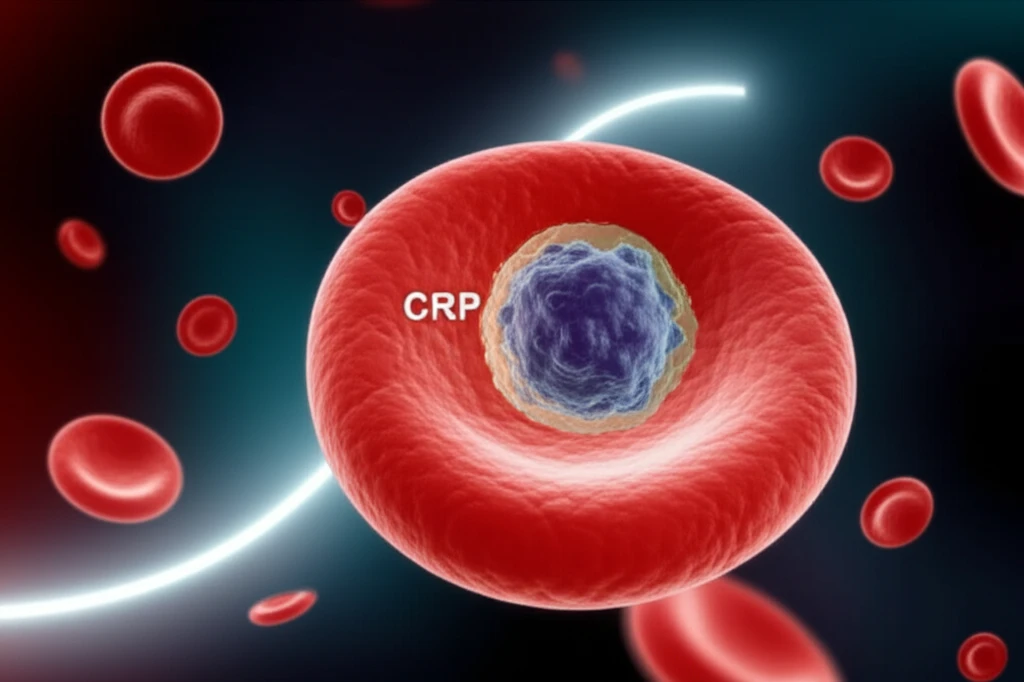
CRP, or C-reactive protein, is a protein produced by the liver in response to inflammation. It's a key player in the body's acute inflammatory response, increasing significantly during infections, injuries, and other inflammatory conditions. In the context of cancer, CRP levels often rise, reflecting the body's reaction to the tumor and the inflammatory processes it triggers. High CRP levels can indicate a more aggressive disease and a poorer prognosis.
- Baseline CRP Levels: The study found that patients with higher baseline CRP levels (3.4 mg/L or higher) had significantly worse survival rates compared to those with lower levels.
- CRP Kinetics: The changes in CRP levels during treatment were also critical. Patients were divided into groups based on their CRP levels and how they changed over time, revealing that patients with sustained high CRP levels had the poorest outcomes.
- Predictive Power: The results suggest that both baseline CRP levels and the way they change during treatment are useful predictors of prognosis in mNPC patients.
The Future of CRP in Cancer Care
The findings presented in this study open avenues for future research. Prospective studies are needed to validate the prognostic model and determine the role of CRP in guiding treatment decisions. As we continue to explore the complex relationship between inflammation and cancer, CRP may become an increasingly valuable tool in the fight against this devastating disease. Understanding the implications of CRP levels empowers patients and healthcare providers to make informed decisions, paving the way for more personalized and effective cancer care.