
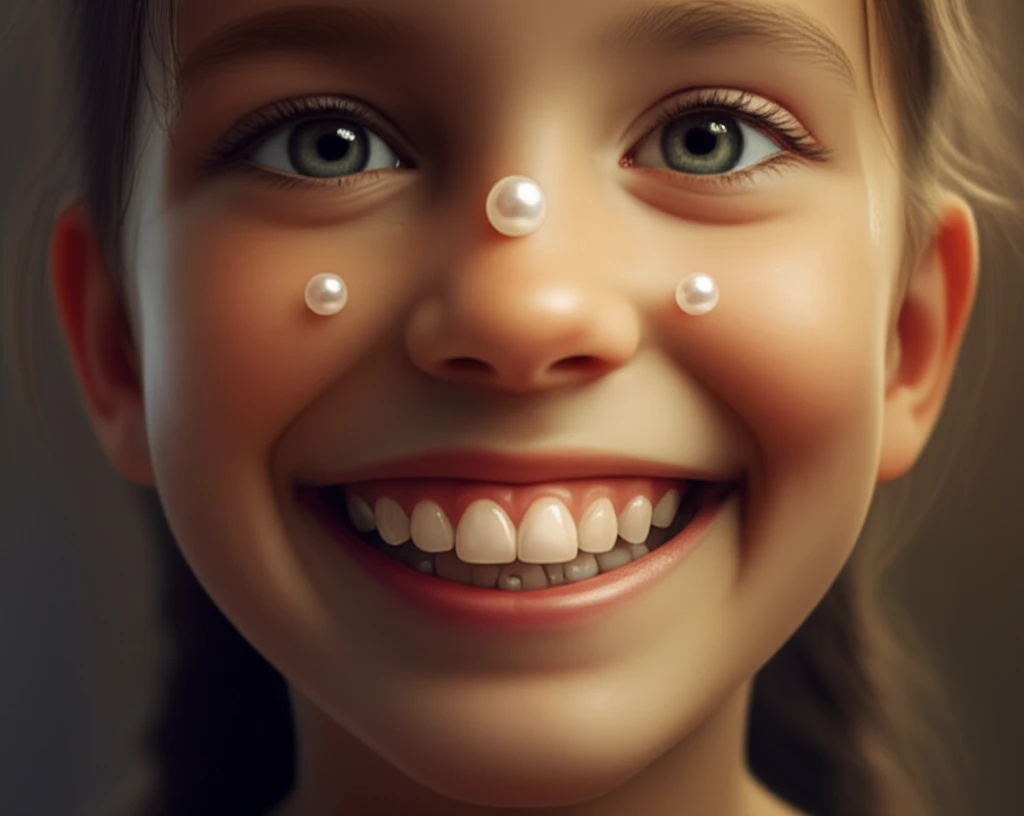
Illustration of teeth transforming into aligned pearls, symbolizing malocclusion treatment.

Crooked Smiles: What Every Parent Should Know About Malocclusion

"Early detection and intervention can make a world of difference for your child's dental health and overall well-being."


A child's smile is precious, yet sometimes teeth don't align as they should. Malocclusion, often referred to as "bad bite" or crooked teeth, affects many children and can impact their oral health, confidence, and even speech. Understanding this condition is the first step in ensuring your child receives the best possible care.

Malocclusion is more than just a cosmetic issue; it's a complex condition influenced by genetics, habits, and environmental factors. It’s ranked as the third greatest oral health problem worldwide, being outranked by caries and periodontal disease. Recognizing the signs early and seeking timely intervention can prevent more significant problems down the road.

This article dives into the world of malocclusion in children aged 7-12, drawing from a recent study conducted in Minas Gerais, Brazil. We’ll explore what the research reveals about the prevalence, types, and potential treatments for malocclusion, offering parents and caregivers practical knowledge to support their child’s dental health journey.

Understanding Malocclusion: Types, Causes, and What to Look For

Illustration of teeth transforming into aligned pearls, symbolizing malocclusion treatment.

Malocclusion refers to any deviation from the ideal alignment of teeth. It can manifest in various forms, impacting both the appearance and function of your child's smile. Here's a breakdown of the main types of malocclusion:

Malocclusion is broadly classified based on the relationship between the upper and lower dental arches. The most common classification, Angle’s classification, categorizes malocclusion into three main classes based on the position of the first molars:

  • Class I: The molars align normally, but there are issues like crowding, spacing, or rotation of other teeth.
  • Class II: The upper molars are positioned further forward than the lower molars, leading to an overbite.
  • Class III: The lower molars are positioned further forward than the upper molars, resulting in an underbite.
Beyond molar alignment, other factors contribute to malocclusion. These include:
  • Crowding: Teeth are too close together, leading to overlapping and crookedness.
  • Spacing (Diastemas): Gaps exist between teeth.
  • Overbite: The upper front teeth excessively overlap the lower front teeth.
  • Open Bite: The front teeth don't meet when the back teeth are closed.
  • Crossbite: Some upper teeth bite inside the lower teeth.

Taking Action: What's Next for Your Child's Smile?

If you suspect your child may have malocclusion, early intervention is key. Schedule a consultation with a pediatric dentist or orthodontist. They can assess your child’s specific needs, discuss treatment options, and create a personalized plan to help them achieve a healthy, confident smile. Remember, a proactive approach to dental health sets the stage for a lifetime of smiles.

About this Article -

This article was crafted using a human-AI hybrid and collaborative approach. AI assisted our team with initial drafting, research insights, identifying key questions, and image generation. Our human editors guided topic selection, defined the angle, structured the content, ensured factual accuracy and relevance, refined the tone, and conducted thorough editing to deliver helpful, high-quality information.See our About page for more information.

Everything You Need To Know

1

What exactly is malocclusion, and why should I be concerned about it for my child?

Malocclusion is any deviation from the ideal alignment of teeth. It's not just a cosmetic issue but a complex condition that can affect oral health, confidence, and even speech. It's significant because it's ranked as the third greatest oral health problem worldwide. Without intervention, malocclusion can lead to more significant problems.

2

What is Angle’s classification, and how does it relate to malocclusion?

Angle’s classification is a system used to categorize malocclusion based on the relationship between the upper and lower dental arches, specifically the position of the first molars. This is important because it helps dentists and orthodontists understand the specific type of malocclusion present, guiding them in developing appropriate treatment plans. The three main classes are Class I, where molars align normally but other teeth have issues; Class II, where upper molars are further forward, leading to an overbite; and Class III, where lower molars are further forward, causing an underbite.

3

Are there different kinds of malocclusion besides just how the molars line up?

Besides the molar alignment classifications of Angle’s classification, there are other specific types of malocclusion. These include crowding, where teeth are too close together; spacing or diastemas, where gaps exist between teeth; overbite, where upper front teeth excessively overlap lower front teeth; open bite, where front teeth don't meet when back teeth are closed; and crossbite, where some upper teeth bite inside the lower teeth. Recognizing these specific issues is crucial for comprehensive diagnosis and treatment planning.

4

If I think my child might have malocclusion, what should I do next?

Early intervention is key if you suspect your child has malocclusion because it can prevent more significant problems down the road. Scheduling a consultation with a pediatric dentist or orthodontist allows for an assessment of your child’s specific needs, discussion of treatment options, and creation of a personalized plan to achieve a healthy smile. A proactive approach sets the stage for a lifetime of good dental health.

5

What causes malocclusion in children?

The causes of malocclusion can be complex, involving a combination of genetics, habits, and environmental factors. Habits such as prolonged thumb sucking or using a pacifier can influence the development of malocclusion. While the causes are varied, understanding these factors helps in addressing and potentially mitigating the development of malocclusion in children.

Newsletter Subscribe

Subscribe to get the latest articles and insights directly in your inbox.